Course Introduction
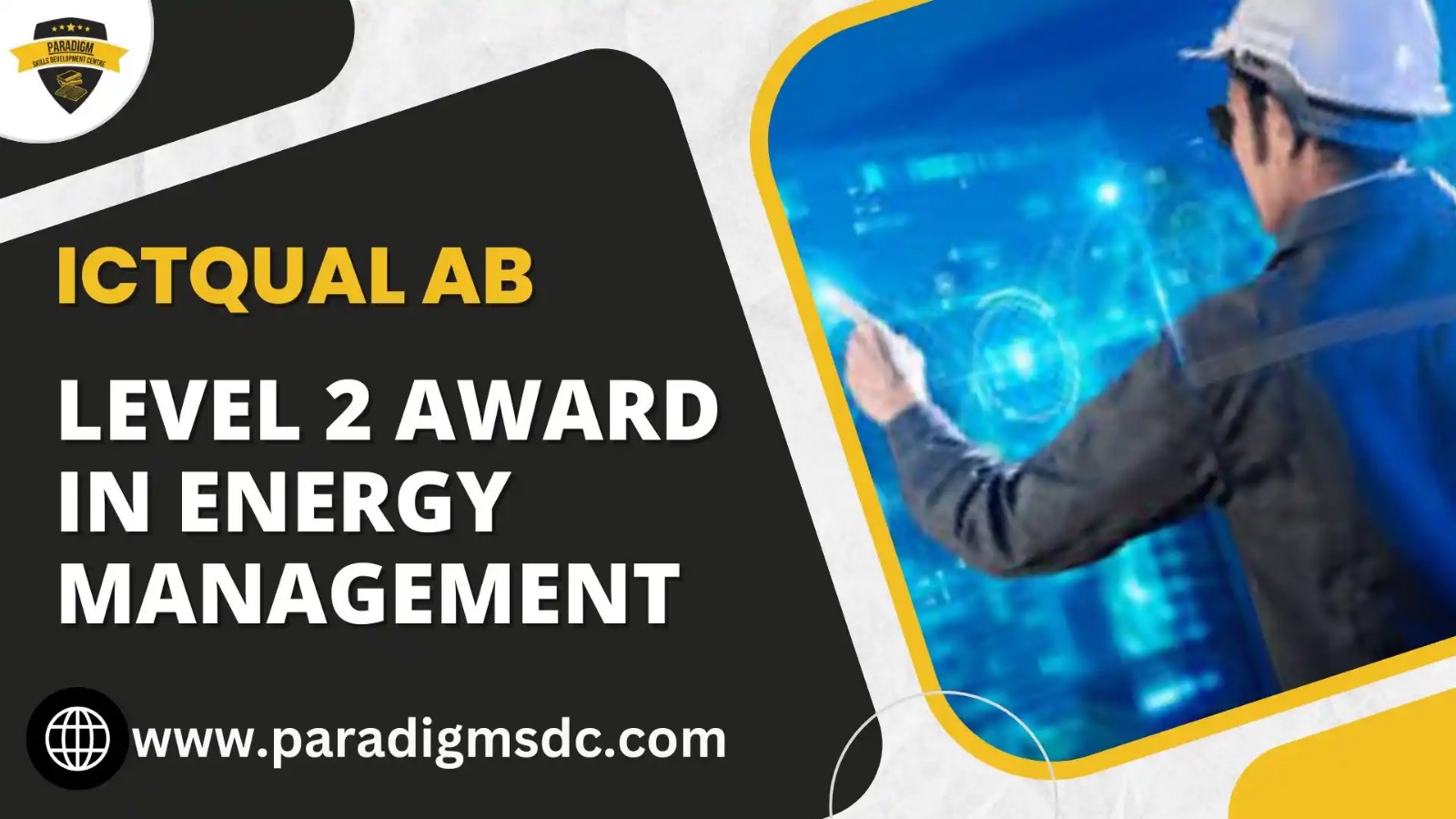
The ICTQual Level 2 Award in Energy Management offers a foundational understanding of energy management principles and practices. This course is designed to equip participants with essential knowledge and skills to begin their journey towards promoting energy efficiency and sustainability in various settings.
Course Overview
The ICTQual Level 2 Award in Energy Management provides a comprehensive overview of key concepts and practices related to energy management. Participants will explore fundamental topics such as energy sources, consumption patterns, energy efficiency measures, and the importance of sustainable energy practices. The course aims to empower individuals with practical insights that can be applied to reduce energy consumption and environmental impact.
Course Study Units
- Fundamentals of energy management
- Energy consumption awareness in the workplace
- Reducing energy consumption in the workplace
- Importance of collecting and managing energy data
- Energy consumption in buildings and processes
- How energy use equipment and systems operate
- Importance of energy audits and assessments in the workplace
- Legislative and regulatory requirements covering energy
- Importance of an organisation’s energy strategy, planning and policy
- Role of design, installation and commissioning of energy use equipment and systems
- Use of operational and maintenance controls to operate the energy use equipment and systems efficiently
Learning Outcomes
Upon completion of the ICTQual Level 2 Award in Energy Management, participants will:
Fundamentals of Energy Management
- Define the concept of energy.
- Identify various forms of energy.
- Define carbon emissions.
- Define energy management.
- Identify the significance of core energy management competencies, encompassing Technical and Operational skills, Energy Assessment and Measurement & Verification techniques, Behavioral Change and Motivation strategies, Regulatory and Legal Compliance, Carbon Management, Strategic Planning, Waste Management, Procurement, Transportation, Water, and ICT.
- Explain the responsibilities and functions of an energy manager.
- Describe the process of energy reporting.
- Explain how energy reporting contributes to the reduction of energy consumption.
Energy Consumption Awareness in the Workplace
- Describe the diverse applications of energy within the workplace.
- Elucidate the variations in energy usage concerning the equipment utilized in the workplace.
- Detail common inefficiencies in energy utilization within working environments.
- Outline methods for measuring energy consumption in the workplace.
- Discuss potential energy-saving practices that can be implemented to decrease energy consumption.
- Expound upon the organizational advantages resulting from reduced energy consumption.
Reducing Energy Consumption in the Workplace
- Identify opportunities for reducing energy consumption through efficiency improvements and behavioral changes.
- Implement energy-saving measures and best practices within the workplace.
- Monitor and evaluate the effectiveness of energy reduction initiatives.
- Collaborate with colleagues and stakeholders to promote a culture of energy conservation.
Importance of Collecting and Managing Energy Data
- Describe sources for obtaining energy data.
- Explain the process of gathering energy data.
- Recognize various types of meters.
- Identify unique identifiers for meters.
- Discuss the components of an energy bill, including meter-specific details.
- Outline different methods for collecting energy data.
Importance of Energy Audits and Assessments in the Workplace
- Outline the structure for conducting energy audits.
- Discuss different methodologies for conducting energy assessments.
- Illustrate the significance of energy audits and assessments in identifying opportunities for enhancing energy efficiency.
Legislative and Regulatory Requirements Covering Energy
- Identify existing legislation aimed at decreasing energy consumption and reducing carbon emissions.
Importance of an Organization’s Energy Strategy, Planning, and Policy:
- Describe the significance of an organization’s energy strategy, planning, and policy.
- Summarize an organization’s energy goals and targets.
- Recognize the advantages of implementing an organization’s energy strategy, planning, and policy.
- Identify worldwide energy trends and their implications for organizational settings.
Energy consumption in buildings and processes:
- Identify various energy sources within a building or process.
- Recognize the methods of energy distribution from the source to users within a building or process, such as through electric cables, pipes, ducts, etc.
- Analyze data to identify the primary energy-consuming equipment and systems.
- Develop a profile illustrating energy consumption within a building or process.
- Identify key mechanisms for energy gain, loss, and potential recovery (e.g., electricity and heat) within a building or process
Energy consumption in buildings and processes:
- Identify diverse energy sources utilized within a building or process.
- Recognize the pathways through which energy is distributed from its source to users within a building or process, including electric cables, pipes, ducts, etc.
- Analyze available data to pinpoint the primary energy-consuming equipment and systems.
- Develop a comprehensive profile depicting energy consumption patterns within a building or process.
- Identify critical mechanisms involved in the acquisition, loss, and potential recovery of energy (both electricity and heat) within a building or process.
Role of design, installation and commissioning of energy use equipment and systems
- Explain the interrelation between the energy consumption of one piece of equipment and its impact on the energy usage of other equipment.
- Highlight the significance of design, installation, and commissioning in influencing the anticipated operational lifespan of energy-consuming equipment and systems.
- Detail the specifications and installation criteria necessary for energy-efficient equipment design.
- Discuss methodologies employed to verify that energy-consuming equipment and systems are installed, tested, and commissioned in accordance with energy-efficient design standards.
Use of operational and maintenance controls to operate the energy use equipment and systems efficiently
- Highlight the significance of operational and maintenance controls in prolonging the intended lifespan of energy-consuming equipment and systems.
- Identify resources for obtaining information regarding operational and maintenance controls for energy-consuming equipment and systems.
- Specify the operational and maintenance criteria necessary for enhancing energy efficiency in equipment and systems, including start-up and shutdown procedures, aligning energy demand with supply, scheduling techniques, operational procedures, maintenance protocols, etc.
Course Benefits
- Foundational Knowledge: Acquire essential skills and knowledge to begin a career in energy management.
- Practical Application: Apply theoretical concepts to real-world energy challenges.
- Career Enhancement: Enhance career prospects in sectors focused on sustainability and environmental management.
- Cost Savings: Implement energy efficiency measures that lead to reduced operational costs.
- Environmental Impact: Contribute to environmental conservation and sustainability goals.
Who is this Course For?
This course is ideal for:
- Entry-level professionals interested in starting a career in energy management.
- Employees in organizations looking to enhance their understanding of energy efficiency.
- Individuals seeking to promote sustainable practices in their workplaces or communities.
- Students and graduates pursuing studies in environmental science, engineering, or related fields.
- Anyone passionate about conserving energy and reducing environmental impact.
Future Progression
Upon completing the ICTQual Level 2 Award in Energy Management, participants can explore various pathways for career advancement and further education, including:
- Advanced certifications in energy management or sustainability.
- Specialized roles in energy auditing, renewable energy projects, or environmental consultancy.
- Higher-level qualifications such as diplomas or degrees in environmental management or energy engineering.
- Leadership positions in organizations committed to sustainable development and corporate social responsibility.
Investing in the ICTQual Level 2 Award in Energy Management provides a solid foundation for individuals looking to make a positive impact on energy use and environmental sustainability. By acquiring fundamental skills and knowledge, graduates can contribute effectively to energy management efforts and advocate for sustainable practices in their professional and personal endeavors.