Course Introduction
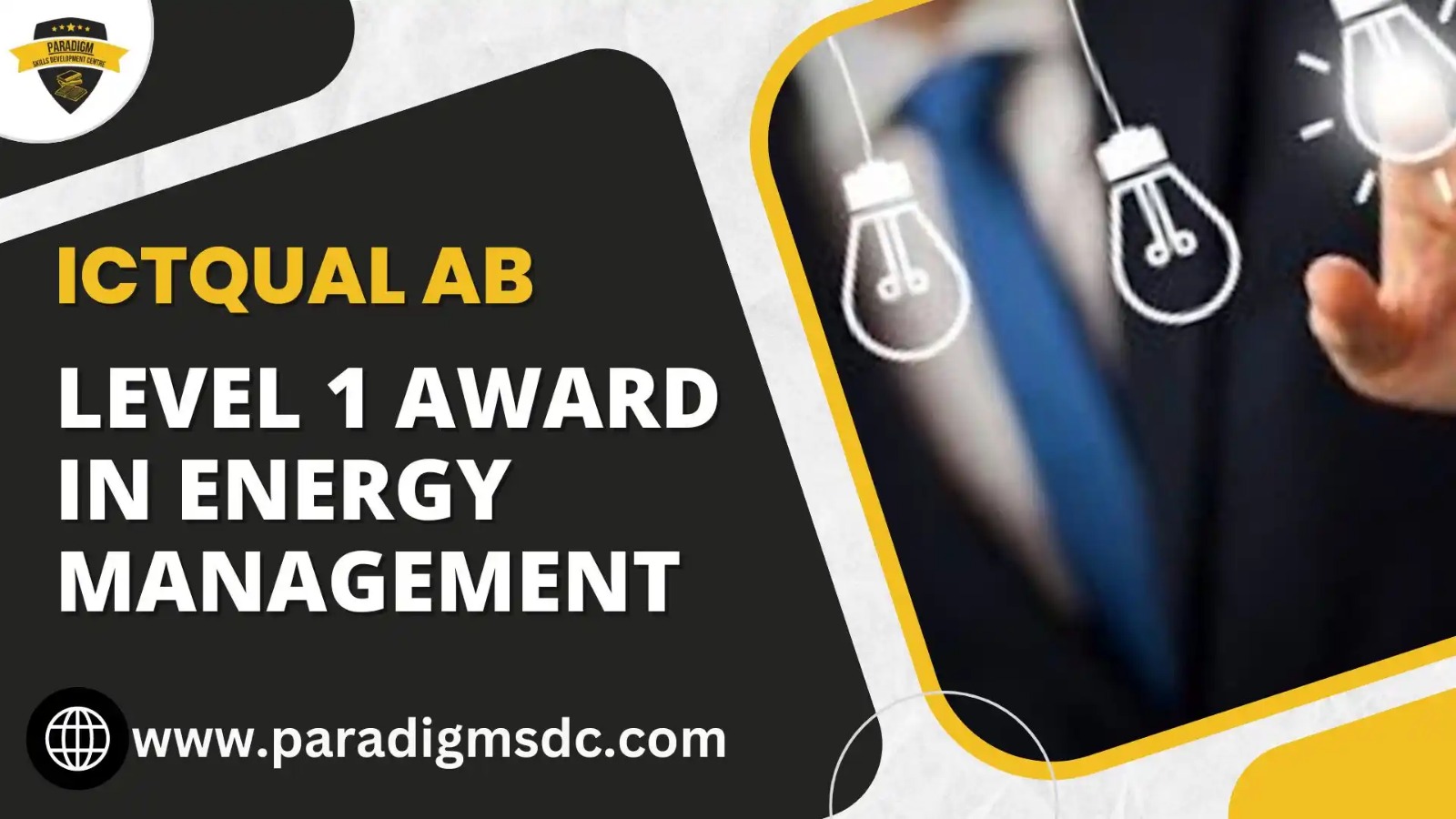
The ICTQual Level 1 Award in Energy Management introduces participants to the fundamental concepts of energy management, equipping them with essential knowledge to understand and contribute to sustainable energy practices. This entry-level course provides a solid foundation for individuals interested in exploring energy management as a career or integrating energy efficiency into their professional roles.
Course Overview
The ICTQual Level 1 Award in Energy Management offers a concise overview of key topics related to energy management. Participants will explore basic principles of energy efficiency, renewable energy sources, and the importance of reducing energy consumption. The course emphasizes practical applications and introduces participants to industry standards and best practices in energy management.
Course Study Units
- Fundamentals of energy management
- Energy consumption awareness in the workplace
- Reducing energy consumption in the workplace
- Importance of collecting and managing energy data
- Importance of energy audits and assessments in the workplace
- Legislative and regulatory requirements covering energy
- Importance of an organisation’s energy strategy, planning and policy
Learning Outcomes
Upon completion of the ICTQual Level 1 Award in Energy Management, participants will:
Fundamentals of Energy Management
- Understand the basic principles and concepts of energy management.
- Identify different sources of energy and their usage in various workplace settings.
- Explain the importance of energy efficiency and conservation in the workplace.
- Recognize the economic, environmental, and social benefits associated with effective energy management practices.
Energy Consumption Awareness in the Workplace
- Develop awareness of energy consumption patterns and trends within the workplace.
- Identify factors contributing to energy consumption, including equipment usage and operational practices.
- Analyze energy consumption data to identify areas for improvement and optimization.
- Propose strategies for raising awareness among colleagues and stakeholders about energy conservation measures.
Reducing Energy Consumption in the Workplace
- Identify opportunities for reducing energy consumption through efficiency improvements and behavioral changes.
- Implement energy-saving measures and best practices within the workplace.
- Monitor and evaluate the effectiveness of energy reduction initiatives.
- Collaborate with colleagues and stakeholders to promote a culture of energy conservation.
Importance of Collecting and Managing Energy Data
- Understand the significance of collecting and managing energy data for informed decision-making.
- Utilize tools and techniques for gathering accurate energy consumption data.
- Organize and analyze energy data to identify trends, anomalies, and areas for improvement.
- Communicate findings effectively to support energy management strategies and initiatives.
Importance of Energy Audits and Assessments in the Workplace
- Recognize the importance of conducting energy audits and assessments to identify energy-saving opportunities.
- Conduct basic energy audits and assessments within the workplace.
- Analyze audit findings to prioritize energy efficiency measures and investments.
- Develop action plans based on audit recommendations to improve energy performance.
Legislative and Regulatory Requirements Covering Energy
- Understand relevant legislation and regulations pertaining to energy management in the workplace.
- Ensure compliance with legal requirements related to energy efficiency, emissions, and reporting.
- Identify potential penalties or consequences for non-compliance with energy-related regulations.
- Advocate for adherence to legislative requirements and promote a culture of legal compliance within the organization.
Importance of an Organization’s Energy Strategy, Planning, and Policy:
- Understand the role of energy strategy, planning, and policy in achieving organizational goals and objectives.
- Participate in the development of an organization’s energy strategy, planning, and policy.
- Align energy management efforts with broader organizational strategies and priorities.
- Advocate for the integration of energy considerations into strategic decision-making processes and business operations.
Course Benefits
- Foundational Knowledge: Gain a solid understanding of energy management principles and practices.
- Practical Skills: Acquire practical skills to implement energy-saving measures.
- Career Enhancement: Enhance career prospects in sectors prioritizing sustainability and energy efficiency.
- Personal Impact: Contribute to environmental conservation efforts through energy-conscious behavior.
- Awareness: Develop awareness of energy regulations and compliance standards.
Who is this Course For?
The ICTQual Level 1 Award in Energy Management is ideal for:
- Individuals interested in starting a career in energy management or sustainability.
- Professionals seeking to integrate energy efficiency practices into their current roles.
- Students and graduates exploring opportunities in environmental science or engineering.
- Homeowners and renters interested in reducing their energy footprint.
- Anyone passionate about contributing to global efforts towards energy conservation.
Future Progression
Upon completing the ICTQual Level 1 Award in Energy Management, participants can pursue various pathways for further education and career development, including:
- Advanced certifications in energy management or sustainability.
- Specialized training in renewable energy technologies or energy auditing.
- Entry-level roles in energy consultancy, environmental management, or policy development.
- Continuing education in environmental science, engineering, or related disciplines.
Investing in the ICTQual Level 1 Award in Energy Management provides a foundational step towards understanding and implementing sustainable energy practices. Participants emerge with the knowledge and skills to make informed decisions about energy consumption and contribute positively to environmental stewardship in their communities and workplaces.