Course Introduction
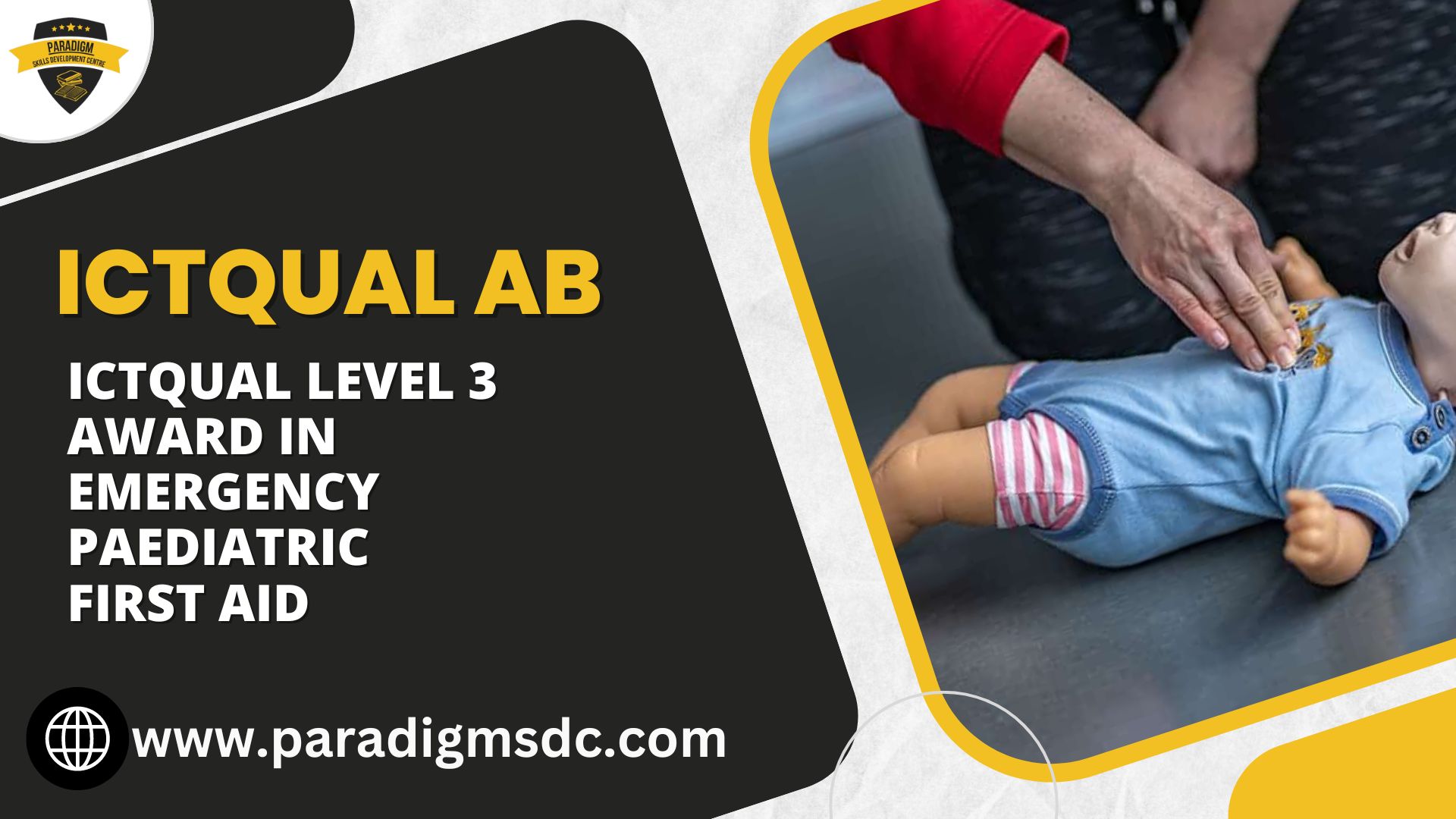
The ICTQual Level 3 Award in Emergency Paediatric First Aid is designed to equip individuals with essential skills and knowledge to respond to emergency situations involving children and infants. This course is particularly valuable for those working in environments where they may need to provide first aid to young children, ensuring their safety and well-being in critical moments.
Course Overview
This comprehensive course covers a range of emergency scenarios, focusing on the specific needs of children and infants. Participants will learn how to assess situations quickly and provide effective first aid until professional medical help arrives. The training is practical, hands-on, and aligned with the latest first aid guidelines.
Course Study Units
- Understanding the Role and Responsibilities of the Paediatric First Aider
- Assessing an Emergency Situation Safely
- Providing First Aid for an Unresponsive Infant or Child
- Managing a Choking Child or Infant
- Dealing with Wounds and Bleeding
- Responding to Shock
- Managing Fractures, Dislocations, and Head Injuries
- Dealing with Chronic Medical Conditions and Sudden Illnesses
- Responding to Allergic Reactions and Anaphylaxis
- Handling Burns and Scalds
Learning Outcomes
By the end of this course, participants will:
Understanding the Role and Responsibilities of the Paediatric First Aider
- Identify the key responsibilities of a paediatric first aider.
- Understand the legal framework surrounding first aid, including health and safety requirements.
- Demonstrate knowledge of infection control procedures to prevent the spread of infection during first aid.
2. Assessing an Emergency Situation Safely
- Conduct a thorough scene assessment to ensure safety for both the first aider and the child.
- Perform a primary survey (DRABC – Danger, Response, Airway, Breathing, Circulation) to quickly assess the child’s condition.
- Prioritize actions based on the assessment to provide effective first aid.
3. Providing First Aid for an Unresponsive Infant or Child
- Perform cardiopulmonary resuscitation (CPR) correctly on infants and children.
- Use an automated external defibrillator (AED) safely and effectively on children.
- Understand the importance of maintaining an open airway and providing rescue breaths.
4. Managing a Choking Child or Infant
- Recognize signs of partial and complete airway obstruction.
- Perform appropriate first aid techniques for choking, including back blows, chest thrusts (for infants), and abdominal thrusts (for children).
- Evaluate the effectiveness of the intervention and adjust as necessary.
5. Dealing with Wounds and Bleeding
- Identify different types of wounds and their severity.
- Apply effective techniques to control bleeding, including applying pressure and using dressings.
- Provide appropriate care for minor and severe bleeding incidents.
6. Responding to Shock
- Recognize the signs and symptoms of various types of shock (e.g., hypovolemic, anaphylactic, septic).
- Understand the causes of shock and how they affect the body.
- Provide first aid to stabilize a child experiencing shock until professional help arrives.
7. Managing Fractures, Dislocations, and Head Injuries
- Identify signs and symptoms of fractures, dislocations, and head injuries.
- Provide initial care to prevent further injury.
- Understand when to seek professional medical help and how to immobilize the injured area.
8. Dealing with Chronic Medical Conditions and Sudden Illnesses
- Recognize signs and symptoms of chronic medical conditions such as asthma and diabetes.
- Provide appropriate first aid for asthma attacks and diabetic emergencies.
- Manage sudden illnesses, such as seizures, by providing immediate care and support.
9. Responding to Allergic Reactions and Anaphylaxis
- Identify mild to severe allergic reactions and their symptoms.
- Use an adrenaline auto-injector (e.g., EpiPen) correctly to treat anaphylaxis.
- Provide ongoing care to a child experiencing an allergic reaction until professional help arrives.
10. Handling Burns and Scalds
- Understand different types of burns (thermal, chemical, electrical) and their severity.
- Provide immediate care for burns and scalds to minimize damage and pain.
- Use appropriate first aid techniques, such as cooling the burn and covering it with a sterile dressing.
Course Benefits
- Practical Skills: Gain hands-on experience with practical first aid techniques.
- Confidence: Build the confidence to act swiftly and effectively in emergencies.
- Certification: Receive a Level 3 Award in Emergency Paediatric First Aid, enhancing your professional qualifications.
- Compliance: Meet legal and regulatory requirements for childcare settings.
- Peace of Mind: Ensure the safety and well-being of children in your care.
Who Is This Course For?
- Childcare Providers: Ideal for nursery workers, nannies, and childminders.
- Teachers and School Staff: Essential for those working in educational settings.
- Parents and Guardians: Valuable for parents who want to be prepared for emergencies.
- Youth Group Leaders: Beneficial for those leading youth activities and camps.
- Healthcare Professionals: Useful for healthcare workers specializing in paediatrics.
Future Progression
Upon completing the ICTQual Level 3 Award in Emergency Paediatric First Aid, participants can further their skills and knowledge through additional qualifications, such as:
- ICTQual Level 3 Diploma in Paediatric First Aid: A more in-depth course covering advanced first aid topics.
- ICTQual Level 4 Award in Managing Paediatric Emergencies: Focuses on leadership and management of emergency situations.
- ICTQual Level 3 Award in Health and Safety in the Workplace: Broaden your understanding of health and safety protocols.
Enhancing your first aid skills not only contributes to a safer environment for children but also opens up new career opportunities and professional growth.