Course Introduction
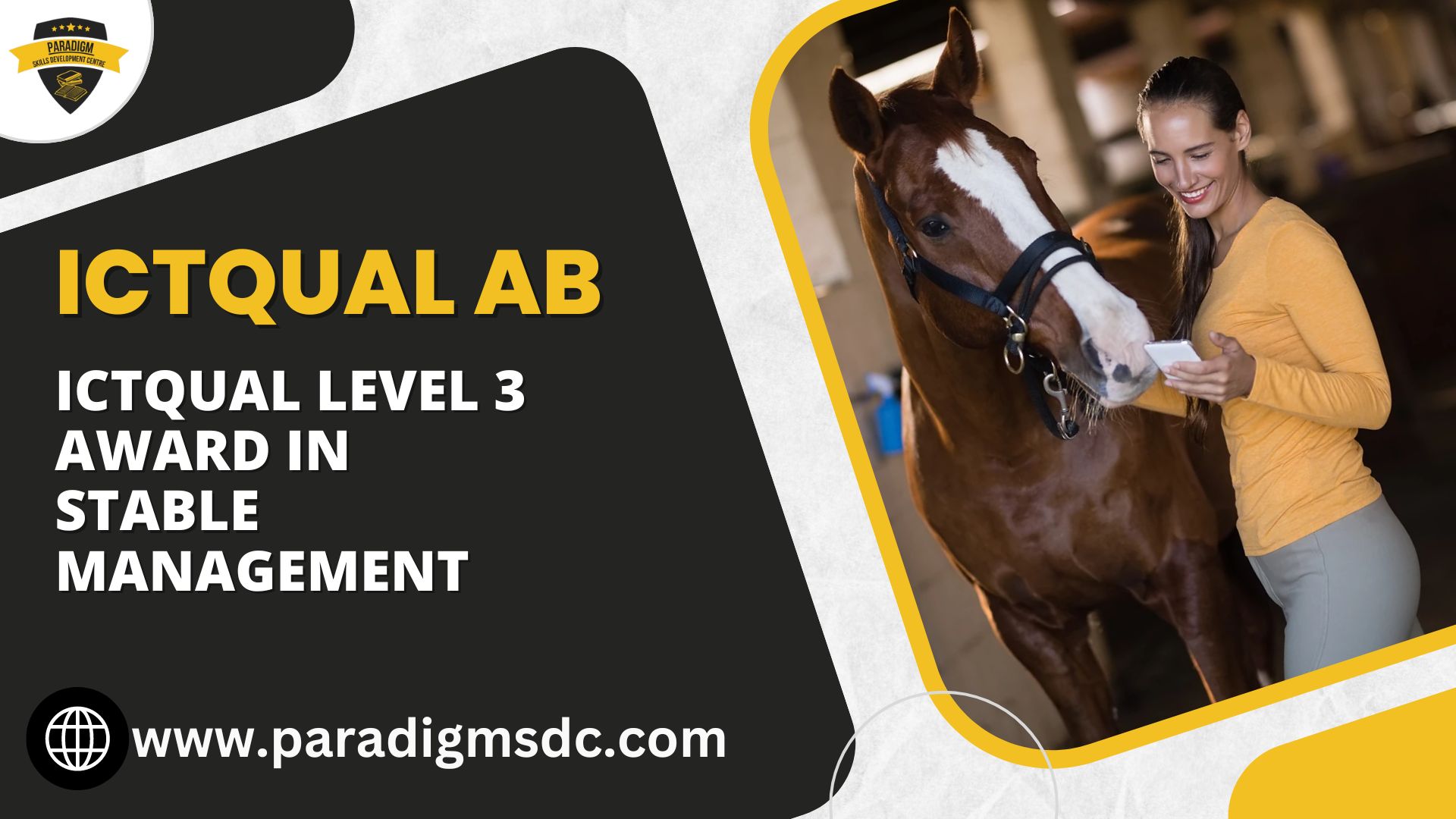
The ICTQual Level 3 Award in Stable Management is designed for those looking to enhance their knowledge and skills in managing equestrian facilities. This comprehensive course offers in-depth insights into the daily operations, health, and well-being of horses, ensuring that participants are well-equipped to handle the responsibilities of stable management effectively.
Course Overview
This course provides a detailed exploration of stable management, covering essential aspects such as horse care, facility maintenance, and administrative duties. It blends theoretical knowledge with practical skills, ensuring that learners can apply what they have learned in real-world settings. Whether you are an aspiring stable manager or looking to advance in your equestrian career, this course offers the foundational and advanced knowledge required for success.
Course Study Units
- Equine Anatomy and Physiology
- Stable Management Practices
- Healthcare and Veterinary Care
- Equine Behavior and Handling
- Nutrition and Feeding Management
- Exercise and Fitness Programs
- Equine Business Management
- Equine Welfare and Ethics
Learning Outcomes
Upon completing the ICTQual Level 3 Award in Stable Management, participants will be able to:
- Equine Anatomy and Physiology:
- Understand the anatomical structure and physiological functions of horses, including skeletal, muscular, circulatory, respiratory, and digestive systems.
- Apply knowledge of equine anatomy and physiology to identify normal and abnormal physical characteristics, assess health status, and understand the impact of exercise and nutrition on overall horse health.
- Stable Management Practices:
- Demonstrate proficiency in essential stable management tasks, such as feeding and watering, stall cleaning, grooming, and tack maintenance.
- Implement effective stable hygiene practices, safety protocols, and facility maintenance routines to create a clean, safe, and comfortable environment for horses and handlers.
- Healthcare and Veterinary Care:
- Identify common equine health issues, signs of illness or injury, and preventive care measures.
- Develop skills in basic first aid, wound management, and administering medications or treatments under veterinary guidance to promote horse health and well-being.
- Equine Behavior and Handling:
- Interpret equine body language, social behaviors, and communication cues to understand horse behavior and develop positive interactions.
- Apply safe and effective handling techniques, leading practices, and behavior modification strategies to build trust, manage behavior, and enhance the human-horse relationship.
- Nutrition and Feeding Management:
- Evaluate equine nutritional requirements based on age, breed, activity level, and health status.
- Design and implement balanced feeding programs, selecting appropriate feed types, supplements, and feeding schedules to support optimal health, growth, and performance in horses.
- Exercise and Fitness Programs:
- Develop exercise and fitness plans tailored to individual horse needs, goals, and disciplines.
- Monitor and adjust exercise regimes, incorporating principles of conditioning, training progression, and recovery to optimize physical fitness, strength, and endurance in horses.
- Equine Business Management:
- Apply principles of business management to equine operations, including financial planning, budgeting, marketing, and customer relations.
- Develop strategies for effective facility management, resource allocation, and risk management to ensure the success and sustainability of equine businesses.
- Equine Welfare and Ethics:
- Identify ethical considerations and best practices for promoting the welfare, humane treatment, and ethical handling of horses.
- Advocate for industry standards, regulations, and policies that prioritize horse welfare and align with ethical principles in all aspects of equine care, management, and use.
By achieving these learning outcomes, participants will develop a comprehensive understanding of equine care, management, and business practices, preparing them for roles in the equine industry or further studies in equine science, veterinary medicine, or related fields.
Course Benefits
- Enhanced Knowledge: Gain a deep understanding of stable management principles and practices.
- Practical Skills: Develop hands-on skills that can be applied in real-world stable environments.
- Career Advancement: Enhance your qualifications and open up new career opportunities in the equestrian industry.
- Professional Network: Connect with industry professionals and peers, expanding your professional network.
- Certification: Obtain a recognized qualification that validates your skills and knowledge in stable management.
Who is this Course For?
- Aspiring Stable Managers: Individuals looking to start a career in stable management.
- Current Stable Managers: Professionals seeking to enhance their skills and knowledge.
- Equestrian Enthusiasts: Horse owners and enthusiasts aiming to improve their horse care and stable management capabilities.
- Veterinary Assistants: Individuals working in veterinary settings who wish to gain specialized knowledge in equine care.
Future Progression
Upon completing the ICTQual Level 3 Award in Stable Management, participants can pursue further qualifications and career opportunities, such as:
- Advanced Diplomas: Enroll in higher-level courses and diplomas in equine management and related fields.
- Specialist Training: Pursue specialized training in areas such as equine nutrition, physiotherapy, or breeding.
- Career Opportunities: Explore career options as a head groom, stable manager, or equine facility manager in various settings including private stables, riding schools, and equestrian centers.
- Continued Education: Engage in continuous professional development through workshops, seminars, and industry conferences.
The ICTQual Level 3 Award in Stable Management is a gateway to a fulfilling career in the equestrian industry, providing the skills and knowledge needed to excel in this rewarding field. Enroll today and take the first step towards becoming a proficient and effective stable manager.