Course Introduction
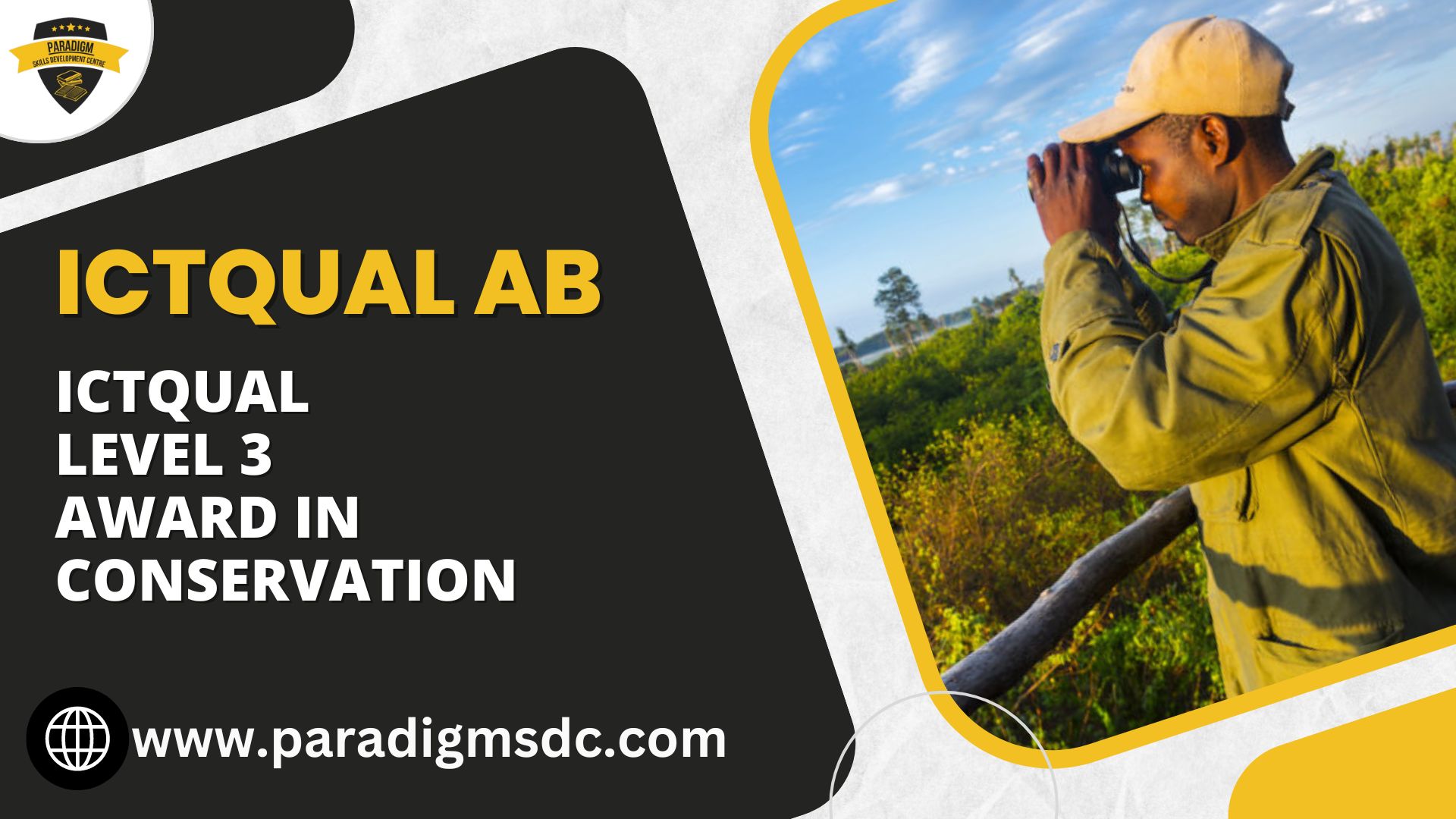
The ICTQual Level 3 Award in Conservation is designed to equip participants with comprehensive knowledge and practical skills in conservation practices. Aimed at individuals passionate about environmental sustainability and conservation efforts, this course provides a thorough understanding of conservation principles and practices.
Course Overview
Participants will delve into various aspects of conservation, including biodiversity management, habitat restoration, sustainable resource use, and environmental policy. Through a blend of theoretical learning and practical application, students gain insights into current conservation challenges and effective strategies for mitigating environmental impact.
Course Study Units
- Fundamentals of Conservation Biology
- Wildlife Conservation and Management
- Ecosystem Restoration and Rehabilitation
- Conservation Policy and Governance
- Community-Based Conservation
- Climate Change and Conservation
- Field Methods and Research Techniques
Learning Outcomes
By the end of the course, participants will:
- Fundamentals of Conservation Biology
- Understand the basic principles and concepts of conservation biology, including biodiversity, ecological processes, and the factors influencing species extinction and endangerment.
- Analyze the importance of genetic diversity, species richness, and ecosystem resilience in conservation efforts.
- Apply ecological theories and frameworks to assess the health and status of ecosystems and develop conservation strategies.
- Wildlife Conservation and Management
- Identify key threats to wildlife populations and habitats and evaluate strategies for their conservation and management.
- Apply principles of population ecology and wildlife biology to design effective conservation plans and habitat management programs.
- Assess the effectiveness of protected area management, wildlife reserves, and species recovery initiatives in safeguarding biodiversity.
- Ecosystem Restoration and Rehabilitation
- Evaluate the principles and techniques of ecosystem restoration and rehabilitation for degraded habitats and ecosystems.
- Design and implement restoration projects aimed at enhancing ecosystem structure, function, and resilience.
- Monitor and assess the success of restoration efforts in promoting biodiversity conservation, ecosystem services, and habitat connectivity.
- Conservation Policy and Governance
- Analyze the role of policy frameworks, legislation, and international agreements in shaping conservation policy and governance.
- Assess the effectiveness of conservation policies and regulations in achieving biodiversity conservation goals and sustainable resource management.
- Advocate for evidence-based conservation policies and participatory decision-making processes that incorporate stakeholder perspectives and promote conservation outcomes.
- Community-Based Conservation
- Understand the principles of community-based conservation and participatory approaches to natural resource management.
- Engage with local communities, indigenous peoples, and stakeholders to build partnerships and collaborate on conservation initiatives.
- Evaluate the social, cultural, and economic dimensions of community-based conservation projects and their contributions to biodiversity conservation and sustainable livelihoods.
- Climate Change and Conservation
- Assess the impacts of climate change on biodiversity, ecosystems, and conservation efforts.
- Develop adaptation strategies and mitigation measures to address climate change impacts on species, habitats, and ecosystems.
- Advocate for climate-smart conservation practices and policies that enhance ecosystem resilience and support biodiversity conservation in a changing climate.
- Field Methods and Research Techniques
- Acquire practical skills in field methods and research techniques used in conservation biology, including species surveys, habitat assessments, and data collection.
- Apply scientific principles and ethical considerations to conduct field research and monitor biodiversity.
- Interpret and analyze field data to assess ecological patterns, evaluate conservation interventions, and inform decision-making processes.
These learning outcomes equip participants with the knowledge, skills, and tools needed to address conservation challenges, promote biodiversity conservation, and contribute to sustainable management of natural resources and ecosystems.
Course Benefits
- Practical Skills: Gain hands-on experience through fieldwork and practical exercises.
- Expert Guidance: Learn from industry experts and conservation practitioners.
- Networking Opportunities: Connect with professionals in the conservation sector.
- Career Advancement: Enhance career prospects in environmental organizations, conservation agencies, and governmental bodies.
Who Is This Course For?
This course is ideal for:
- Environmental enthusiasts looking to specialize in conservation.
- Professionals working in conservation-related fields seeking advanced knowledge.
- Individuals aspiring to contribute effectively to sustainable development goals.
Future Progression
Upon completion of the Level 3 Award, participants can pursue:
- Higher Qualifications: Progress to higher-level ICTQual qualifications in environmental management or sustainability.
- Career Advancement: Explore managerial roles in conservation organizations or environmental consultancy firms.
- Continued Learning: Engage in ongoing professional development through workshops, seminars, and specialized training.
Conclusion
The ICTQual Level 3 Award in Conservation offers a comprehensive pathway for individuals committed to making a positive impact on the environment. With a blend of theoretical knowledge and practical skills, participants are well-equipped to tackle the complex challenges of conservation and drive sustainable practices forward. Whether aiming to enhance current skills or embark on a new career path, this course provides invaluable insights and opportunities in the field of conservation.