Course Introduction
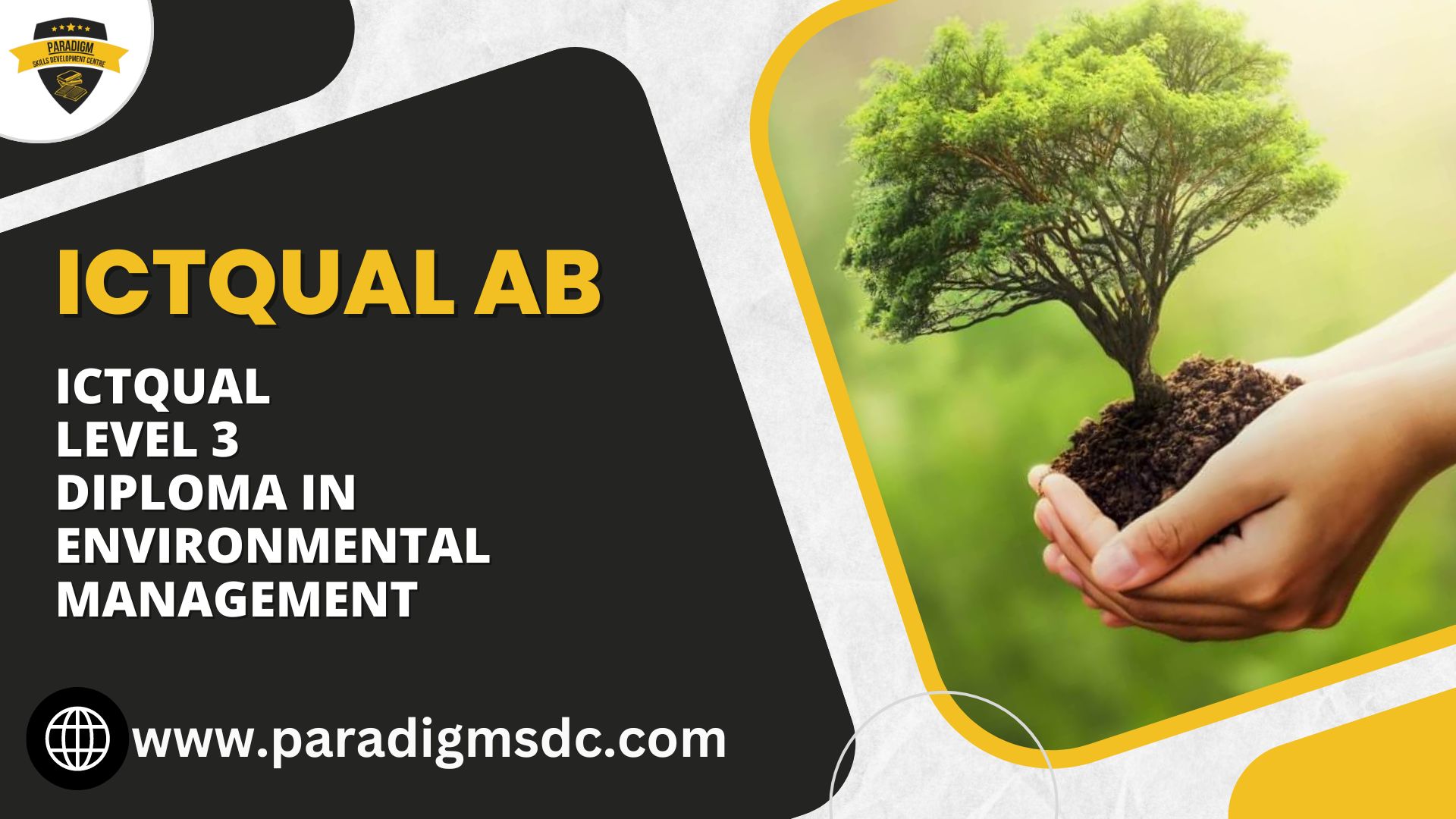
The ICTQual Level 3 Diploma in Environmental Management is designed for individuals looking to deepen their understanding of environmental issues and management practices. This diploma provides comprehensive training and knowledge essential for effective environmental management in various sectors.
Course Overview
This diploma course covers a wide range of topics essential for environmental management professionals. It combines theoretical knowledge with practical skills to ensure graduates are equipped to tackle contemporary environmental challenges.
Course Study Units
The study units typically include:
- Introduction to Environmental Management
- Environmental Policy and Legislation
- Sustainable Development
- Waste Management
- Renewable Energy
- Conservation and Biodiversity
- Environmental Impact Assessment (EIA)
- Environmental Risk Management
- Water Resource Management
- Climate Change and Its Impacts
- Environmental Economics
Learning Outcomes
Upon completion of the course, participants will:
Introduction to Environmental Management
- Understand fundamental concepts: Grasp the basic principles and concepts of environmental science and management.
- Identify key environmental issues: Recognize and describe major environmental problems and their global significance.
- Explain the evolution of environmental management: Trace the history and development of environmental management practices.
2. Environmental Policy and Legislation
- Understand environmental laws: Comprehend the structure and function of international and national environmental policies and legislation.
- Conduct environmental impact assessments: Perform and understand the steps involved in environmental impact assessments.
- Ensure regulatory compliance: Apply knowledge to ensure adherence to environmental laws and regulations.
3. Sustainable Development
- Understand sustainability principles: Grasp the core principles of sustainable development.
- Apply sustainability practices: Implement sustainable practices in various business and environmental contexts.
- Evaluate sustainable development goals: Analyze and assess the effectiveness of sustainable development initiatives.
4. Waste Management
- Understand waste management strategies: Comprehend the principles of waste reduction, recycling, and disposal.
- Implement waste management practices: Apply waste management techniques to minimize environmental impact.
- Manage hazardous waste: Identify and manage hazardous waste in compliance with regulations.
5. Renewable Energy
- Understand renewable energy sources: Identify and describe different types of renewable energy.
- Evaluate renewable energy technologies: Assess the benefits and challenges of various renewable energy technologies.
- Promote renewable energy use: Advocate for and implement the use of renewable energy sources to reduce carbon footprints.
6. Conservation and Biodiversity
- Understand biodiversity: Comprehend the importance of biodiversity and ecosystems.
- Identify conservation strategies: Recognize and implement effective strategies for biodiversity conservation.
- Manage protected areas: Understand the management practices of protected areas and wildlife.
7. Environmental Impact Assessment (EIA)
- Conduct EIAs: Perform environmental impact assessments using established methodologies.
- Analyze EIA results: Interpret and analyze the results of EIAs to inform decision-making.
- Develop mitigation strategies: Create and implement strategies to mitigate negative environmental impacts.
8. Environmental Risk Management
- Identify environmental risks: Recognize and assess various environmental risks.
- Develop risk management plans: Create comprehensive risk management plans to address identified risks.
- Implement risk mitigation strategies: Apply strategies to mitigate and manage environmental risks effectively.
9. Water Resource Management
- Understand water management principles: Grasp the principles of sustainable water resource management.
- Implement water conservation techniques: Apply techniques to conserve water and manage its sustainable use.
- Manage water quality: Develop strategies to control pollution and ensure water quality.
10. Climate Change and Its Impacts
- Understand climate change: Comprehend the science behind climate change and its global impacts.
- Mitigate climate change effects: Develop and implement strategies to mitigate the effects of climate change.
- Adapt to climate change: Formulate adaptation strategies to cope with the impacts of climate change.
11. Environmental Economics
- Understand environmental economics: Grasp the economic principles related to environmental management.
- Conduct cost-benefit analyses: Perform environmental valuation and cost-benefit analyses.
- Apply economic instruments: Use economic tools and market-based approaches to address environmental issues.
Course Benefits
- Comprehensive Knowledge: Gain in-depth knowledge of environmental management principles and practices.
- Professional Skills: Develop practical skills in environmental auditing, risk assessment, and compliance.
- Career Advancement: Enhance career prospects with a recognized diploma in environmental management.
- Organizational Impact: Contribute to sustainable practices and compliance within organizations.
- Networking Opportunities: Connect with professionals in the environmental sector.
Who Is This Course For?
This diploma is ideal for:
- Environmental managers and officers seeking formal qualifications.
- Professionals aspiring to enter the field of environmental management.
- Individuals involved in sustainability and corporate responsibility roles.
- Government officials responsible for environmental policy and regulation.
- Consultants and auditors focusing on environmental standards and practices.
Future Progression
Graduates of the ICTQual Level 3 Diploma in Environmental Management can pursue:
- Advanced studies in environmental science or sustainability management.
- Specialized certifications in areas such as climate change adaptation or environmental auditing.
- Senior management roles in environmental consulting firms or multinational corporations.
- Leadership positions in governmental or non-governmental organizations focused on environmental policy and advocacy.
Conclusion
The ICTQual Level 3 Diploma in Environmental Management equips participants with the knowledge and skills necessary to address contemporary environmental challenges and contribute to sustainable development. Whether you’re starting a career in environmental management or aiming to enhance your professional credentials, this diploma offers a comprehensive pathway towards achieving your goals in the field of environmental sustainability.