Course Introduction
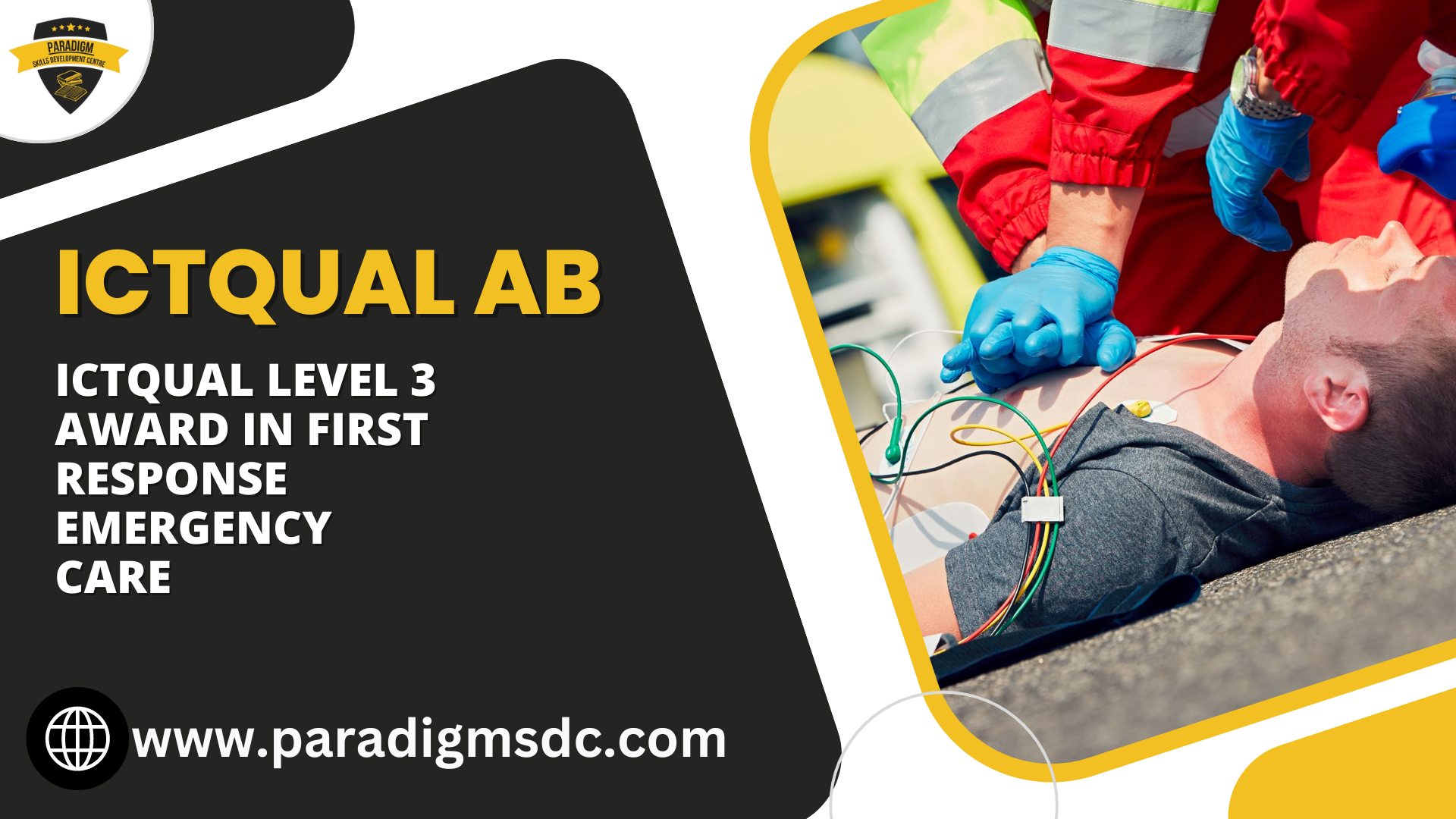
The ICTQual Level 3 Award in First Response Emergency Care (FREC) is a comprehensive training program designed for individuals seeking to advance their skills in emergency medical care. This course equips learners with the knowledge and practical abilities required to provide immediate and effective care in various emergency situations. Ideal for those aspiring to work in pre-hospital care settings, the FREC qualification is a crucial step towards a career in emergency response and healthcare.
Course Overview
The ICTQual Level 3 FREC course is structured to provide a blend of theoretical knowledge and hands-on practice. Over the duration of the program, participants will engage in interactive learning experiences, simulations, and practical assessments. The course covers a wide range of topics essential for first responders, ensuring that learners are well-prepared to handle emergencies confidently and competently.
Course Study Units
- Basic Life Support (BLS)
- Trauma Care
- Medical Emergencies
- Special Populations and Considerations
Learning Outcomes
Upon successful completion of the ICTQual Level 3 FREC course, learners will be able to:
Basic Life Support (BLS)
- Demonstrate Proficiency in CPR: Participants will be able to perform cardiopulmonary resuscitation (CPR) effectively on adult, child, and infant manikins, including providing chest compressions, rescue breaths, and utilizing an automated external defibrillator (AED) when necessary.
- Understand Airway Management: Learners will comprehend the importance of establishing and maintaining a clear airway in emergencies, including techniques for opening the airway, using airway adjuncts, and performing manual airway maneuvers.
- Recognize Signs of Cardiac Arrest: Students will be able to recognize the signs and symptoms of cardiac arrest and respond promptly with appropriate BLS interventions to increase their chances of survival.
- Apply BLS Skills in Team Settings: Participants will develop the ability to work effectively within a team during resuscitation efforts, including clear communication, role delegation, and coordination of CPR cycles.
Trauma Care
- Identify and Prioritize Trauma Patients: Learners will be able to conduct rapid assessments to identify traumatic injuries, prioritize care based on severity, and implement appropriate interventions to manage life-threatening conditions.
- Control Bleeding and Manage Shock: Students will acquire skills in controlling external bleeding using direct pressure, tourniquets, and wound-packing techniques, as well as recognizing and managing shock in trauma patients.
- Stabilize Fractures and Soft Tissue Injuries: Participants will learn techniques for immobilizing fractures, splinting injuries, and providing appropriate wound care to minimize further damage and reduce the risk of complications.
- Prepare Patients for Transport: Students will understand the importance of stabilizing trauma patients before transport, including spinal immobilization, securing the patient for safe movement, and providing ongoing monitoring and reassessment during transit.
Medical Emergencies
- Recognize Common Medical Emergencies: Learners will be able to recognize the signs and symptoms of common medical emergencies, including myocardial infarction, stroke, diabetic emergencies, and allergic reactions.
- Administer Medications and Treatments: Participants will acquire knowledge of common medications used in medical emergencies, including their indications, contraindications, and proper administration routes and dosages.
- Manage Medical Emergencies Appropriately: Students will develop the skills to initiate appropriate interventions to manage medical emergencies effectively, including oxygen therapy, glucose administration, aspirin administration, and epinephrine auto-injector use.
- Coordinate with Healthcare Providers: Participants will understand the importance of coordinating care with other healthcare providers, including emergency medical services (EMS), hospitals, and specialty care facilities, to ensure seamless continuity of care for patients.
Special Populations and Considerations
- Adapt Care for Pediatric Patients: Learners will understand the unique physiological and psychological needs of pediatric patients in emergencies and apply age-appropriate assessment and treatment techniques.
- Address Geriatric Patient Needs: Students will recognize age-related changes and common comorbidities in geriatric patients, adapt care plans to meet their specific needs, and provide compassionate and respectful care to older adults.
- Ensure Accessibility for Patients with Disabilities: Participants will learn strategies for ensuring accessibility and providing tailored care to individuals with physical, sensory, or cognitive disabilities, including communication techniques, environmental modifications, and assistive devices.
- Promote Cultural Competence and Sensitivity: Students will develop cultural competence and sensitivity to diverse patient populations, recognizing and respecting cultural beliefs, practices, and preferences in the provision of emergency care.
Course Benefits
- Enhanced Skills: Gain advanced knowledge and practical skills in emergency care.
- Career Advancement: Open doors to various roles in pre-hospital and emergency care settings.
- Confidence in Emergencies: Develop the confidence to handle emergency situations effectively.
- Certification: Receive a recognized qualification that validates your competence as a first responder.
- Professional Growth: Continuous professional development opportunities through advanced courses and certifications.
Who is this Course For?
The ICTQual Level 3 Award in First Response Emergency Care is suitable for:
- Individuals aspiring to work in emergency medical services (EMS).
- Healthcare professionals seeking to enhance their emergency care skills.
- Security personnel, event staff, and safety officers responsible for first aid and emergency response.
- Volunteers and members of community emergency response teams.
- Anyone with a keen interest in gaining comprehensive knowledge in emergency medical care.
Future Progression
After completing the ICTQual Level 3 FREC course, learners can further advance their careers by pursuing:
- ICTQual Level 4 Certificate in First Response Emergency Care
- Diploma in Paramedic Practice
- Advanced trauma care courses
- Specialized training in pediatric emergency care
- Additional certifications in areas such as advanced life support (ALS) and pre-hospital trauma life support (PHTLS)
Embark on a rewarding journey in emergency medical care with the ICTQual Level 3 Award in First Response Emergency Care. Equip yourself with the skills and knowledge to make a difference in critical situations and pave the way for a fulfilling career in emergency response.
4o