Course Introduction
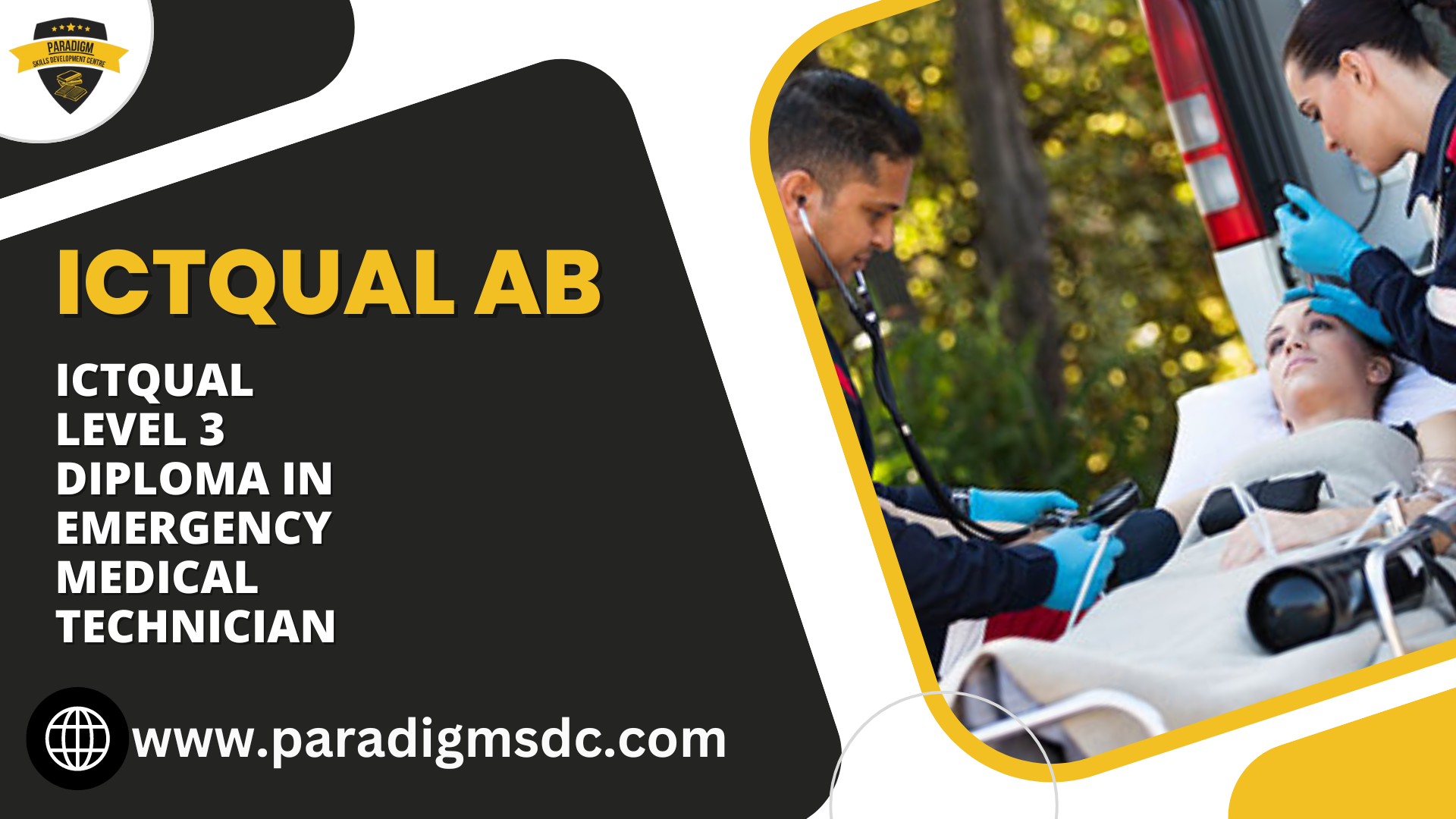
The ICTQual Level 3 Diploma in Emergency Medical Technician is a comprehensive training program aimed at individuals aspiring to become proficient EMTs. This course offers in-depth knowledge and hands-on experience in emergency medical care, preparing students to handle various medical emergencies effectively. It is ideal for those looking to pursue a rewarding career in emergency medical services.
Course Overview
The diploma course spans several months, combining theoretical learning with practical applications. Students will learn about the principles of emergency care, patient assessment, and the use of medical equipment. The curriculum is designed to meet industry standards, ensuring that graduates are well-prepared to enter the workforce as competent EMTs.
Course Study Units
- Introduction to Emergency Medical Services
- Patient Assessment and Triage
- Basic Life Support (BLS)
- Advanced Life Support (ALS)
- Emergency Medical Procedures
- Ambulance Operations
- Patient Transportation and Transfer
- Ethics and Legal Considerations
- Clinical Practicum
Learning Outcomes
Upon completing this course, students will be able to:
- Introduction to Emergency Medical Services
- Understand the role and responsibilities of emergency medical technicians (EMTs) within the emergency medical services (EMS) system.
- Explain the importance of effective communication, teamwork, and professionalism in emergency medical care.
- Identify key components of EMS systems, including regulations, protocols, and resource management.
- Patient Assessment and Triage
- Demonstrate proficiency in assessing patients in emergency situations, including identifying signs and symptoms of critical illness or injury.
- Apply triage principles to prioritize patient care based on severity of condition and available resources.
- Communicate assessment findings effectively to other members of the healthcare team and coordinate patient care accordingly.
- Basic Life Support (BLS)
- Perform cardiopulmonary resuscitation (CPR) techniques according to current guidelines for adults, children, and infants.
- Demonstrate proficiency in using automated external defibrillators (AEDs) to manage cardiac arrest situations.
- Recognize and manage airway obstructions effectively using appropriate maneuvers and techniques.
- Advanced Life Support (ALS)
- Describe advanced medical interventions and procedures used in managing life-threatening emergencies.
- Administer medications, intravenous (IV) therapy, and advanced airway management techniques under supervision.
- Recognize and manage complex medical emergencies such as cardiac dysrhythmias, respiratory failure, and traumatic injuries.
- Emergency Medical Procedures
- Perform emergency medical procedures such as wound care, splinting, and immobilization with proficiency and accuracy.
- Demonstrate the ability to manage medical emergencies such as seizures, allergic reactions, and diabetic crises.
- Apply principles of infection control and universal precautions to prevent transmission of infectious diseases during patient care.
- Ambulance Operations
- Operate emergency vehicles, including ambulances, safely and efficiently in various traffic and environmental conditions.
- Navigate to emergency scenes using maps, GPS systems, or other navigation tools while adhering to traffic laws and safety regulations.
- Maintain ambulance equipment and supplies in a state of readiness for rapid deployment in emergency situations.
- Patient Transportation and Transfer
- Safely transfer patients from the scene of an emergency to the ambulance and from the ambulance to the hospital or other healthcare facilities.
- Communicate effectively with hospital staff to provide accurate patient handover reports and ensure continuity of care.
- Demonstrate empathy, compassion, and professionalism when interacting with patients and their families during transportation and transfer.
- Ethics and Legal Considerations
- Understand ethical principles and legal requirements governing emergency medical practice, including patient confidentiality, informed consent, and duty to act.
- Recognize and navigate ethical dilemmas and conflicts of interest that may arise in emergency medical situations.
- Adhere to professional standards of conduct and practice within the scope of EMT licensure and certification.
- Clinical Practicum
- Apply theoretical knowledge and practical skills in real-world emergency medical settings under the supervision of experienced EMTs or paramedics.
- Demonstrate competence in assessing and treating patients, managing emergencies, and communicating effectively with healthcare teams.
- Reflect on learning experiences and identify areas for further professional development and skill enhancement.
Course Benefits
- Expert Instruction: Learn from experienced EMTs and healthcare professionals.
- Hands-On Experience: Gain practical skills through simulations and real-world clinical placements.
- Career Readiness: Be prepared to enter the workforce as a skilled EMT.
- Certification: Earn a recognized qualification that enhances your employment prospects.
Who is this Course For?
This course is ideal for:
- Aspiring EMTs who wish to start a career in emergency medical services.
- Healthcare professionals looking to expand their skills and knowledge in emergency care.
- Individuals passionate about helping others and making a difference in their community.
- Current EMTs seeking to upgrade their qualifications and advance their careers.
Future Progression
Graduates of the ICTQual Level 3 Diploma in Emergency Medical Technician can pursue various career paths and further education opportunities, including:
- Employment: Work as an EMT in ambulance services, hospitals, or private medical facilities.
- Advanced Training: Enroll in advanced EMT or paramedic training programs.
- Specializations: Specialize in areas such as pediatric emergency care, wilderness medicine, or critical care transport.
- Higher Education: Pursue higher education in fields like emergency medicine, nursing, or healthcare management.
The ICTQual Level 3 Diploma in Emergency Medical Technician is more than just a qualification; it’s a stepping stone to a fulfilling career dedicated to saving lives and serving communities. If you’re ready to embark on a challenging and rewarding journey, this course is your gateway to becoming a proficient and respected EMT.