Course Introduction
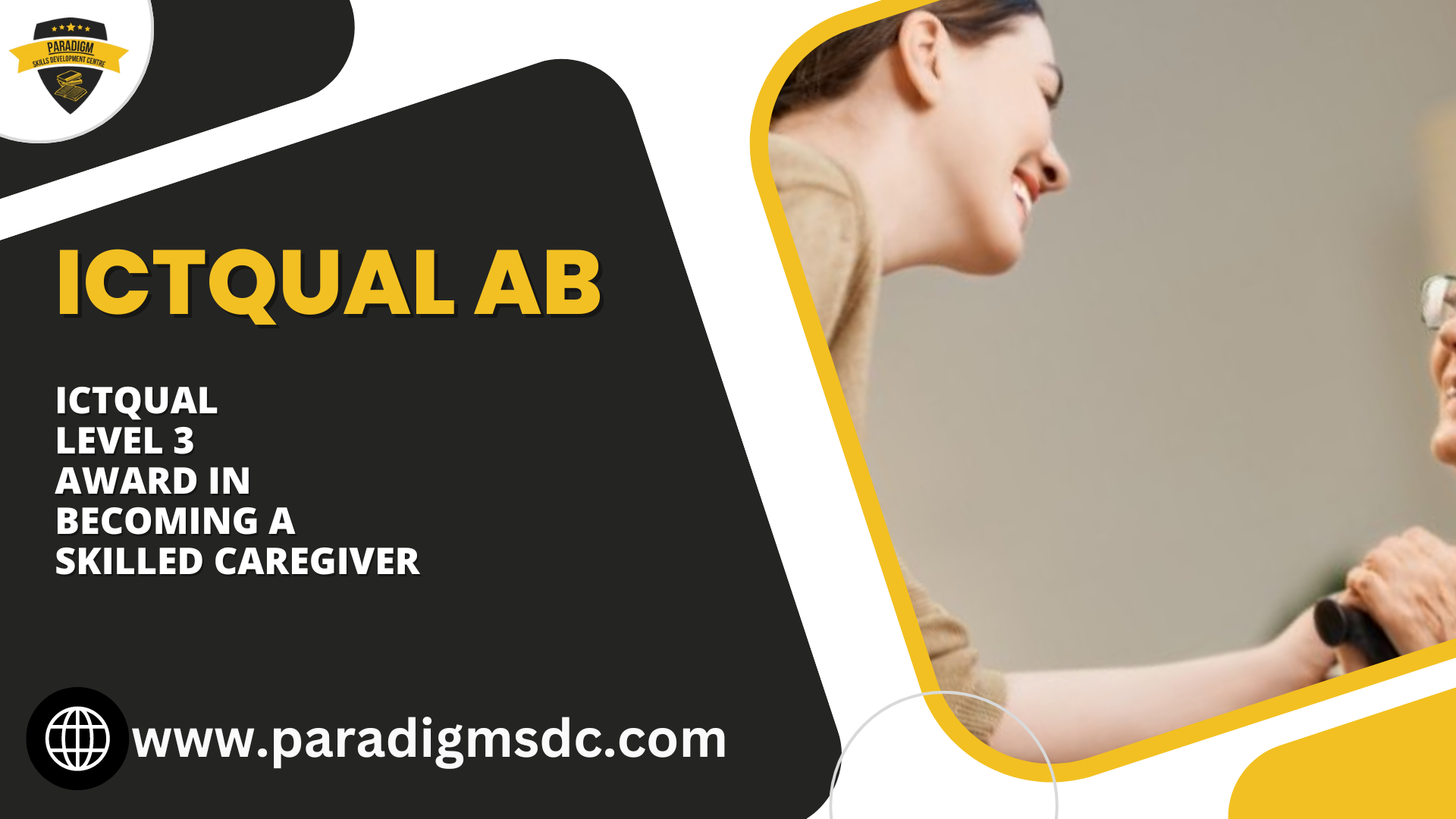
The ICTQual Level 3 Award in Becoming a Skilled Caregiver is an advanced course aimed at individuals seeking to enhance their caregiving abilities. Whether you are a professional caregiver, a family member providing care, or someone aspiring to enter the caregiving field, this course provides the essential skills and knowledge required to deliver high-quality, compassionate care.
Course Overview
This course covers a broad spectrum of topics related to caregiving, from fundamental principles to advanced techniques. It combines theoretical knowledge with practical applications, ensuring that participants are well-equipped to handle various caregiving scenarios with confidence and competence.
Course Study Units
- Introduction to Caregiving
- Effective Communication in Care
- Health and Safety in Care Settings
- Personal Care Techniques
- Nutrition and Hydration
- Medication Management
- Supporting Mental Health and Wellbeing
- End-of-Life Care
- Professional Development and Ethics
Learning Outcomes
By the end of this course, participants will be able to:
Introduction to Caregiving
- Understanding the Role of a Caregiver: Comprehend the history, roles, and responsibilities of caregivers.
- Principles of Care: Grasp core values and ethical considerations in caregiving.
- Person-Centered Approach: Apply person-centered care techniques, focusing on the individual’s needs and preferences.
Effective Communication in Care
- Communication Skills: Demonstrate effective verbal and non-verbal communication techniques.
- Active Listening: Employ active listening skills to understand and respond to care recipients.
- Cultural Sensitivity: Communicate effectively with individuals from diverse cultural backgrounds.
- Accurate Documentation: Record and report care activities accurately and comprehensively.
Health and Safety in Care Settings
- Risk Assessment: Conduct thorough risk assessments in care environments.
- Infection Control: Implement best practices to prevent the spread of infections.
- Emergency Response: Respond effectively to emergencies such as falls, fires, and medical incidents.
- Personal Safety: Ensure the safety of both caregivers and care recipients through proper procedures and precautions.
Personal Care Techniques
- Daily Living Assistance: Provide assistance with bathing, dressing, grooming, and other daily living activities.
- Mobility Support: Use safe techniques for lifting, transferring, and positioning individuals.
- Incontinence Care: Manage continence and provide appropriate care.
- Pressure Ulcer Prevention: Apply techniques to prevent and care for pressure sores.
Nutrition and Hydration
- Dietary Needs: Understand and cater to the nutritional requirements of different populations.
- Meal Planning: Plan and prepare balanced and nutritious meals.
- Hydration: Ensure individuals maintain adequate fluid intake.
- Feeding Assistance: Assist individuals with eating and drinking, ensuring safety and dignity.
Medication Management
- Medication Knowledge: Understand the types and purposes of various medications.
- Safe Administration: Practice safe administration of oral, topical, and other forms of medications.
- Monitoring and Recording: Keep accurate records of medication administration and monitor for side effects.
- Compliance with Regulations: Adhere to laws and organizational policies regarding medication administration.
Supporting Mental Health and Wellbeing
- Mental Health Awareness: Recognize signs of mental health issues and understand their impact.
- Emotional Support: Provide compassionate support to individuals experiencing emotional distress.
- Wellbeing Activities: Engage individuals in activities that promote mental and emotional health.
- Stress Management: Implement techniques for managing stress in both caregivers and care recipients.
End-of-Life Care
- Palliative Care Principles: Provide comfort and support to individuals nearing the end of life.
- Advance Care Planning: Understand and respect individuals’ end-of-life wishes and directives.
- Family Support: Assist families through the end-of-life process with empathy and care.
- Bereavement Care: Provide support to grieving families and manage bereavement sensitively.
Professional Development and Ethics
- Professional Boundaries: Maintain appropriate professional relationships with care recipients and colleagues.
- Continuous Learning: Recognize the importance of ongoing education and professional development.
- Reflective Practice: Utilize self-reflection techniques to improve care practices and personal growth.
- Legal and Ethical Responsibilities: Understand and adhere to the legal and ethical responsibilities of caregivers.
Course Benefits
- Comprehensive Training: Gain in-depth knowledge and practical skills in all aspects of caregiving.
- Enhanced Caregiving Abilities: Improve your ability to provide high-quality, compassionate care.
- Professional Development: Boost your qualifications and career prospects in the caregiving field.
- Improved Care Recipient Outcomes: Enhance the well-being and quality of life of those you care for.
Who is This Course For?
This course is ideal for:
- Professional caregivers seeking to advance their skills
- Family members providing care to loved ones
- Aspiring caregivers looking to enter the caregiving field
- Healthcare professionals expanding their caregiving knowledge
- Volunteers and community workers involved in caregiving activities
Future Progression
Completing the ICTQual Level 3 Award in Becoming a Skilled Caregiver opens up several opportunities for further professional development:
- Advanced Caregiving Courses: Pursue higher-level courses and certifications in specialized caregiving areas.
- Specialist Roles: Move into specialist roles such as dementia care, palliative care, or rehabilitation support.
- Leadership Positions: Take on supervisory and leadership roles in caregiving organizations and institutions.
Conclusion
The ICTQual Level 3 Award in Becoming a Skilled Caregiver is an essential course for anyone dedicated to providing high-quality care. By offering comprehensive training and practical skills, this course prepares participants to excel in their caregiving roles and make a significant impact on the lives of those they care for. Whether you are a professional caregiver, a family member, or an aspiring caregiver, this course provides the tools and knowledge you need to succeed. Enhance your caregiving abilities and contribute to the well-being of others with the ICTQual Level 3 Award in Becoming a Skilled Caregiver.