Course Introduction
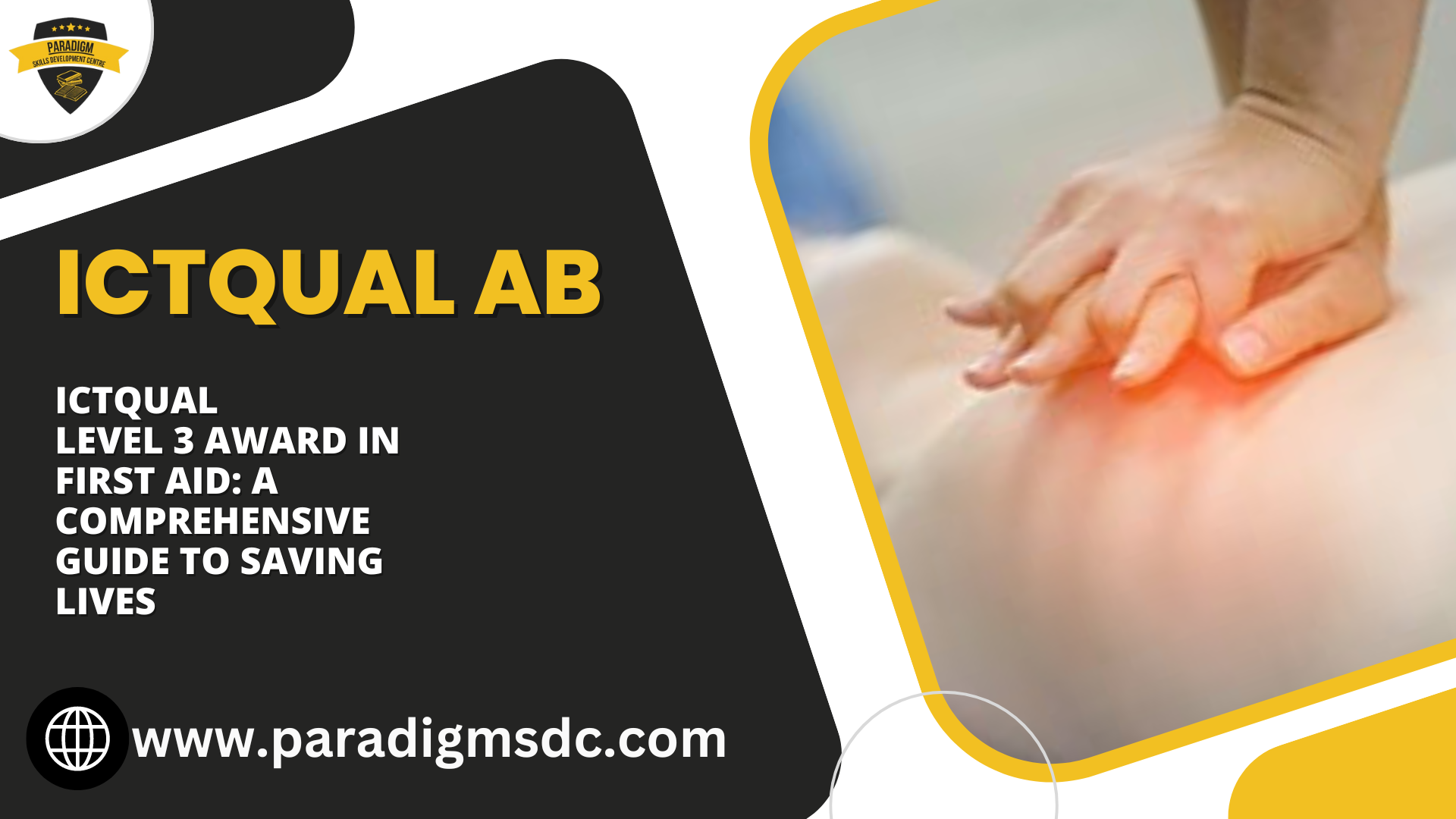
First aid is an essential skill that can make a critical difference in emergency situations. The ICTQual Level 3 Award in First Aid provides a comprehensive guide to saving lives, equipping participants with the knowledge and practical skills needed to respond effectively to a wide range of medical emergencies. Whether you are a healthcare professional, a workplace safety officer, or an individual seeking to be prepared for emergencies, this course offers valuable training that can help you save lives.
Course Overview
The ICTQual Level 3 Award in First Aid is designed to cover all fundamental aspects of first aid, from basic principles to advanced life-saving techniques. The course includes both theoretical instruction and hands-on practice, ensuring that participants are confident and competent in administering first aid. Key topics include assessing and managing injuries, performing CPR, and handling specific emergencies such as choking, bleeding, and shock.
Course Study Units
- Basic Life Support (BLS)
- Medical Conditions
- Trauma Management
- Special Situations
- Legal and Ethical Considerations
Learning Outcomes
Upon completing the ICTQual Level 3 Award in First Aid, students will be able to:
Basic Life Support (BLS)
- Demonstrate CPR Techniques: Perform effective cardiopulmonary resuscitation (CPR) techniques on adults, children, and infants.
- Utilize Automated External Defibrillator (AED): Use AED devices confidently to deliver electrical therapy during cardiac arrest situations.
- Manage Choking Incidents: Apply appropriate techniques to clear airways and manage choking emergencies effectively.
- Recognize Signs of Life-Threatening Emergencies: Identify signs of life-threatening conditions requiring immediate intervention.
Medical Conditions
- Recognize Common Medical Emergencies: Identify and assess signs and symptoms of common medical emergencies such as heart attacks, strokes, seizures, allergic reactions, asthma attacks, and diabetic emergencies.
- Provide Appropriate First Aid: Administer appropriate first aid measures for various medical conditions, including medication administration and support techniques.
- Assess and Prioritize Care: Prioritize care based on the severity of the medical condition and the available resources.
- Communicate Effectively: Communicate with the casualty and emergency services to ensure appropriate care and support.
Trauma Management
- Manage Wounds and Bleeding: Apply correct techniques for wound management and controlling bleeding, including the use of bandages and dressings.
- Handle Fractures and Dislocations: Recognize and provide initial management for fractures and dislocations, including immobilization techniques.
- Manage Shock: Identify and manage shock in trauma patients through proper positioning and support measures.
- Maintain Scene Safety: Assess the scene of a trauma incident to ensure safety for both rescuers and casualties.
Special Situations
- Provide First Aid in Remote Environments: Apply first aid principles in remote or wilderness settings, considering unique challenges and limitations.
- Manage Environmental Emergencies: Identify and manage environmental emergencies such as heatstroke, hypothermia, and dehydration effectively.
- Apply Critical Thinking Skills: Assess and adapt first aid techniques to suit specific situations and environmental conditions.
- Collaborate with Resources: Coordinate with additional resources and emergency services when dealing with special situations, ensuring timely and appropriate care.
Legal and Ethical Considerations
- Understand Legal Obligations: Recognize legal responsibilities and obligations as a first aider, including duty of care and consent requirements.
- Maintain Confidentiality and Privacy: Uphold principles of confidentiality and privacy when providing first aid and handling medical information.
- Document Incidents Appropriately: Complete accurate and timely documentation of first aid incidents, including reporting requirements.
- Communicate Effectively: Communicate clearly and effectively with casualties, bystanders, emergency services, and other healthcare professionals, maintaining professionalism and empathy.
Course Benefits
- Life-Saving Skills: Acquire essential skills to respond effectively in emergencies.
- Confidence and Competence: Gain confidence in providing first aid through practical training.
- Career Enhancement: Enhance your qualifications and career prospects in healthcare and safety roles.
- Community Impact: Make a positive impact on your community by being prepared to save lives.
- Comprehensive Training: Receive thorough and well-rounded training covering a wide range of emergencies.
Who is This Course For?
The ICTQual Level 3 Award in First Aid is ideal for:
- Healthcare professionals seeking to update or enhance their first aid skills.
- Workplace safety officers and emergency response teams.
- Teachers, coaches, and childcare providers.
- Individuals looking to be prepared for emergencies in their personal and professional lives.
- Anyone interested in gaining comprehensive first aid training.
Future Progression
Upon successful completion of this course, students can pursue further education and training opportunities, such as:
- Advanced first aid and emergency response courses.
- Certification in specialized areas such as pediatric first aid or wilderness first aid.
- Professional development in healthcare, emergency services, or safety management.
- Leadership roles in workplace safety and emergency preparedness.
- Continuing professional development in health and safety training.
By completing the ICTQual Level 3 Award in First Aid, you will be well-equipped with the knowledge and skills needed to respond effectively to emergencies, providing critical care and potentially saving lives. This course is not only an investment in your professional development but also a commitment to the safety and well-being of those around you.