Course Introduction
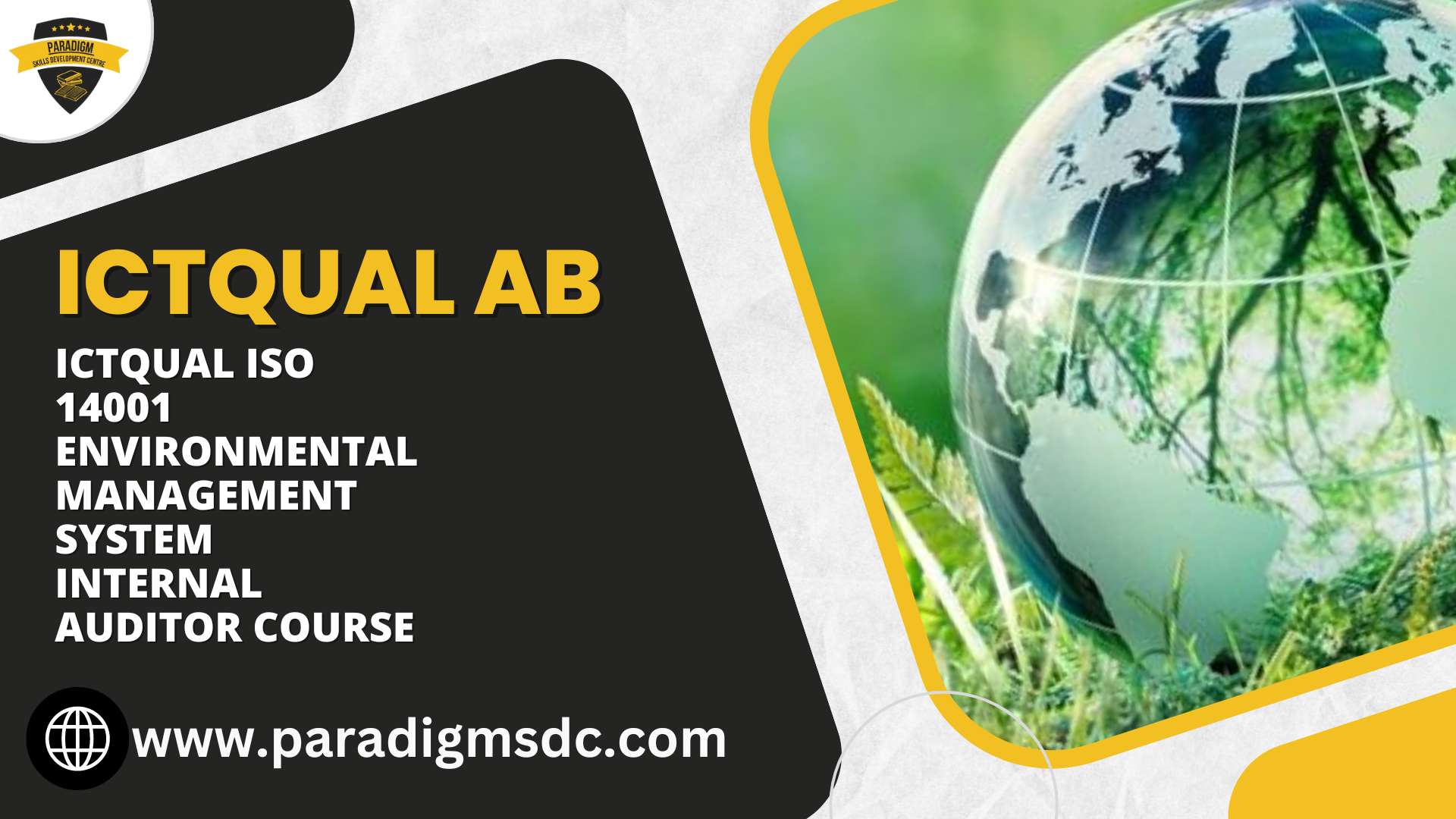
The ICTQual ISO 14001 Environmental Management System Internal Auditor Course provides comprehensive training for individuals aiming to become proficient in auditing environmental management systems. This course delves into the ISO 14001 standards, teaching participants how to evaluate and improve EMS within their organizations. By the end of the course, attendees will be well-versed in audit principles, techniques, and best practices, empowering them to drive environmental performance improvements.
Course Overview
The course is structured to offer a blend of theoretical knowledge and practical auditing skills. Participants will gain insights into the ISO 14001 standards, the importance of EMS, and the role of internal audits in maintaining and enhancing environmental performance. The training includes interactive sessions, case studies, and practical exercises to ensure a thorough understanding of the subject matter.
Course Study Units
- Introduction to ISO 14001 and Environmental Management Systems
- Fundamentals of Environmental Management
- Roles and Responsibilities of Internal Auditors
- Audit Planning and Preparation
- Conducting the Audit
- Documentation and Reporting
- Corrective Actions and Continual Improvement
- Regulatory Compliance and Emerging Trends
Learning Outcomes
Upon completing the ICTQual ISO 14001 Environmental Management System Internal Auditor Course, participants will be able to:
- Introduction to ISO 14001 and Environmental Management Systems:
- Understand the purpose and scope of ISO 14001 and its relevance to environmental management.
- Identify key components of an environmental management system (EMS) and their role in achieving sustainability goals.
- Describe the benefits of implementing ISO 14001 and its potential impact on organizational performance and environmental sustainability.
- Fundamentals of Environmental Management:
- Recognize the principles of environmental management, including pollution prevention, resource conservation, and compliance with regulations.
- Understand the concept of environmental aspects and impacts, and how they are identified, evaluated, and managed within an organization.
- Analyze the importance of continual improvement in environmental performance and its integration into organizational processes.
- Roles and Responsibilities of Internal Auditors:
- Define the role of internal auditors in evaluating the effectiveness and compliance of environmental management systems.
- Identify the responsibilities and ethical considerations associated with conducting internal audits.
- Demonstrate the skills and competencies required for effective internal auditing, including communication, observation, and analysis.
- Audit Planning and Preparation:
- Develop an audit plan based on defined objectives, scope, and criteria.
- Prepare audit checklists, schedules, and other documentation necessary for conducting audits.
- Allocate audit resources effectively and ensure readiness for the audit process.
- Conducting the Audit:
- Apply auditing techniques and methods to gather evidence, conduct interviews, and assess compliance with environmental management requirements.
- Conduct opening and closing meetings with auditees, and manage audit activities effectively.
- Ensure objectivity, impartiality, and confidentiality throughout the audit process.
- Documentation and Reporting:
- Document audit findings, observations, and conclusions accurately and comprehensively.
- Prepare clear and concise audit reports that communicate findings, conclusions, and recommendations effectively.
- Ensure compliance with documentation requirements and standards during the reporting process.
- Corrective Actions and Continual Improvement:
- Identify nonconformities and opportunities for improvement through audit findings.
- Develop and implement corrective action plans to address identified issues and improve environmental performance.
- Monitor the effectiveness of corrective actions and utilize audit findings to drive continual improvement in environmental management systems.
- Regulatory Compliance and Emerging Trends:
- Understand the regulatory framework governing environmental management and compliance requirements.
- Stay updated on emerging trends, technologies, and best practices in environmental management.
- Identify strategies for ensuring compliance with environmental regulations and adapting to evolving environmental challenges and opportunities.
Course Benefits
- Comprehensive Knowledge: Gain an in-depth understanding of ISO 14001 standards and EMS.
- Practical Skills: Develop hands-on auditing skills through practical exercises and case studies.
- Career Advancement: Enhance your qualifications and career prospects as an internal auditor.
- Organizational Improvement: Contribute to your organization’s environmental sustainability and compliance.
- Networking Opportunities: Connect with professionals and experts in the field of environmental management.
Who is this Course For?
The ICTQual ISO 14001 Environmental Management System Internal Auditor Course is ideal for:
- Environmental managers and officers.
- Quality assurance and compliance professionals.
- Individuals responsible for conducting internal audits.
- Professionals seeking to enhance their environmental management skills.
- Anyone interested in understanding and implementing ISO 14001 standards.
Future Progression
Upon completing this course, participants can pursue advanced certifications and roles, such as:
- Lead Auditor Training: Further your auditing skills with lead auditor certification courses.
- Environmental Consultant: Provide expert guidance on environmental management and compliance.
- EMS Implementation Specialist: Lead the implementation and improvement of environmental management systems.
- Sustainability Manager: Oversee broader sustainability initiatives within organizations.
In conclusion, the ICTQual ISO 14001 Environmental Management System Internal Auditor Course offers valuable training for professionals seeking to enhance their auditing skills and contribute to environmental sustainability. By understanding and implementing ISO 14001 standards, participants can drive continuous improvement, ensure compliance, and support their organizations in achieving environmental excellence.