Course Introduction
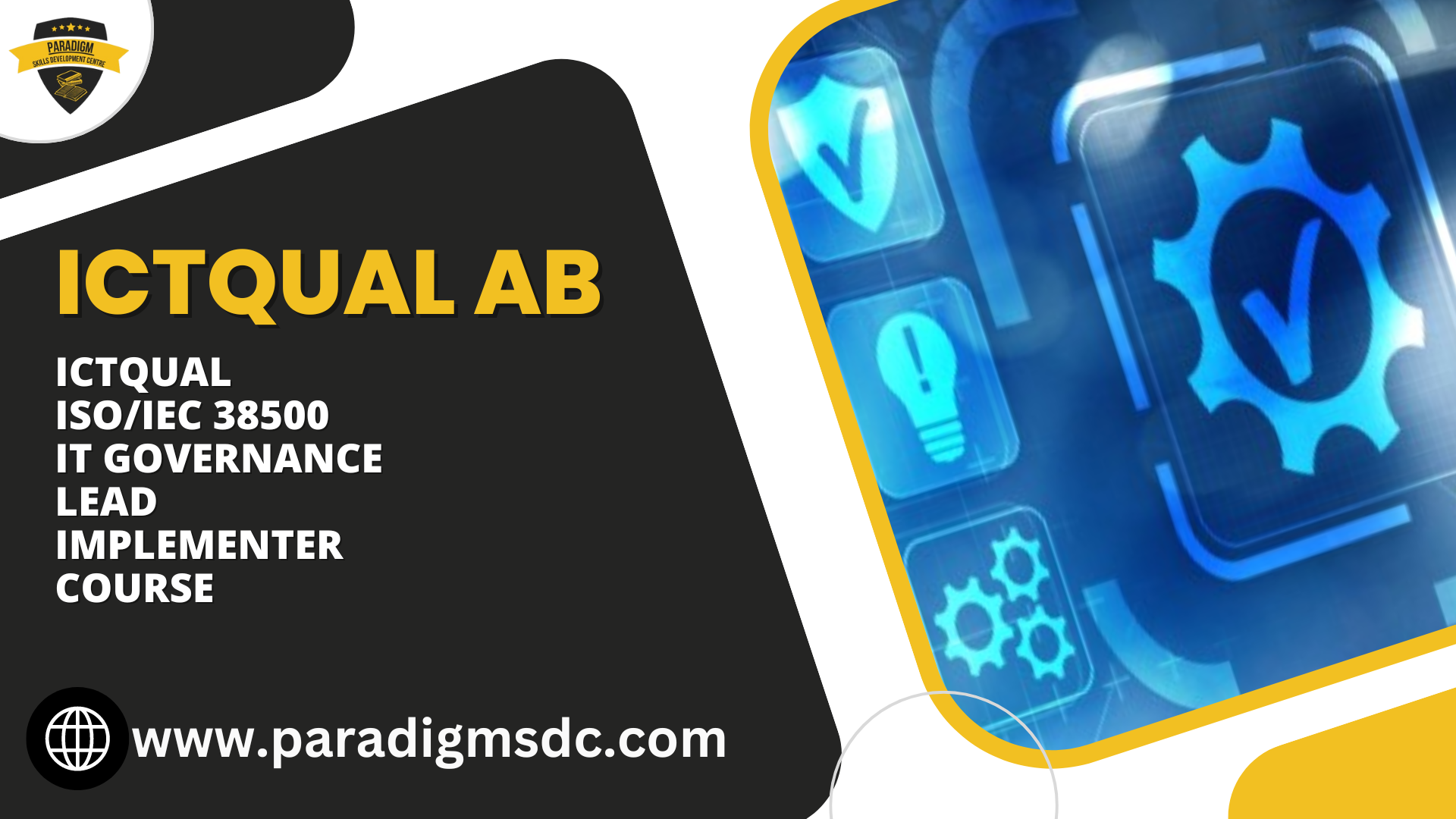
The ICTQual ISO/IEC 38500 IT Governance Lead Implementer Course is designed for professionals seeking to master the principles and practices of IT governance as outlined by the ISO/IEC 38500 standard. This course equips participants with the skills needed to implement, manage, and evaluate an effective IT governance framework within their organizations. It is ideal for those looking to ensure their IT operations align with overall business strategies and objectives.
Course Overview
This comprehensive course covers all aspects of IT governance, from understanding the ISO/IEC 38500 standard to implementing best practices in real-world scenarios. Participants will engage in a mix of theoretical learning and practical exercises, ensuring they can apply their knowledge effectively. The course is delivered by experienced trainers who provide insights into the latest trends and challenges in IT governance.
Course Study Units
- Introduction to IT Governance:
- Principles of IT Governance:
- Implementation of IT Governance:
- Scope and Frameworks:
- Assessing and Monitoring IT Governance:
- Case Studies and Best Practices:
Learning Outcomes
By the end of this course, participants will be able to:
- Introduction to IT Governance:
- Understand the concept of IT governance and its significance in modern organizations.
- Identify the key objectives and benefits of implementing IT governance.
- Describe the purpose and scope of the ISO/IEC 38500 standard.
- Recognize the role of IT governance in aligning IT activities with organizational goals and strategies.
- Principles of IT Governance:
- Explain the fundamental principles outlined in ISO/IEC 38500 and their relevance to IT governance.
- Analyze how IT governance principles contribute to effective decision-making and risk management.
- Apply IT governance principles to establish clear roles, responsibilities, and accountability within an organization.
- Evaluate the alignment of IT governance principles with organizational objectives and regulatory requirements.
- Implementation of IT Governance:
- Develop a plan for initiating and implementing IT governance initiatives within an organization.
- Establish governance structures, processes, and mechanisms to support IT governance objectives.
- Design and implement policies, procedures, and controls to ensure compliance with IT governance requirements.
- Monitor and evaluate the effectiveness of IT governance implementation efforts and adjust strategies as needed.
- Scope and Frameworks:
- Define the scope of IT governance activities within the context of organizational objectives and strategies.
- Compare and contrast different IT governance frameworks and models, including ISO/IEC 38500, COBIT, and ITIL.
- Select appropriate frameworks and tailor them to meet the specific needs and priorities of the organization.
- Integrate IT governance frameworks with other organizational governance structures and processes.
- Assessing and Monitoring IT Governance:
- Develop methods and criteria for assessing the effectiveness of IT governance practices.
- Implement monitoring and reporting mechanisms to track performance against governance objectives and targets.
- Identify key performance indicators (KPIs) and metrics to measure the impact of IT governance on organizational outcomes.
- Conduct regular audits and reviews to ensure compliance with IT governance standards and requirements.
- Case Studies and Best Practices:
- Analyze real-world case studies to understand successful IT governance implementations in different organizational contexts.
- Extract lessons learned and best practices from case studies to inform future governance initiatives.
- Apply insights from case studies to address common challenges and pitfalls in IT governance implementation.
- Develop strategies for adapting and customizing best practices to suit the unique needs and circumstances of the organization.
Course Benefits
- Enhanced Knowledge: Gain a deep understanding of IT governance principles and practices.
- Practical Skills: Develop the ability to implement and manage IT governance frameworks in real-world scenarios.
- Career Advancement: Enhance your credentials and stand out in the competitive field of IT governance.
- Organizational Improvement: Contribute to the improvement of your organization’s IT governance and overall performance.
- Networking Opportunities: Connect with other professionals and experts in the field of IT governance.
Who is This Course For?
This course is ideal for:
- IT managers and professionals responsible for IT governance
- CIOs and IT directors
- Risk and compliance managers
- IT auditors and consultants
- Professionals seeking to enhance their understanding of IT governance
- Anyone involved in the implementation and management of IT governance frameworks
Future Progression
Upon completing the ICTQual ISO/IEC 38500 IT Governance Lead Implementer Course, participants can further their expertise and career prospects by pursuing additional certifications and courses, such as:
- ISO/IEC 27001 Lead Implementer: Focuses on information security management systems.
- ISO/IEC 20000 Lead Implementer: Specializes in IT service management.
- CGEIT (Certified in the Governance of Enterprise IT): Recognized globally for IT governance professionals.
- CISM (Certified Information Security Manager): Enhances skills in managing IT security.
With the knowledge and skills gained from this course, professionals can significantly contribute to their organizations’ IT governance, ensuring alignment with business objectives and regulatory requirements, while also advancing their careers in the ever-evolving field of IT governance.