Course Introduction
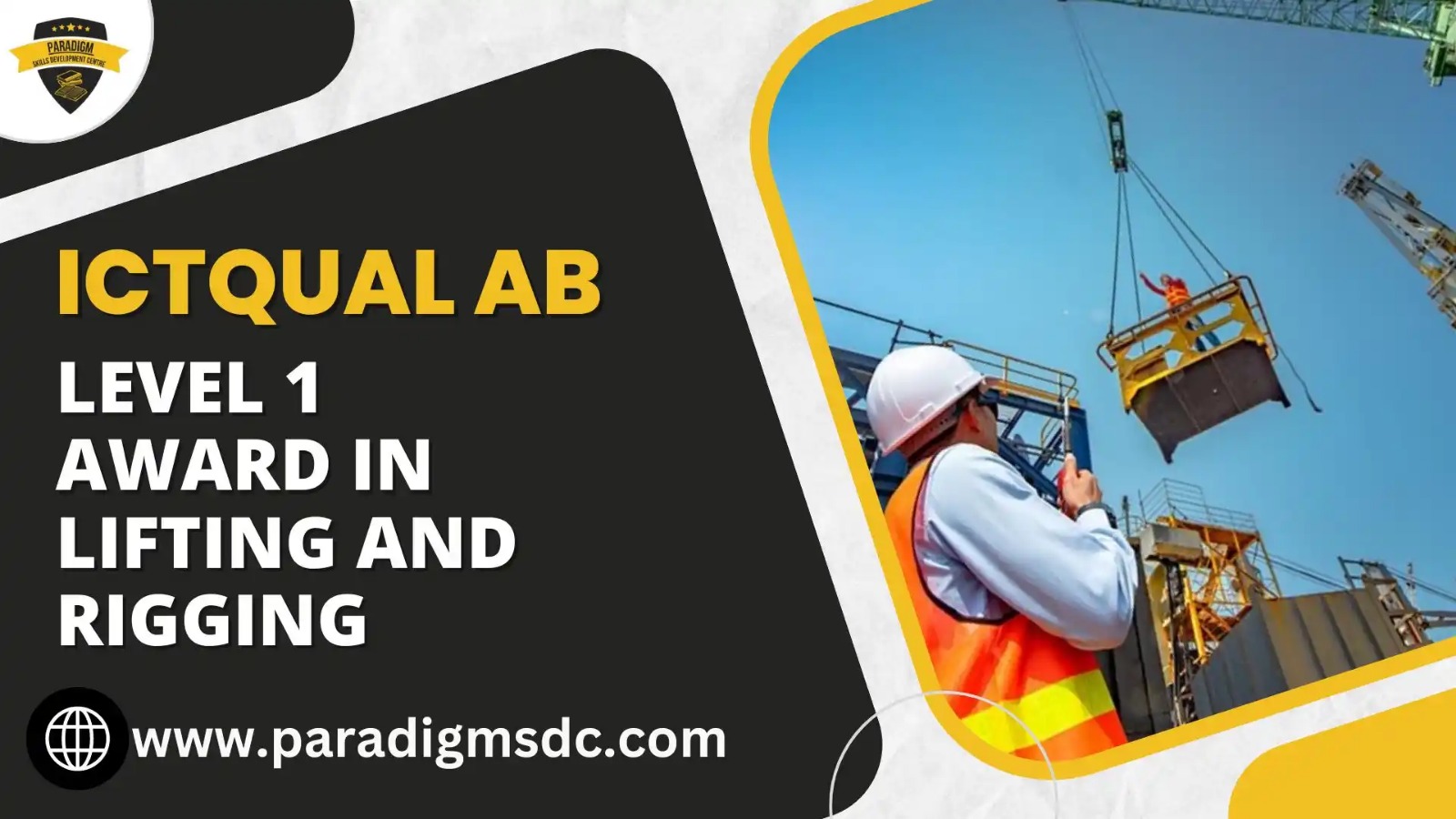
The ICTQual Level 1 Award in Lifting and Rigging is an essential training program designed for individuals entering the lifting and rigging industry. This foundational course provides participants with the necessary skills and knowledge to safely and effectively perform basic lifting and rigging operations. Emphasizing safety and precision, this qualification aims to prepare participants for a successful career in various sectors that require lifting and rigging expertise.
Course Overview
The ICTQual Level 1 Award in Lifting and Rigging offers a comprehensive introduction to the fundamental principles and practices of lifting and rigging. The course covers a range of topics, including equipment selection, inspection, and maintenance, as well as basic lifting techniques and safety protocols. Through a combination of theoretical instruction and practical exercises, participants gain hands-on experience and a solid understanding of best practices in the field.
Course Study Units
- Introduction to Lifting and Rigging
- Types of Lifting Equipment
- Rigging Techniques and Practices
- Safety Protocols and Risk Assessment
- Legislative and Regulatory Requirements
- Practical Application and Hands-On Training
Learning Outcomes
Upon completion of the ICTQual Level 1 Award in Lifting and Rigging, participants will:
1. Introduction to Lifting and Rigging
- Understand the fundamental concepts and importance of lifting and rigging in various industries.
- Recognize the roles and responsibilities of personnel involved in lifting and rigging operations.
- Appreciate the impact of effective lifting and rigging techniques on operational safety and efficiency.
2. Types of Lifting Equipment
- Identify different types of lifting equipment, including cranes, hoists, slings, and shackles.
- Understand the criteria for selecting appropriate lifting equipment for specific tasks.
- Learn the procedures for maintaining and inspecting lifting equipment to ensure safety and reliability.
3. Rigging Techniques and Practices
- Demonstrate knowledge of fundamental rigging techniques and their practical applications.
- Apply principles of load balancing, weight distribution, and secure attachment in rigging tasks.
- Develop the ability to handle various loads safely and efficiently during lifting and rigging operations.
4. Safety Protocols and Risk Assessment
- Understand the importance of safety protocols in lifting and rigging operations.
- Conduct comprehensive risk assessments for different lifting and rigging scenarios.
- Implement effective control measures to mitigate risks and enhance the safety of lifting and rigging activities.
5. Legislative and Regulatory Requirements
- Identify key legislative and regulatory requirements governing lifting and rigging operations.
- Ensure compliance with local and international safety standards and regulations.
- Maintain accurate documentation and records to support regulatory compliance and audit requirements.
6. Practical Application and Hands-On Training
- Gain practical experience in using various types of lifting and rigging equipment.
- Apply theoretical knowledge to simulated lifting and rigging operations in a controlled environment.
- Develop problem-solving skills and the ability to address real-world lifting and rigging challenges effectively.
Course Benefits
- Foundational Knowledge: Gain a solid understanding of basic lifting and rigging principles.
- Safety Emphasis: Learn to prioritize safety in all lifting and rigging operations.
- Hands-On Experience: Acquire practical skills through hands-on training and exercises.
- Industry Standards: Familiarize yourself with industry regulations and best practices.
- Career Readiness: Prepare for entry-level positions in the lifting and rigging industry.
Who is this Course For?
This course is ideal for:
- Individuals seeking entry-level positions in lifting and rigging.
- Workers in construction, manufacturing, and other industries that require lifting and rigging skills.
- Safety officers and supervisors looking to enhance their knowledge of lifting and rigging operations.
- Anyone interested in pursuing a career in the lifting and rigging industry.
Future Progression
Upon completing the ICTQual Level 1 Award in Lifting and Rigging, participants can pursue various career and educational pathways, including:
- Advanced certifications in lifting and rigging, such as Level 2 and Level 3 awards.
- Specialized training in specific types of lifting and rigging equipment.
- Career advancement opportunities in construction, manufacturing, and other industries.
- Roles in safety supervision and management, focusing on lifting and rigging operations.
Investing in the ICTQual Level 1 Award in Lifting and Rigging is a crucial step towards building a safe and successful career in the industry. By gaining foundational knowledge and practical skills, participants are well-equipped to meet the demands of lifting and rigging operations and contribute to a safer, more efficient workplace.