Course Introduction
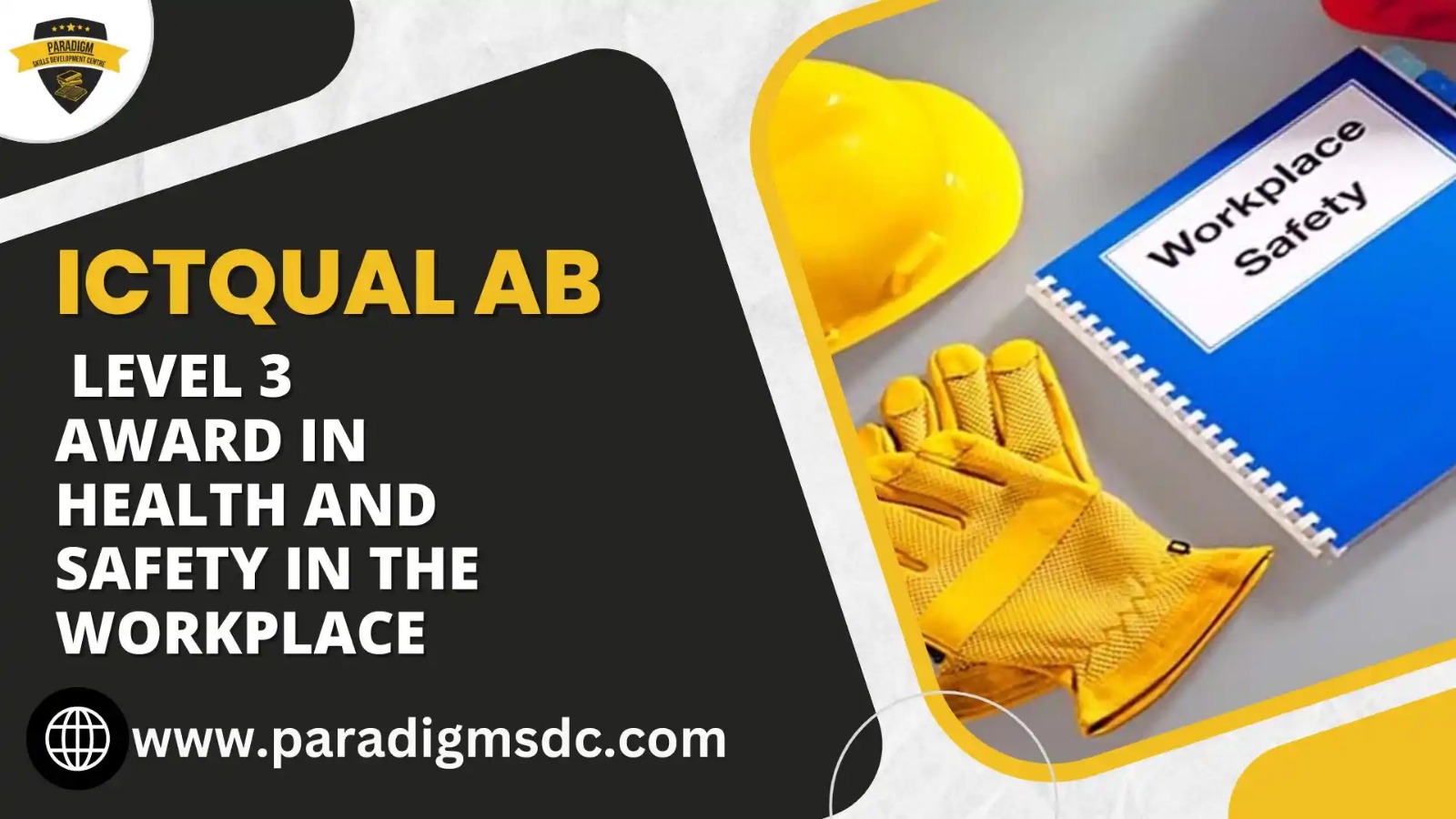
The ICTQual Level 3 Award in Health and Safety in the Workplace is a nationally recognized qualification that provides in-depth training on various aspects of health and safety management. This course is ideal for individuals who are responsible for health and safety within their organizations, including managers, supervisors, and those seeking to pursue a career in this field.
Course Overview
This qualification covers a wide range of health and safety topics, focusing on both theoretical knowledge and practical application. The course is structured to ensure that participants gain a thorough understanding of the principles and practices essential for effective health and safety management.
Course Study Units
The ICTQual Level 3 Award is divided into several key study units, each focusing on critical areas of health and safety:
- Introduction to Health and Safety Management
- Risk Assessment
- Workplace Hazards and Control Measures
- Legal Compliance
- Health and Safety Communication
- Emergency Preparedness and Response
- Monitoring and Review
Learning Outcomes
By the end of this course, participants will be able to:
Introduction to Health and Safety Management:
- Understanding of Health and Safety Principles:
- Define key health and safety concepts, principles, and terminology.
- Explain the importance of health and safety in the workplace and its impact on employees, employers, and the wider community.
- Knowledge of Legal Requirements:
- Identify relevant health and safety legislation, regulations, and codes of practice applicable to the workplace.
- Describe the legal duties and responsibilities of employers, employees, and regulatory bodies regarding health and safety.
- Roles and Responsibilities:
- Recognize the roles and responsibilities of different stakeholders (e.g., employers, managers, supervisors, employees) in promoting and maintaining health and safety.
- Understand the importance of effective leadership, communication, and employee involvement in creating a positive safety culture.
Risk Assessment:
- Understanding of Risk Assessment Process:
- Explain the purpose and benefits of risk assessment in managing workplace health and safety.
- Outline the steps involved in conducting a risk assessment, including hazard identification, risk evaluation, and control measures.
- Hazard Identification and Evaluation:
- Identify hazards present in various workplace environments and activities.
- Assess the severity and likelihood of harm associated with identified hazards.
- Risk Control Measures:
- Propose appropriate control measures to eliminate or reduce identified risks to an acceptable level.
- Evaluate the effectiveness of control measures in minimizing or mitigating workplace hazards.
Workplace Hazards and Control Measures:
- Recognition of Common Hazards:
- Identify common workplace hazards across different industries and sectors (e.g., manual handling, slips, trips, and falls, hazardous substances, ergonomic risks).
- Understand the potential consequences of exposure to workplace hazards on employee health and safety.
- Risk Factors and Contributing Factors:
- Analyze risk factors and contributing factors associated with specific workplace hazards.
- Evaluate the likelihood and severity of harm resulting from exposure to identified hazards.
- Preventive Measures and Control Strategies:
- Recommend preventive measures and control strategies to minimize or eliminate workplace hazards.
- Implement engineering, administrative, and personal protective measures to control exposure to hazards.
Legal Compliance:
- Knowledge of Health and Safety Legislation:
- Understand relevant health and safety laws, regulations, and standards applicable to the workplace.
- Interpret legal requirements and obligations for employers and employees concerning health and safety.
- Compliance Monitoring and Enforcement:
- Explain mechanisms for monitoring compliance with health and safety legislation.
- Understand the consequences of non-compliance and enforcement measures.
Health and Safety Communication:
- Effective Communication Strategies:
- Identify effective communication channels and methods for conveying health and safety information in the workplace.
- Promote open dialogue and feedback mechanisms to encourage employee participation in health and safety initiatives.
- Training and Awareness Programs:
- Develop and deliver training programs to educate employees about health and safety policies, procedures, and best practices.
- Foster a culture of safety awareness and responsibility among employees through continuous communication and reinforcement.
Emergency Preparedness and Response:
- Emergency Planning and Preparedness:
- Develop emergency response plans and procedures tailored to specific workplace hazards and risks.
- Establish protocols for emergency evacuation, first aid, and communication during crisis situations.
- Response Coordination and Management:
- Coordinate emergency response efforts effectively to minimize harm and disruption to operations.
- Provide training and drills to ensure employees are prepared to respond appropriately to emergencies.
Monitoring and Review:
- Performance Monitoring and Evaluation:
- Establish systems for monitoring health and safety performance indicators, such as accident rates, near misses, and compliance with safety procedures.
- Evaluate the effectiveness of health and safety measures and identify areas for improvement.
- Continuous Improvement Strategies:
- Implement corrective actions and improvements based on monitoring findings and feedback from stakeholders.
- Foster a culture of continuous improvement by involving employees in the review process and recognizing contributions to safety initiatives.
Course Benefits
Enrolling in the ICTQual Level 3 Award in Health and Safety in the Workplace offers numerous benefits:
- Enhanced Knowledge and Skills: Gain a comprehensive understanding of health and safety principles and practices.
- Career Advancement: Boost your career prospects in health and safety management roles.
- Legal Compliance: Ensure your organization complies with health and safety regulations.
- Improved Workplace Safety: Contribute to a safer and healthier working environment.
- Professional Recognition: Obtain a nationally recognized qualification that validates your expertise.
Who is this Course For?
This course is suitable for a wide range of individuals, including:
- Managers and supervisors responsible for health and safety in the workplace
- Aspiring health and safety professionals
- Individuals seeking to enhance their knowledge of workplace safety
- Employees looking to take on health and safety responsibilities within their organization
Future Progression
Upon completing the ICTQual Level 3 Award in Health and Safety in the Workplace, participants can further their professional development by pursuing higher-level qualifications or specialized courses. Potential progression routes include:
- ICTQual Level 4 Award in Health and Safety in the Workplace: For those looking to deepen their expertise and take on more advanced roles.
- NEBOSH General Certificate in Occupational Health and Safety: A globally recognized qualification for health and safety professionals.
- Specialized Courses: Such as fire safety, construction safety, or environmental management.
Conclusion
The ICTQual Level 3 Award in Health and Safety in the Workplace is a valuable investment for anyone looking to enhance their knowledge and skills in health and safety management. With its comprehensive curriculum and practical focus, this course prepares you to effectively manage health and safety in any workplace setting, contributing to a safer, healthier, and more productive environment.
Start your journey towards becoming a health and safety expert today by enrolling in the ICTQual Level 3 Award in Health and Safety in the Workplace.
4o