Course Introduction
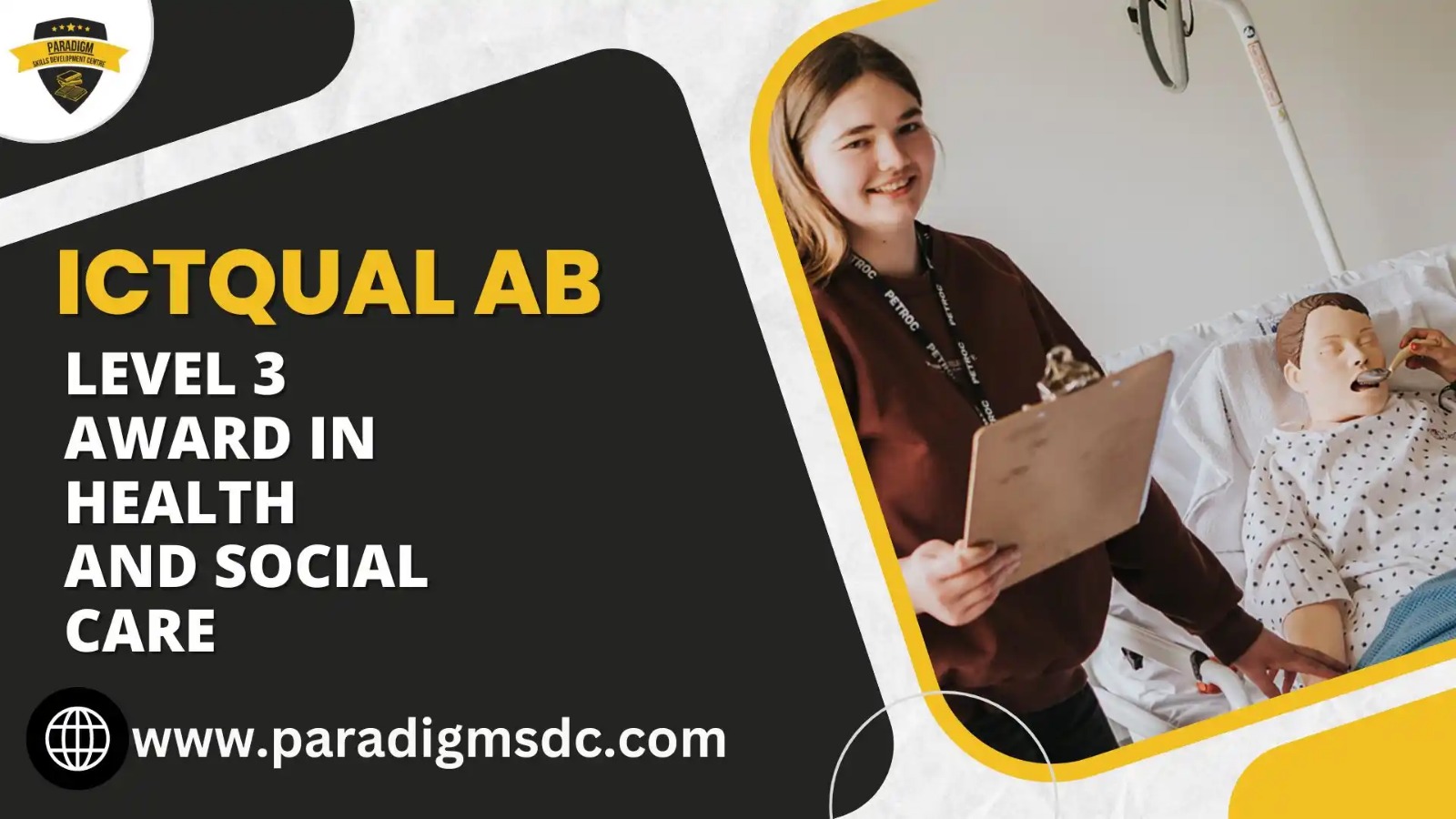
The ICTQual Level 3 Award in Health and Social Care is aimed at individuals who are passionate about making a difference in the lives of others. This course is ideal for those currently working in health and social care roles or those aspiring to enter the sector. The qualification provides learners with the knowledge and skills required to deliver high-quality care and support.
Course Overview
This comprehensive course covers various aspects of health and social care, ensuring that learners gain a well-rounded understanding of the field. The course is structured to provide both theoretical knowledge and practical skills, making it suitable for a range of roles within the sector.
Course Study Units
The ICTQual Level 3 Award in Health and Social Care includes the following study units:
- Advanced Communication Skills in Health and Social Care
- Health Promotion and Public Health
- Care Planning and Coordination
- Managing Challenging Behaviors
- Supporting Individuals with Complex Needs
- Ethical and Legal Issues in Health and Social Care
- Health and Social Care Leadership and Management
- Research Methods in Health and Social Care
Learning Outcomes
Upon completing the ICTQual Level 3 Award in Health and Social Care, learners will be able to:
- Advanced Communication Skills in Health and Social Care:
- Demonstrate advanced verbal and non-verbal communication techniques when interacting with service users, colleagues, and other healthcare professionals.
- Apply therapeutic communication strategies to build rapport, establish trust, and enhance the therapeutic relationship with clients.
- Effectively manage challenging communication situations, such as conflicts or emotional distress, with empathy and professionalism.
- Adapt communication approaches to meet the diverse needs and preferences of individuals with complex physical, psychological, or social needs.
- Health Promotion and Public Health:
- Understand key principles and concepts of health promotion and public health, including determinants of health, health inequalities, and social determinants of health.
- Identify strategies for promoting healthy lifestyles, preventing disease and injury, and improving population health outcomes.
- Evaluate the effectiveness of health promotion interventions and campaigns in addressing public health challenges and reducing health disparities.
- Advocate for policies and initiatives that support health promotion and address social determinants of health within communities.
- Care Planning and Coordination:
- Develop comprehensive care plans that reflect the individual needs, preferences, and goals of service users, in collaboration with multidisciplinary teams.
- Implement effective care coordination strategies to ensure seamless delivery of services and continuity of care for individuals with complex health and social care needs.
- Monitor and evaluate the progress of care plans, making adjustments as necessary to optimize outcomes and enhance the quality of care.
- Communicate care plans clearly and effectively to service users, their families, and other relevant stakeholders, ensuring transparency and collaboration in care provision.
- Managing Challenging Behaviors:
- Identify triggers and underlying factors contributing to challenging behaviors in individuals receiving health and social care support.
- Apply evidence-based strategies and de-escalation techniques to manage challenging behaviors safely and effectively.
- Collaborate with multidisciplinary teams to develop personalized intervention plans aimed at addressing the root causes of challenging behaviors.
- Support individuals, their families, and caregivers in implementing proactive measures to prevent and mitigate challenging behaviors, promoting a supportive and therapeutic environment.
- Supporting Individuals with Complex Needs:
- Provide holistic and person-centered support to individuals with complex physical, psychological, or social needs, fostering autonomy, dignity, and empowerment.
- Advocate for the rights and preferences of individuals with complex needs, ensuring their voices are heard and their choices respected in care planning and decision-making processes.
- Collaborate with multidisciplinary teams and external agencies to coordinate integrated care and support services tailored to the individual’s unique circumstances.
- Monitor and review the effectiveness of support interventions, making adjustments as needed to optimize outcomes and improve quality of life.
- Ethical and Legal Issues in Health and Social Care:
- Understand ethical principles and values underpinning health and social care practice, including respect for autonomy, beneficence, non-maleficence, and justice.
- Apply ethical decision-making frameworks to resolve complex ethical dilemmas and conflicts of interest encountered in health and social care settings.
- Navigate legal frameworks, regulations, and professional standards governing health and social care practice, ensuring compliance and accountability.
- Recognize and respond appropriately to situations involving ethical and legal challenges, prioritizing the well-being and rights of individuals receiving care.
- Health and Social Care Leadership and Management:
- Demonstrate leadership qualities and management skills essential for effective leadership in health and social care settings, including strategic planning, team building, and conflict resolution.
- Apply principles of organizational behavior and change management to promote a positive workplace culture and drive continuous improvement in service delivery.
- Foster collaborative working relationships with stakeholders, promoting shared vision, values, and goals in pursuit of organizational excellence.
- Lead by example, inspiring and empowering others to achieve their full potential and uphold high standards of professionalism and ethical conduct.
- Research Methods in Health and Social Care:
- Understand key principles and concepts of research methodology relevant to health and social care practice, including research design, data collection methods, and data analysis techniques.
- Critically appraise research literature and evidence-based practice guidelines to inform decision-making and practice development in health and social care settings.
- Design and conduct research projects or quality improvement initiatives to address identified gaps in knowledge or practice, following ethical principles and regulatory requirements.
- Disseminate research findings effectively to relevant stakeholders, contributing to evidence-based practice, service improvement, and innovation in health and social care.
Course Benefits
The ICTQual Level 3 Award in Health and Social Care offers numerous benefits, including:
- Enhanced Knowledge and Skills: Gain a deeper understanding of health and social care practices.
- Career Advancement: Increase your employability and open up opportunities for career progression.
- Professional Development: Continuous learning and development to stay updated with industry standards.
- Improved Care Delivery: Equip yourself with the skills to provide high-quality care and support.
Who is This Course For?
This course is ideal for:
- Current Health and Social Care Workers: Individuals looking to enhance their knowledge and skills for career advancement.
- Aspiring Health and Social Care Professionals: Those seeking to enter the health and social care sector.
- Volunteers and Caregivers: Individuals providing care and support in various settings who want to formalize their training.
Future Progression
Upon successful completion of the ICTQual Level 3 Award in Health and Social Care, learners can pursue further qualifications and career advancements, such as:
- ICTQual Level 4 Diploma in Health and Social Care: Further specialization and advanced knowledge.
- Specialist Roles: Opportunities in areas like mental health, elderly care, or disability support.
- Leadership and Management: Progress into supervisory or managerial positions within the sector.
Conclusion
The ICTQual Level 3 Award in Health and Social Care is a valuable qualification for anyone looking to make a positive impact in the health and social care sector. With a comprehensive curriculum, practical skills development, and opportunities for career progression, this course is a stepping stone to a fulfilling and rewarding career. Invest in your future and the well-being of others by enrolling in this course today.