Course Introduction
The ICTQual Level 3 Award in Administering Emergency Medical Gases is a specialized qualification designed for professionals who are responsible for administering medical gases in emergency situations. This course provides critical skills and knowledge required to safely and effectively use medical gases, such as oxygen and nitrous oxide, in urgent care settings. It is tailored for those working in healthcare, emergency services, or high-risk environments where quick and accurate medical intervention is crucial.
Course Overview
This award focuses on equipping participants with the competencies needed to handle medical gases safely and effectively during emergencies. The curriculum covers both theoretical and practical aspects, ensuring that learners gain a comprehensive understanding of the procedures, equipment, and regulations related to medical gases. The course includes hands-on training to develop practical skills necessary for real-world application.
Course Study Units
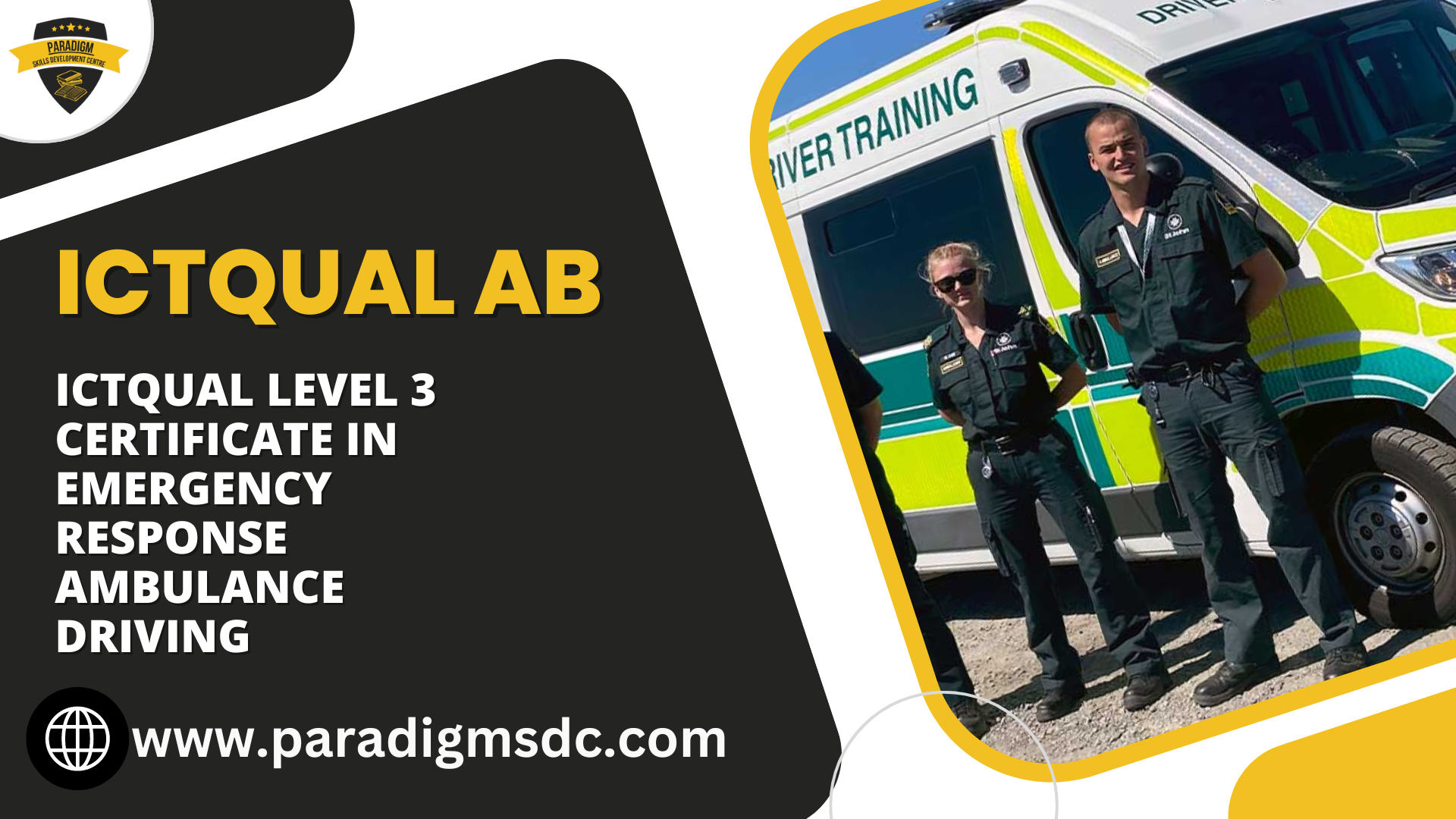
- Introduction to Emergency Response Driving
- Emergency Vehicle Operation
- Patient Care and Communication
- Emergency Response Protocols
- Vehicle Maintenance and Safety
- Legal and Ethical Considerations
- Emergency Response Scenarios
Learning Outcomes
Upon successful completion of this course, participants will be able to:
Introduction to Emergency Response Driving:
- Understanding of Emergency Driving Principles:
- Demonstrate knowledge of the principles and importance of emergency response driving.
- Explain the necessity of rapid and safe response in emergencies.
- Legal and Ethical Awareness:
- Identify and understand the legal and ethical considerations associated with emergency driving.
- Recognize the responsibilities and liabilities of emergency vehicle operators.
- Risk Management:
- Identify potential hazards and risks associated with emergency driving.
- Apply defensive driving techniques to mitigate risks and ensure safety.
Emergency Vehicle Operation:
- Vehicle Dynamics Understanding:
- Understand the unique dynamics and handling characteristics of emergency vehicles.
- Demonstrate proficiency in controlling and maneuvering emergency vehicles in various conditions.
- Vehicle Operation Skills:
- Develop practical skills in operating emergency vehicles, including acceleration, braking, and cornering.
- Execute vehicle control techniques to navigate through traffic safely and efficiently.
Patient Care and Communication:
- First Aid Proficiency:
- Demonstrate proficiency in basic first aid techniques for providing initial care to patients.
- Assess and address common medical emergencies encountered during transit.
- Communication Skills:
- Develop effective communication skills for interacting with patients, bystanders, and other emergency responders.
- Demonstrate empathy and compassion in patient interactions to provide reassurance and support.
Emergency Response Protocols:
- Protocol Familiarization:
- Understand emergency response protocols and procedures, including dispatch protocols and incident management systems.
- Identify the roles and responsibilities of ambulance drivers within the broader emergency response framework.
- Coordination and Collaboration:
- Coordinate effectively with dispatchers, medical personnel, and other emergency services to ensure a coordinated response.
- Collaborate with other responders to prioritize patient care and safety during emergencies.
Vehicle Maintenance and Safety:
- Vehicle Inspection and Maintenance:
- Conduct routine vehicle inspections and maintenance procedures to ensure vehicle readiness.
- Identify and address potential safety hazards or mechanical issues.
- Emergency Procedures:
- Demonstrate proficiency in emergency procedures for handling vehicle malfunctions or breakdowns during transit.
- Ensure the safety of passengers, crew, and other road users in emergencies.
Legal and Ethical Considerations:
- Legal Compliance:
- Understand and adhere to relevant laws, regulations, and standards governing emergency driving and patient care.
- Demonstrate awareness of legal responsibilities and liabilities associated with the role of ambulance driver.
- Ethical Conduct:
- Uphold ethical principles and professional conduct standards in all interactions and activities.
- Maintain confidentiality and privacy when handling patient information and sensitive data.
Emergency Response Scenarios:
- Practical Application:
- Apply learned skills and knowledge in simulated emergency response scenarios.
- Demonstrate the ability to make informed decisions and take appropriate actions under pressure.
- Critical Thinking and Problem-Solving:
- Analyze emergencies and develop effective response strategies.
- Adapt to changing circumstances and prioritize actions to ensure the safety and well-being of patients and the public.
Course Benefits
- Enhanced Skills: Gain practical and theoretical knowledge essential for administering medical gases effectively.
- Professional Development: Improve your qualifications and career prospects in healthcare or emergency services.
- Increased Confidence: Build confidence in handling medical gases during high-pressure situations.
- Compliance: Ensure adherence to safety regulations and standards, minimizing risk and improving patient care.
Who Is This Course For?
The ICTQual Level 3 Award in Administering Emergency Medical Gases is ideal for:
- Healthcare Professionals: Nurses, paramedics, and other medical staff who may need to administer medical gases.
- Emergency Responders: Individuals working in emergency services who require knowledge of medical gas administration.
- Safety Officers: Personnel responsible for ensuring safety protocols in environments where medical gases are used.
- Care Providers: Professionals in high-risk environments such as industrial sites or remote locations where emergency medical gas administration may be necessary.
Future Progression
Completing the ICTQual Level 3 Award in Administering Emergency Medical Gases opens up several career advancement opportunities, including:
- Specialist Roles: Pursue roles that require advanced knowledge of emergency medical procedures and equipment.
- Further Qualifications: Consider additional qualifications in related areas, such as advanced life support or emergency care management.
- Career Development: Enhance your professional profile and increase your employability in various healthcare and emergency response settings.
In conclusion, the ICTQual Level 3 Award in Administering Emergency Medical Gases provides essential training for professionals who need to handle medical gases effectively in emergencies. By equipping participants with both the knowledge and practical skills required, this course helps ensure that they are well-prepared to manage medical gases safely and efficiently, ultimately contributing to better patient outcomes and enhanced emergency care.