Course Introduction
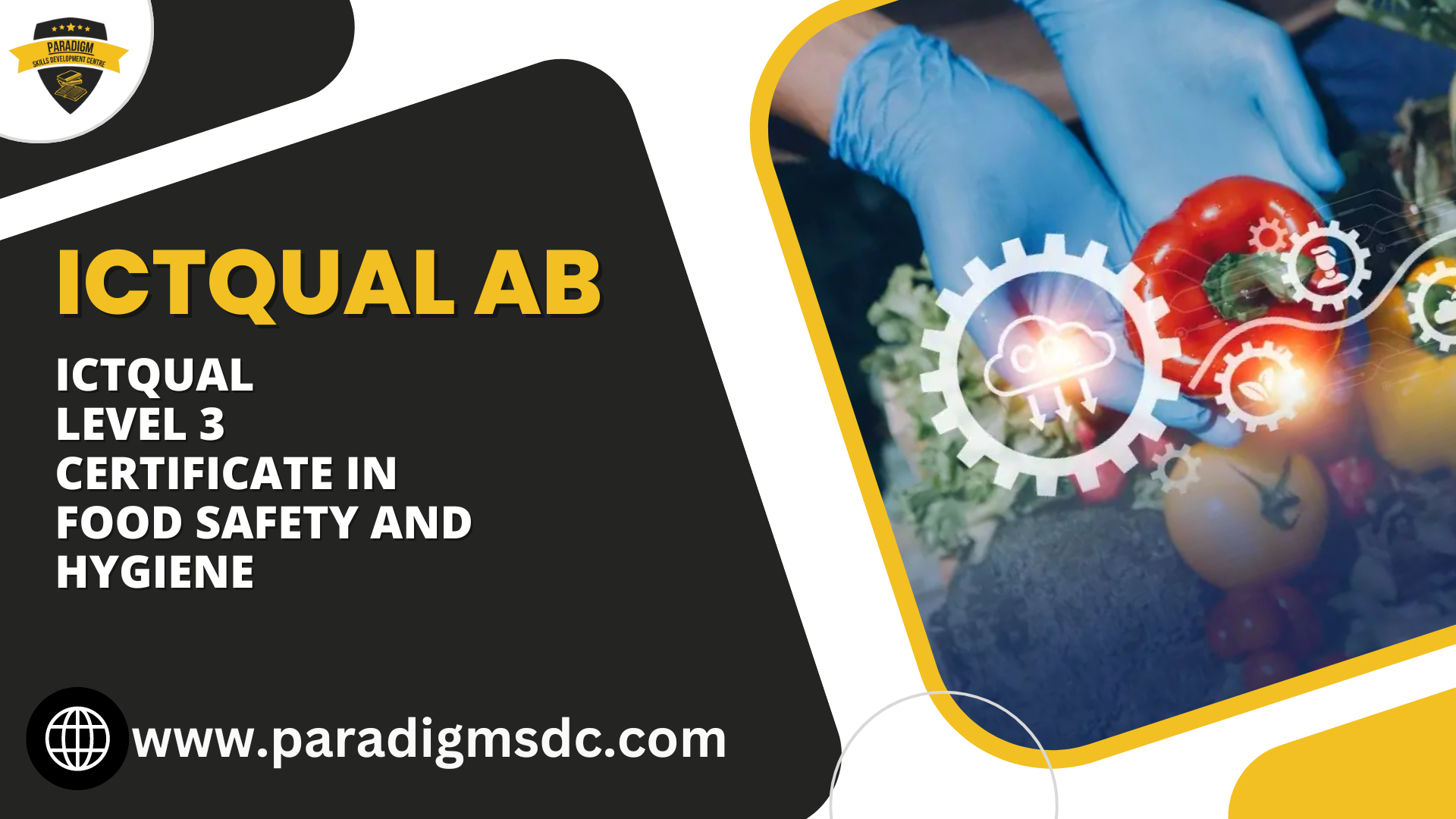
The ICTQual Level 3 Certificate in Food Safety and Hygiene is a comprehensive program aimed at providing participants with a thorough understanding of food safety principles and practices. This course is ideal for those in supervisory roles or those aspiring to such positions within the food industry. It covers essential topics such as food safety management, hazard analysis, and the implementation of effective hygiene practices.
Course Overview
The course offers a blend of theoretical knowledge and practical skills necessary for managing food safety in various settings. It is structured to provide in-depth insights into the legal and regulatory aspects of food safety, as well as the latest industry best practices. Participants will engage in interactive learning sessions, case studies, and practical exercises to reinforce their understanding.
Course Study Units
- Introduction to Food Safety and Hygiene Principles
- Food Safety Management Systems
- Food Safety Legislation and Compliance
- Food Preservation and Storage
- Hygienic Food Preparation and Handling
- Managing Food Safety Risks in Catering and Hospitality
- Food Safety Culture and Communication
Learning Outcomes
Upon completing the course, participants will be able to:
- Introduction to Food Safety and Hygiene Principles:
- Understand the basic principles of food safety and hygiene.
- Identify common foodborne illnesses and their causes.
- Recognize the importance of personal hygiene in food handling.
- Demonstrate knowledge of safe food handling practices.
- Food Safety Management Systems:
- Understand the components of food safety management systems (FSMS).
- Analyze different types of FSMS and their applications.
- Evaluate the effectiveness of FSMS in preventing foodborne illnesses.
- Develop strategies for implementing FSMS in various food-related settings.
- Food Safety Legislation and Compliance:
- Identify key food safety regulations and legislation at local, national, and international levels.
- Understand the roles and responsibilities of regulatory bodies in ensuring food safety.
- Analyze the impact of non-compliance with food safety regulations on public health and businesses.
- Develop strategies for ensuring compliance with food safety legislation.
- Food Preservation and Storage:
- Understand the principles of food preservation and storage.
- Identify different methods of food preservation and their applications.
- Demonstrate knowledge of proper food storage techniques to prevent spoilage and contamination.
- Evaluate the effectiveness of various food preservation methods in maintaining food safety.
- Hygienic Food Preparation and Handling:
- Demonstrate understanding of hygienic food preparation practices.
- Identify potential sources of contamination during food preparation and handling.
- Implement proper sanitation procedures in food preparation areas.
- Develop skills for maintaining hygiene throughout the food preparation process.
- Managing Food Safety Risks in Catering and Hospitality:
- Identify specific food safety risks associated with catering and hospitality operations.
- Develop risk management strategies to mitigate food safety hazards.
- Implement procedures for ensuring food safety in catering and hospitality settings.
- Evaluate the effectiveness of risk management strategies in minimizing foodborne illness risks.
- Food Safety Culture and Communication:
- Understand the concept of food safety culture and its importance in ensuring food safety.
- Identify factors that influence food safety culture within an organization.
- Develop strategies for promoting a positive food safety culture among staff.
- Communicate effectively about food safety policies, procedures, and practices within an organization.
Course Benefits
- Enhanced Knowledge: Gain advanced understanding of food safety and hygiene principles.
- Career Advancement: Increase your qualifications for supervisory and managerial roles in the food industry.
- Regulatory Compliance: Ensure compliance with food safety laws and regulations.
- Practical Skills: Develop hands-on skills to manage and improve food safety practices.
- Professional Recognition: Earn a recognized certification that enhances your credibility in the food industry.
Who is This Course For?
- Food Industry Supervisors: Individuals in supervisory roles responsible for managing food safety.
- Aspiring Managers: Those aiming to move into supervisory or managerial positions within the food industry.
- Food Safety Professionals: Professionals seeking to update their knowledge and skills in food safety and hygiene.
- Catering and Hospitality Staff: Individuals working in catering, hospitality, and food service sectors.
Future Progression
Upon completing the ICTQual Level 3 Certificate in Food Safety and Hygiene, participants may choose to pursue further qualifications such as:
- ICTQual Level 4 Certificate in Food Safety Management: For advanced food safety management skills.
- ICTQual Diploma in Food Safety and Quality Assurance: For a comprehensive understanding of food safety and quality control.
- Specialized Training Courses: In areas such as allergen management, food microbiology, and HACCP auditing.
Enhance your expertise and career prospects in the food industry with the ICTQual Level 3 Certificate in Food Safety and Hygiene. Enroll today and take the next step in ensuring the highest standards of food safety and hygiene in your workplace.