Course Introduction
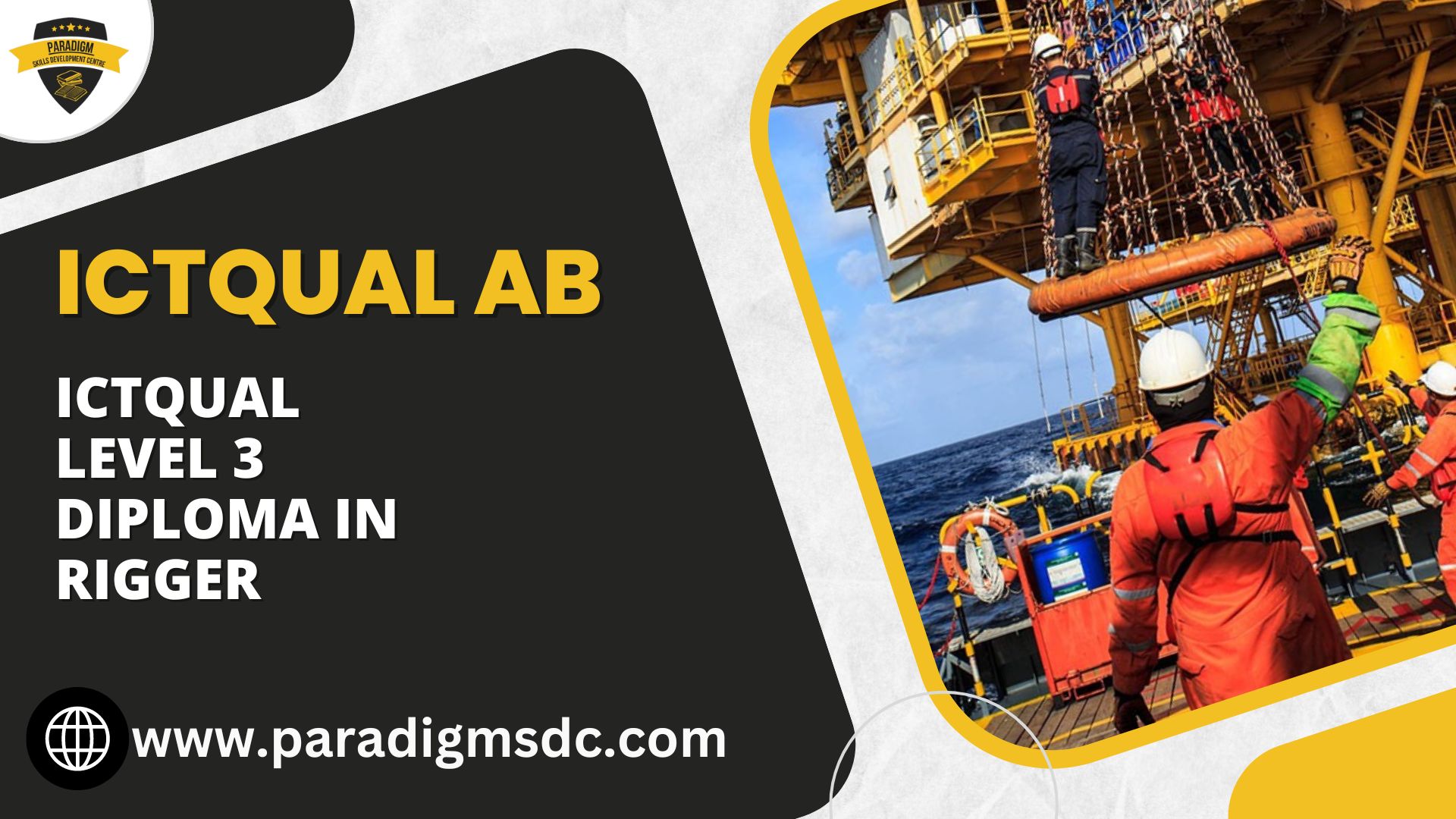
The ICTQual Level 3 Diploma in Rigger is a comprehensive program designed to equip participants with advanced skills and knowledge required for professional rigging. This course is tailored to meet industry standards, ensuring that participants are well-prepared to handle complex rigging tasks in various sectors, including construction, entertainment, and offshore industries.
Course Overview
The ICTQual Level 3 Diploma in Rigger provides in-depth training on the principles and practices of rigging. The course combines theoretical knowledge with practical skills, offering a balanced approach to learning. Participants will engage in hands-on training, simulations, and real-world applications to gain a thorough understanding of rigging operations and safety protocols.
Course Study Units
- Introduction to Rigging
- Health and Safety in Rigging
- Rigging Equipment and Tools
- Basic Principles of Rigging
- Working at Heights
- Installation Techniques
- Communication and Teamwork
- Legal and Regulatory Compliance
- Advanced Rigging Techniques
Learning Outcomes
Upon completing the ICTQual Level 3 Diploma in Rigger, participants will:
Advanced Rigging Techniques:
- Apply advanced rigging methods for complex lifting scenarios, ensuring safety and efficiency.
- Select and utilize specialized rigging equipment for intricate lifting tasks.
- Develop and implement rigging plans for non-standard lifting operations.
2. Introduction to Rigging:
- Demonstrate a comprehensive understanding of advanced rigging principles and terminology.
- Identify different types of rigging equipment and their applications.
- Explain the basic calculations involved in simple lifting operations.
3. Health and Safety in Rigging:
- Implement and enforce strict safety protocols during complex rigging projects.
- Identify and mitigate potential hazards associated with advanced rigging techniques.
- Utilize personal protective equipment (PPE) appropriately in various rigging scenarios.
4. Rigging Equipment and Tools:
- Demonstrate proper inspection and maintenance procedures for advanced rigging equipment.
- Select the most suitable rigging gear for specific lifting tasks based on load capacity and lifting requirements.
- Operate and maintain specialized rigging tools safely and effectively.
5. Basic Principles of Rigging:
- Apply fundamental rigging principles to complex lifting situations (may include a focus on advanced load calculations compared to introductory courses).
- Analyze forces acting on loads during lifting operations.
- Select appropriate slings and lifting attachments based on load characteristics.
6. Working at Heights:
- Demonstrate safe working practices when working at elevated heights specific to rigging operations.
- Apply fall arrest and rescue techniques relevant to rigging scenarios.
- Set up and inspect fall protection equipment according to regulations.
7. Installation Techniques:
- Implement advanced lifting techniques for installing complex structures or equipment.
- Select and utilize appropriate rigging methods for specific installation requirements.
- Ensure the safe and secure installation of loads using advanced rigging procedures.
8. Communication and Teamwork:
- Effectively communicate complex lifting plans and procedures to team members.
- Lead and coordinate rigging operations, ensuring clear communication and collaboration.
- Resolve communication challenges that may arise during rigging projects.
9. Legal and Regulatory Compliance:
- Identify and interpret relevant legislation and regulations governing rigging operations in your region.
- Ensure rigging projects comply with all applicable safety standards and regulations.
- Maintain accurate documentation for rigging operations.
Course Benefits
- Comprehensive Training: Gain in-depth knowledge and practical skills essential for advanced rigging tasks.
- Industry-Relevant Skills: Learn techniques and practices that meet current industry standards.
- Safety Focus: Emphasize safety protocols to ensure a safe working environment.
- Hands-On Experience: Participate in practical projects and simulations to apply learned concepts.
- Career Advancement: Enhance employability and open up opportunities for higher-level positions in the rigging field.
Who is this Course For?
The ICTQual Level 3 Diploma in Rigger is ideal for:
- Experienced riggers looking to advance their skills and knowledge.
- Professionals in the construction, entertainment, and offshore industries.
- Individuals seeking to transition into a rigging career with a focus on advanced operations.
- Safety officers and supervisors who need a deeper understanding of rigging safety and practices.
Future Progression
Upon completing the ICTQual Level 3 Diploma in Rigger, participants can pursue various career paths and further educational opportunities, such as:
- Advanced Rigging Roles: Take on higher-level responsibilities in complex rigging operations.
- Specialized Certifications: Obtain additional certifications in crane operations, safety management, and other related fields.
- Leadership Positions: Move into supervisory or management roles within rigging teams.
- Continued Education: Enroll in advanced courses and diplomas to further specialize and enhance expertise in specific rigging areas.
The ICTQual Level 3 Diploma in Rigger provides a solid foundation for those looking to excel in the rigging profession, offering the skills and knowledge needed to perform at the highest levels of the industry.