Course Introduction
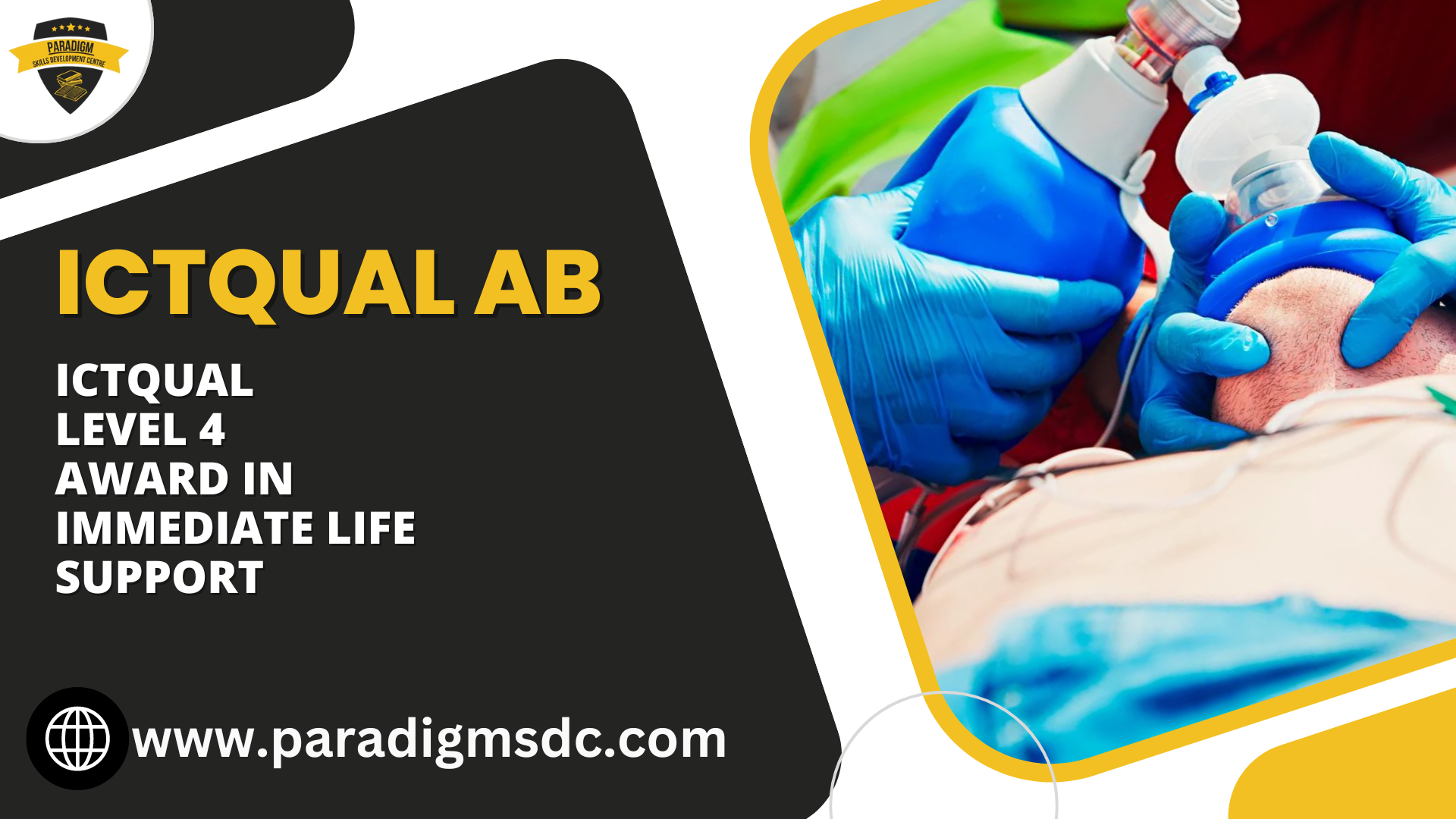
The ICTQual Level 4 Award in Immediate Life Support (ILS) is an essential training program designed for healthcare professionals and first responders who are responsible for providing life-saving care in emergency situations. This advanced course equips learners with the critical skills and knowledge needed to manage patients experiencing acute medical emergencies effectively. Whether you are working in a hospital, clinic, or pre-hospital setting, the ILS certification is a crucial qualification for ensuring the highest standard of patient care.
Course Overview
The ICTQual Level 4 ILS course combines theoretical learning with practical exercises to ensure participants gain a comprehensive understanding of immediate life support techniques. The program is designed to be interactive, with simulations and hands-on practice playing a key role in the learning process. Throughout the course, learners will be trained in advanced resuscitation procedures, effective teamwork, and the management of critically ill patients.
Course Study Units
- Basic Life Support (BLS)
- Advanced Life Support (ALS)
- Pediatric Life Support
- Trauma Life Support
- Medical Emergencies and Special Situations
Learning Outcomes
Upon completing the ICTQual Level 4 ILS course, learners will be able to:
Basic Life Support (BLS)
- Demonstrate proficiency in performing high-quality cardiopulmonary resuscitation (CPR) for adults, children, and infants.
- Effectively use an Automated External Defibrillator (AED) in simulated cardiac arrest scenarios.
- Recognize the signs of cardiac arrest and initiate the Chain of Survival promptly.
- Perform airway management techniques, including the head tilt-chin lift and jaw thrust maneuvers.
- Execute rescue breathing and manage choking incidents using appropriate techniques.
Advanced Life Support (ALS)
- Apply advanced resuscitation protocols and algorithms in the management of cardiac arrest.
- Perform advanced airway management, including endotracheal intubation and the use of supraglottic airway devices.
- Administer resuscitation drugs accurately, understanding their indications, dosages, and effects.
- Identify and treat shockable and non-shockable rhythms, using defibrillation and pharmacological interventions as needed.
- Demonstrate effective team dynamics, including leadership, communication, and role allocation during resuscitation efforts.
Pediatric Life Support
- Recognize and manage respiratory distress and failure in pediatric patients.
- Differentiate between adult and pediatric CPR techniques and apply the correct compression-to-ventilation ratios.
- Utilize pediatric-specific AED pads and energy settings appropriately in resuscitation scenarios.
- Assess and treat common pediatric emergencies, such as choking, drowning, and anaphylaxis.
- Calculate and administer pediatric drug dosages accurately during resuscitation efforts.
Trauma Life Support
- Conduct a Primary Survey to rapidly assess and manage trauma patients.
- Identify and treat life-threatening injuries, including airway compromise, tension pneumothorax, and hemorrhagic shock.
- Apply advanced trauma life support principles, such as rapid sequence intubation and permissive hypotension.
- Perform techniques for controlling external hemorrhage, including the application of limb tourniquets.
- Collaborate effectively with multidisciplinary teams during the transfer and handover of trauma patients to definitive care facilities.
Medical Emergencies and Special Situations
- Assess and manage common medical emergencies, including myocardial infarction, stroke, and diabetic emergencies.
- Recognize and treat special situations, such as opioid overdose, anaphylaxis, and environmental emergencies (e.g., hypothermia, heatstroke).
- Integrate advanced monitoring tools, such as capnography and pulse oximetry, into patient assessment and management.
- Collaborate with allied healthcare professionals to manage complex medical emergencies, ensuring comprehensive and coordinated care.
- Utilize critical decision-making skills and interdisciplinary teamwork in responding to diverse emergency scenarios effectively.
Course Benefits
- Enhanced Skills: Acquire advanced life support skills critical for managing emergencies.
- Career Advancement: Increase your qualifications for roles requiring advanced medical response capabilities.
- Improved Patient Outcomes: Contribute to better patient outcomes through effective and timely interventions.
- Certification: Gain a recognized qualification that validates your expertise in immediate life support.
- Professional Development: Continuously improve your medical skills and knowledge through ongoing education.
Who is this Course For?
The ICTQual Level 4 Award in Immediate Life Support is ideal for:
- Healthcare professionals, including doctors, nurses, and paramedics.
- First responders and emergency medical technicians (EMTs).
- Medical and nursing students seeking advanced training.
- Individuals working in high-risk environments where advanced medical response is required.
- Anyone with a basic life support certification looking to advance their skills.
Future Progression
After completing the ICTQual Level 4 ILS course, learners can pursue further specialization and advancement through:
- ICTQual Level 5 Diploma in Advanced Life Support
- Advanced practitioner courses in critical care and trauma management
- Certification in advanced cardiac life support (ACLS)
- Specialized training in pediatric advanced life support (PALS) and neonatal resuscitation
- Continued professional development opportunities in emergency and critical care
Prepare to save lives with the ICTQual Level 4 Award in Immediate Life Support. This course empowers you with the advanced skills and knowledge needed to respond effectively in critical situations, ensuring you can make a significant impact when it matters most.