Course Introduction
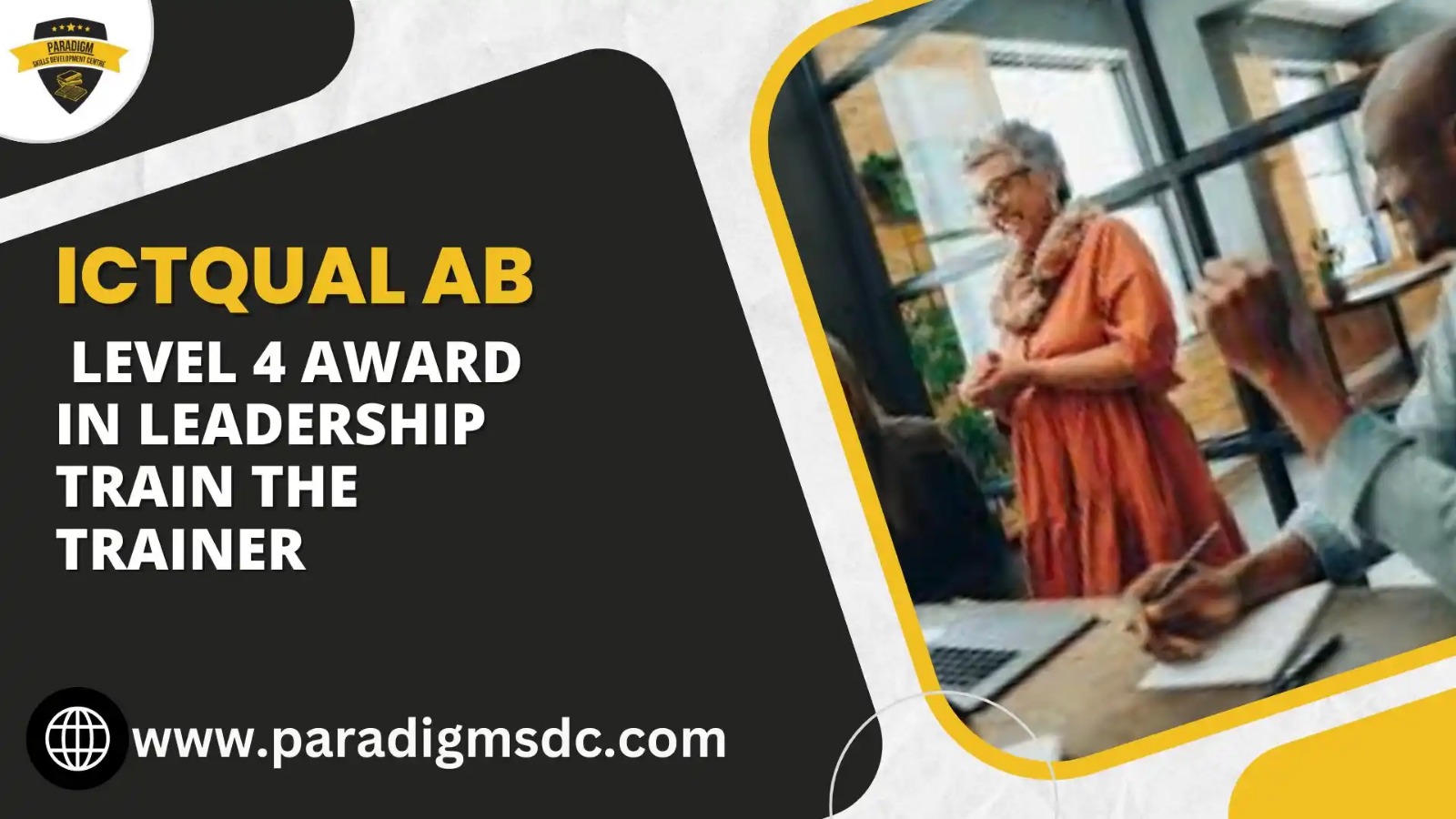
Effective leadership is the cornerstone of any successful organization. The ICTQual Level 4 Award in Leadership Train the Trainer course is designed to equip professionals with the skills and knowledge to train others in leadership principles and practices. This program aims to develop a cadre of proficient trainers who can inspire and cultivate leadership qualities in others, fostering a culture of excellence and innovation.
Course Overview
The ICTQual Level 4 Award in Leadership Train the Trainer is a comprehensive program that covers key aspects of leadership development. This course combines theoretical knowledge with practical applications, ensuring that participants can confidently train others in effective leadership strategies. The curriculum includes modules on understanding leadership theories, developing essential leadership skills, creating a vision, and managing change.
Course Study Units
- Foundations of Leadership Training
- Communication Skills for Trainers
- Leadership Development Strategies
- Team Dynamics and Collaboration
- Conflict Resolution and Negotiation
- Strategic Leadership and Decision-Making
- Motivation and Employee Engagement
- Coaching and Mentoring
- Leadership Ethics and Integrity
- Training Design and Delivery
- Assessment and Feedback
- Continuous Professional Development
Learning Outcomes
Upon completion of the course, participants will be able to:
- Foundations of Leadership Training
- Understand key leadership principles, theories, and models.
- Identify the different styles of leadership and their applications in various contexts.
- Recognize the importance of effective leadership in achieving organizational goals and driving success.
- Communication Skills for Trainers
- Develop clear and concise communication skills for delivering effective training sessions.
- Enhance active listening abilities to understand participant needs and concerns.
- Utilize non-verbal communication cues to enhance message delivery and engagement.
- Leadership Development Strategies
- Design leadership development programs that align with organizational goals and objectives.
- Identify leadership competencies and create tailored development plans for individuals or teams.
- Implement strategies to foster leadership growth and cultivate a pipeline of future leaders.
- Team Dynamics and Collaboration
- Understand the dynamics of team behavior and group processes.
- Foster collaboration and cohesion within teams to achieve common goals.
- Facilitate effective teamwork through communication, trust-building, and conflict resolution.
- Conflict Resolution and Negotiation
- Apply effective conflict resolution techniques to manage and resolve conflicts constructively.
- Utilize negotiation strategies to reach mutually beneficial outcomes in challenging situations.
- Maintain professional relationships and manage conflicts while preserving team harmony.
- Strategic Leadership and Decision-Making
- Develop strategic thinking skills to analyze situations, identify opportunities, and make informed decisions.
- Lead organizational change initiatives and navigate through uncertainty with confidence.
- Apply strategic leadership principles to drive innovation, growth, and sustainable business success.
- Motivation and Employee Engagement
- Understand motivational theories and techniques to inspire and engage team members.
- Create a positive work environment that fosters motivation, enthusiasm, and commitment.
- Implement strategies to increase employee satisfaction, productivity, and retention.
- Coaching and Mentoring
- Utilize coaching techniques to support individual development and enhance leadership skills.
- Establish effective mentoring relationships to provide guidance, support, and feedback.
- Foster a culture of continuous learning and professional growth within the organization.
- Leadership Ethics and Integrity
- Demonstrate ethical leadership behaviors that uphold integrity, honesty, and fairness.
- Adhere to ethical standards and values in decision-making and actions.
- Lead by example and inspire trust and confidence among team members and stakeholders.
- Training Design and Delivery
- Design and deliver engaging training sessions that meet the needs of diverse learners.
- Develop training materials and resources that effectively convey key concepts and skills.
- Evaluate the effectiveness of training programs and make improvements based on feedback and assessment results.
- Assessment and Feedback
- Assess participant learning and competency through various evaluation methods.
- Provide constructive feedback and coaching to support participant development and growth.
- Use assessment data to measure training effectiveness and make data-driven decisions for improvement.
- Continuous Professional Development
- Engage in lifelong learning and professional development activities to stay updated with emerging trends and best practices.
- Reflect on personal learning goals and progress to continually enhance leadership capabilities.
- Demonstrate a commitment to continuous improvement and growth as a leader and trainer.
Course Benefits
- Enhanced Knowledge: Gain a thorough understanding of leadership principles and practices.
- Professional Development: Enhance your credentials and career prospects in management and leadership roles.
- Practical Skills: Acquire practical training skills that can be applied in various organizational settings.
- Impactful Training: Learn to design and deliver training sessions that lead to significant improvements in leadership capabilities.
- Networking Opportunities: Connect with other professionals dedicated to leadership development.
Who is this Course For?
This course is ideal for:
- Managers and supervisors looking to develop their leadership training skills.
- Human resources professionals responsible for leadership development programs.
- Trainers and educators in corporate and organizational development.
- Organizational leaders and executives.
- Anyone committed to enhancing leadership capabilities within their organization.
Future Progression
Upon completing the ICTQual Level 4 Award in Leadership Train the Trainer, participants can pursue further qualifications and career advancements, such as:
- Advanced certifications in leadership and management.
- Leadership roles in organizational development and corporate training.
- Opportunities to contribute to leadership policy development and implementation.
- Specialized training roles in larger organizations or consultancy firms.
Investing in the ICTQual Level 4 Award in Leadership Train the Trainer is a crucial step towards becoming a leader in leadership education. By gaining the expertise to train others, you will help ensure that leadership standards are upheld, ultimately contributing to more effective, innovative, and successful organizations.