Course Introduction
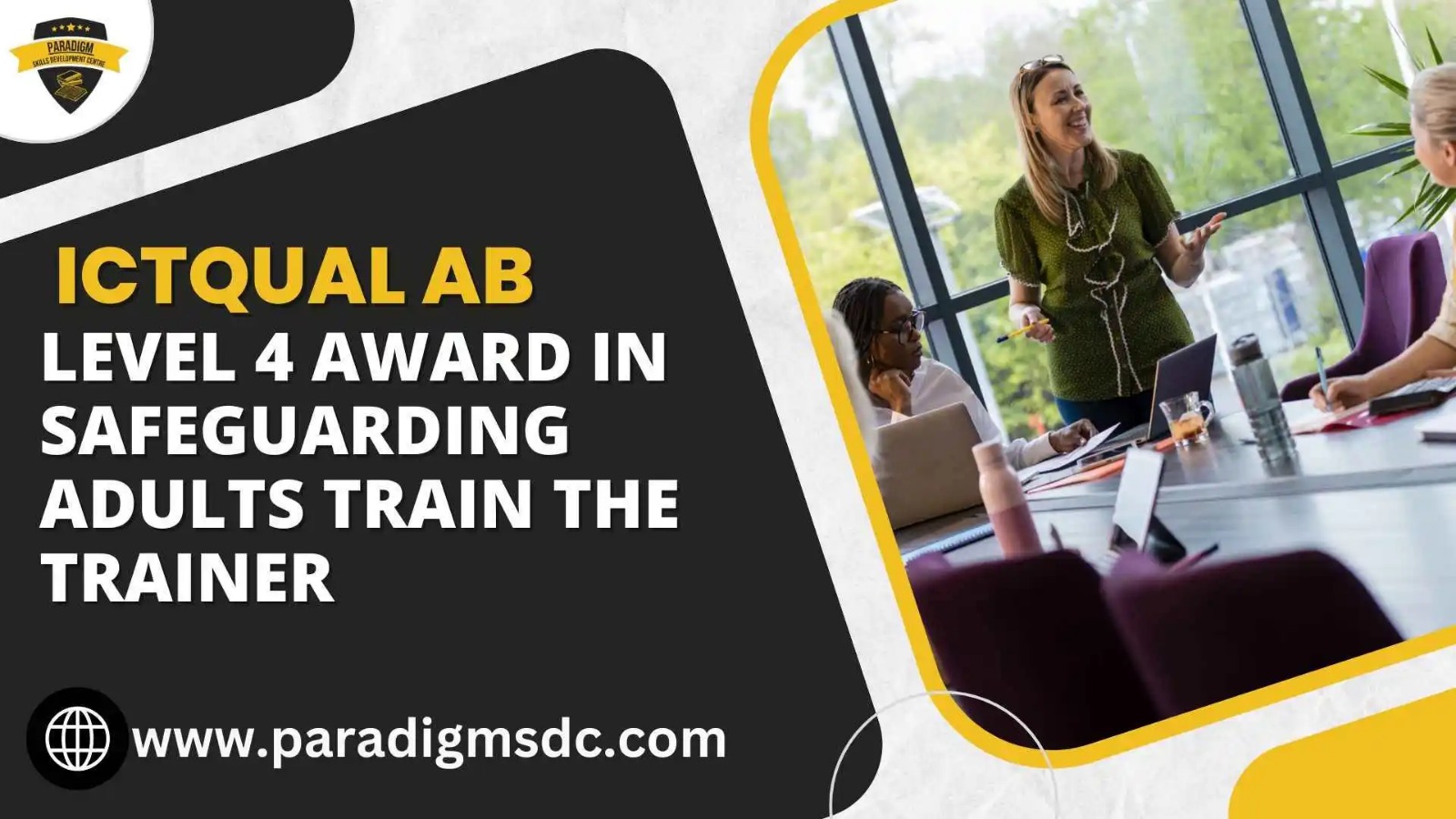
The ICTQual Level 4 Award in Safeguarding Children Train the Trainer is an advanced qualification designed to equip professionals with the skills and knowledge needed to train others in safeguarding children. This course is essential for those who are passionate about protecting children and want to take a proactive role in educating others on this critical subject.
Course Overview
This comprehensive course delves into the intricacies of child safeguarding, ensuring that trainers are well-prepared to teach others effectively. It covers various aspects of safeguarding, from identifying signs of abuse and neglect to understanding legislation and best practices in child protection. The ICTQual Level 4 Award emphasizes both theoretical knowledge and practical skills, making it an ideal choice for those seeking to make a tangible difference in the field of child protection.
Course Study Units
- Introduction to Safeguarding Children
- Safeguarding Procedures and Risk Assessment
- Communication and Interviewing Skills
- Child Development and Impact of Abuse
- Legal and Ethical Considerations in Safeguarding
- Designing and Delivering Safeguarding Training
- Assessing Learners and Evaluating Training Effectiveness
- Safeguarding Policy Development and Implementation
- Reflective Practice and Continuous Improvement
Learning Outcomes
By the end of the course, learners will be able to:
- Introduction to Safeguarding Children:
- Understand the concept of safeguarding and its importance in protecting children from harm.
- Identify different forms of child abuse and neglect, along with signs and indicators.
- Explain relevant legislation, policies, and guidance related to safeguarding children.
- Safeguarding Procedures and Risk Assessment:
- Apply safeguarding procedures and protocols effectively in responding to concerns or disclosures of abuse.
- Conduct comprehensive risk assessments to identify potential risks to children and determine appropriate interventions.
- Demonstrate knowledge of multi-agency collaboration and partnership working in safeguarding children.
- Communication and Interviewing Skills:
- Develop effective communication skills for engaging with children, families, and professionals in safeguarding contexts.
- Apply interviewing techniques to gather information and assess child welfare concerns sensitively and effectively.
- Demonstrate proficiency in communicating safeguarding issues with children and families.
- Child Development and Impact of Abuse:
- Understand child development stages and milestones and recognize how abuse and neglect can impact children’s physical, emotional, and cognitive development.
- Identify the long-term consequences of abuse and neglect on children’s well-being and future outcomes.
- Implement strategies to support children who have experienced trauma and promote resilience.
- Legal and Ethical Considerations in Safeguarding:
- Analyze legal and ethical frameworks governing safeguarding practice, including confidentiality, consent, and duty of care.
- Apply statutory requirements and organizational policies to safeguarding decision-making processes.
- Resolve ethical dilemmas and ensure compliance with legal obligations in safeguarding practice.
- Designing and Delivering Safeguarding Training:
- Develop comprehensive training plans and objectives for delivering effective safeguarding training to professionals and volunteers.
- Design engaging training materials, resources, and activities that facilitate active learning and participation.
- Deliver safeguarding training sessions using a variety of teaching methods and techniques.
- Assessing Learners and Evaluating Training Effectiveness:
- Plan and conduct assessments to evaluate learners’ understanding and application of safeguarding principles.
- Provide constructive feedback to learners and support their ongoing development.
- Evaluate the effectiveness of safeguarding training interventions and identify areas for improvement.
- Safeguarding Policy Development and Implementation:
- Develop safeguarding policies and procedures tailored to the specific needs and context of organizations and settings.
- Implement safeguarding policies effectively and promote a culture of vigilance and accountability within organizations.
- Monitor and review safeguarding practices to ensure compliance with legal requirements and best practice standards.
- Reflective Practice and Continuous Improvement:
- Engage in reflective practice to critically evaluate personal and professional effectiveness in safeguarding children.
- Identify strengths and areas for improvement in safeguarding practice and training delivery.
- Develop action plans for ongoing professional development and continuous improvement in safeguarding practice.
Course Benefits
- Enhanced Knowledge: Gain a deep understanding of safeguarding children and the associated legislation.
- Practical Skills: Develop the ability to deliver high-quality training sessions that make a real impact.
- Professional Development: Enhance your career prospects and professional credibility in the field of child protection.
- Network Opportunities: Connect with other professionals passionate about safeguarding, fostering collaboration and support.
Who is this Course For?
This course is ideal for:
- Experienced safeguarding professionals looking to advance their careers.
- Teachers and educational professionals responsible for child protection training.
- Social workers and healthcare professionals involved in safeguarding children.
- Anyone passionate about protecting children and keen to educate others on safeguarding practices.
Future Progression
Upon completing the ICTQual Level 4 Award in Safeguarding Children Train the Trainer, graduates can pursue various progression routes, including:
- Further qualifications in safeguarding and child protection, such as Level 5 or higher awards.
- Specializing in specific areas of safeguarding, such as online safety or mental health.
- Leadership roles in safeguarding within organizations.
- Developing and delivering bespoke safeguarding training programs for different audiences.
This course is a pivotal step for anyone committed to making a difference in the lives of children by ensuring they are protected and supported through robust safeguarding practices.
4o