Course Introduction
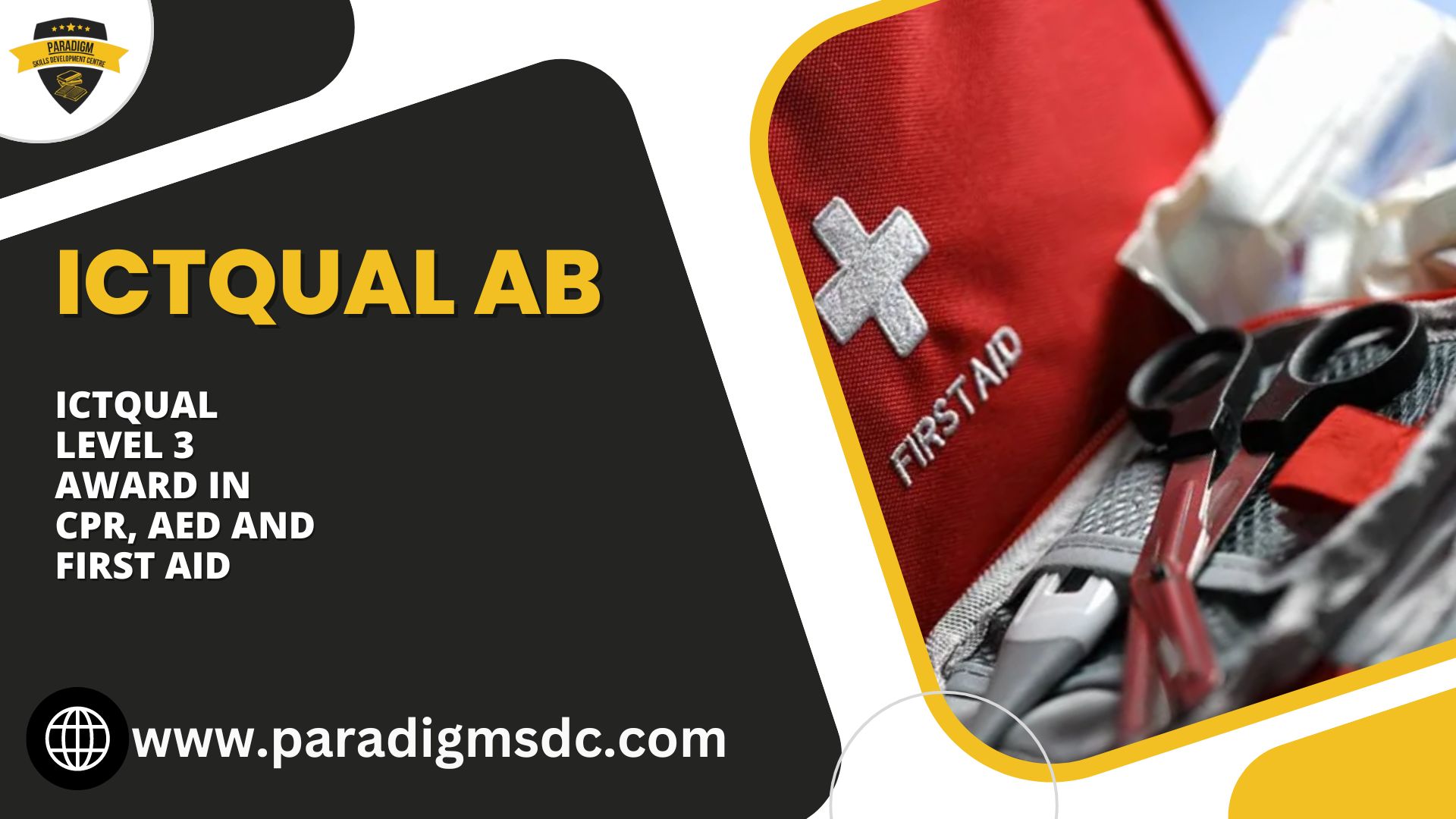
In emergency situations, the ability to provide immediate and effective first aid can be the difference between life and death. The ICTQual Level 3 Award in CPR, AED, and First Aid is designed to equip learners with essential lifesaving skills and knowledge. This course is crucial for anyone who may need to respond to emergency situations, ensuring they can perform cardiopulmonary resuscitation (CPR), use an automated external defibrillator (AED), and administer first aid confidently and competently.
Course Overview
The ICTQual Level 3 Award in CPR, AED, and First Aid offers comprehensive training on the principles and practices of emergency response. It covers key areas such as basic life support, the use of AEDs, and a wide range of first aid techniques. The course ensures that learners are prepared to handle various emergency scenarios, providing immediate care until professional medical help arrives.
Course Study Units
The course is divided into several detailed study units, each focusing on critical aspects of emergency response:
- Introduction to First Aid
- Cardiopulmonary Resuscitation (CPR)
- Automated External Defibrillator (AED) Use
- Managing Wounds and Bleeding
- Dealing with Burns and Scalds
- Fractures and Dislocations
- Choking
- Medical Conditions and Emergencies
- Secondary Survey
- Record Keeping and Reporting
Learning Outcomes
Upon completing this course, learners will be able to:
Introduction to First Aid
- Understanding First Aid:
- Define the concept and importance of first aid.
- Explain the legal and ethical considerations associated with providing first aid.
- Role and Responsibilities:
- Understand the responsibilities of a first aider, including ensuring personal safety and the safety of others.
- Primary Survey:
- Conduct a primary survey (ABC – airway, breathing, and circulation).
- Assess the scene of an emergency and prioritize actions accordingly.
Cardiopulmonary Resuscitation (CPR)
- CPR Techniques:
- Perform effective chest compressions and rescue breaths on adults, children, and infants.
- Understanding CPR:
- Explain the importance of CPR in maintaining circulation and oxygenation during cardiac arrest.
- Recovery Position:
- Demonstrate how to place an unconscious but breathing individual in the recovery position.
Automated External Defibrillator (AED) Use
- AED Operation:
- Safely operate an AED and follow correct procedures for its use.
- Recognition of Cardiac Arrest:
- Identify when to use an AED and recognize signs of cardiac arrest.
- Post-Resuscitation Care:
- Provide appropriate care for a patient following the use of an AED.
Managing Wounds and Bleeding
- Wound Management:
- Assess and manage different types of wounds, including controlling bleeding and preventing infection.
- Shock Management:
- Recognize and manage shock resulting from severe bleeding.
Dealing with Burns and Scalds
- Burn Assessment:
- Assess the severity of burns and provide appropriate first aid treatment.
- Immediate Treatment:
- Apply first aid measures to minimize damage and reduce the risk of infection.
Fractures and Dislocations
- Fracture Identification:
- Recognize signs and symptoms of fractures and dislocations.
- Immobilization Techniques:
- Apply appropriate immobilization techniques to prevent further injury.
Choking
- Choking Recognition and Management:
- Recognize the signs of choking in adults, children, and infants.
- Perform the Heimlich maneuver or back blows as appropriate to relieve choking.
Medical Conditions and Emergencies
- Medical Emergency Response:
- Respond effectively to common medical emergencies such as asthma attacks, diabetic emergencies, seizures, and anaphylaxis.
- Use of Epinephrine Auto-Injector:
- Administer epinephrine safely to individuals experiencing severe allergic reactions.
Secondary Survey
- Detailed Assessment:
- Conduct a systematic secondary survey, including a head-to-toe assessment.
- History Taking:
- Gather relevant medical history and information about the incident.
Record Keeping and Reporting
- Documentation:
- Understand the importance of accurate record-keeping in first aid.
- Reporting Procedures:
- Follow appropriate procedures for reporting incidents and maintaining first aid records.
Course Benefits
- Lifesaving Skills: Gain essential skills to respond effectively in emergency situations.
- Practical Knowledge: Develop hands-on experience with CPR, AED use, and first aid techniques.
- Professional Development: Enhance your credentials and increase your employability in various settings.
- Confidence: Build confidence in your ability to provide immediate care in emergencies.
- Preparedness: Be prepared to handle a wide range of medical emergencies and injuries.
Who is this Course For?
This course is ideal for:
- Healthcare professionals and support staff
- Teachers and educational staff
- Fitness instructors and sports coaches
- Workplace first aiders
- Community volunteers and caregivers
- Anyone who wants to be prepared to respond to emergencies
Future Progression
Upon successful completion of the ICTQual Level 3 Award in CPR, AED, and First Aid, learners can progress to higher-level qualifications or specialized courses, such as:
- ICTQual Level 4 Award in Advanced First Aid
- ICTQual Level 4 Diploma in Health and Safety Management
- Specialized courses in emergency medical response, advanced life support, or paramedic training
By advancing your knowledge and skills in emergency response, you can take on more significant responsibilities in ensuring the safety and well-being of individuals in various settings, from workplaces to community environments.