Course Introduction
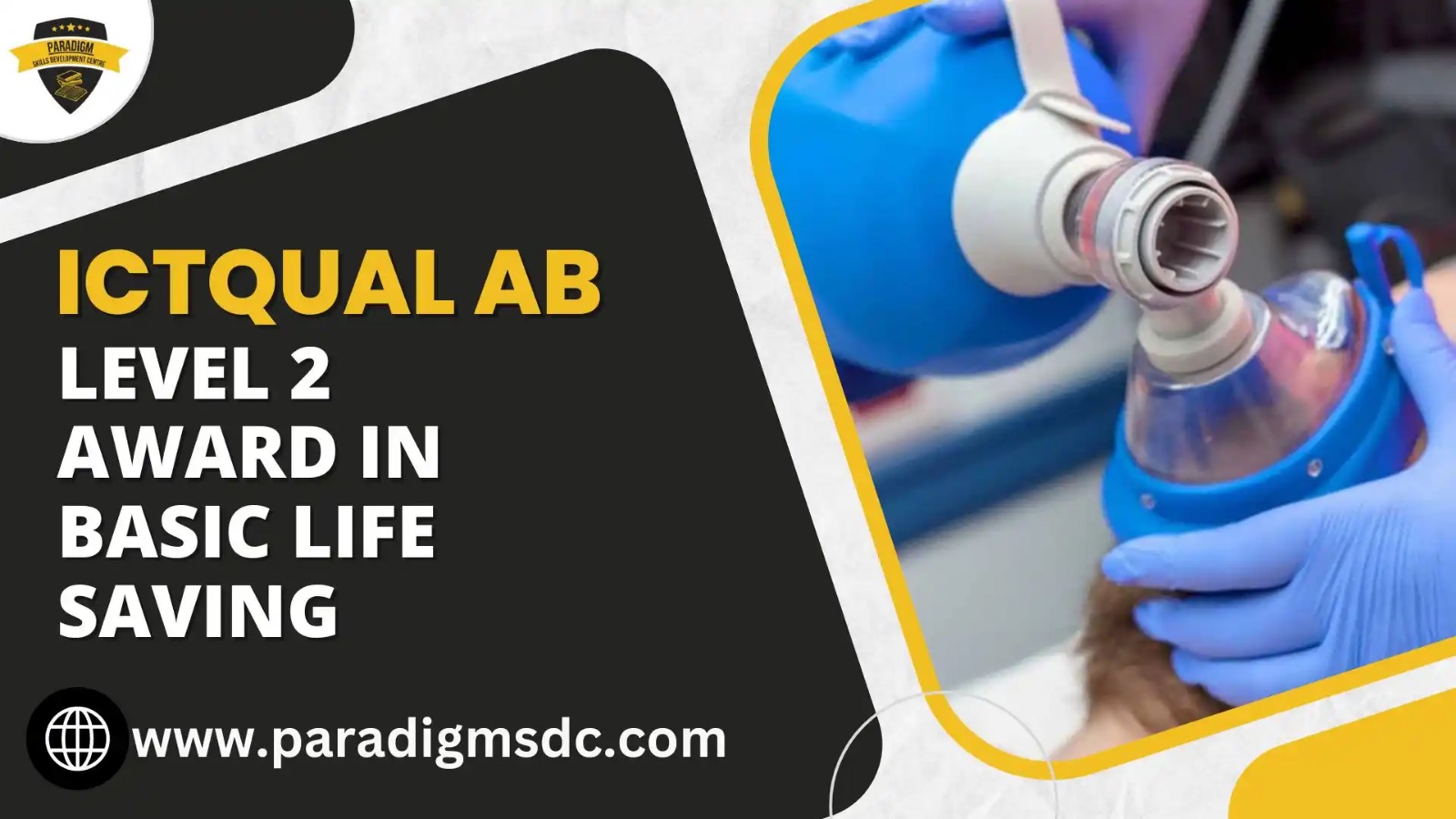
In emergency situations, the difference between life and death can often be determined by the immediate actions of those nearby. The ICTQual Level 2 Award in Basic Life Saving is designed to empower individuals with the essential skills and knowledge needed to respond effectively to life-threatening emergencies. This course is perfect for anyone who wants to be prepared to save lives, whether at work, home, or in the community.
Course Overview
The ICTQual Level 2 Award in Basic Life Saving provides a comprehensive introduction to life-saving techniques. This course covers fundamental skills such as cardiopulmonary resuscitation (CPR), the use of automated external defibrillators (AEDs), and basic first aid measures. Participants will gain both theoretical knowledge and practical experience, ensuring they can confidently respond in emergency situations.
Course Study Units
- Cardio-Pulmonary Resuscitation (CPR)
- First Aid Basics
- Injury Management
- Emergency Response Protocols
- Basic Life Saving Rules
Learning Outcomes
Upon completing this course, participants will be able to:
- Cardio-Pulmonary Resuscitation (CPR):
- Understand the importance of CPR in emergency situations and its role in sustaining life.
- Demonstrate proficiency in performing CPR on adults, children, and infants according to established guidelines.
- Apply correct techniques for chest compressions, rescue breaths, and the use of an automated external defibrillator (AED) when necessary.
- First Aid Basics:
- Recognize common medical emergencies and understand the appropriate first aid responses for each, including heart attacks, strokes, seizures, and choking.
- Apply first aid assessment techniques to identify and prioritize injuries or illnesses requiring immediate attention.
- Administer basic first aid interventions, such as wound care, bandaging, and stabilization of fractures or sprains, in accordance with established protocols.
- Injury Management:
- Assess and manage various types of injuries, including wounds, fractures, burns, and head injuries, to minimize further harm and promote recovery.
- Apply appropriate techniques for wound cleaning, dressing, and immobilization to prevent infection and reduce pain and discomfort.
- Provide emotional support and reassurance to injured individuals while awaiting professional medical assistance.
- Emergency Response Protocols:
- Understand the importance of effective emergency response protocols and procedures in ensuring timely and coordinated assistance.
- Demonstrate competency in assessing emergency scenes, identifying hazards, and initiating appropriate response actions.
- Communicate effectively with emergency services personnel, providing clear and concise information to facilitate rapid assistance and intervention.
- Basic Life Saving Rules:
- Recognize and apply fundamental principles of basic life-saving rules, including prioritizing personal safety, assessing risks, and taking prompt and decisive action.
- Adapt life-saving rules to various emergency scenarios, demonstrating situational awareness and critical thinking skills.
- Demonstrate the ability to remain calm and focused under pressure, effectively implementing life-saving measures to protect and preserve life.
Course Benefits
- Critical Skills: Gain essential life-saving skills that can be applied in various emergency situations.
- Confidence: Build the confidence to act decisively and effectively in critical moments.
- Practical Experience: Hands-on training ensures readiness to apply skills in real-life scenarios.
- Certification: Receive a recognized qualification that enhances your personal and professional profile.
- Community Impact: Contribute to a safer community by being prepared to save lives.
Who is this Course For?
This course is ideal for:
- Individuals seeking to acquire basic life-saving skills.
- Employees in workplaces where first aid skills are valuable.
- Parents and caregivers who want to ensure the safety of their loved ones.
- Community volunteers and members of local organizations.
- Anyone interested in enhancing their emergency preparedness.
Future Progression
Upon completing the ICTQual Level 2 Award in Basic Life Saving, participants can pursue further training and qualifications, such as:
- Advanced first aid courses and certifications.
- Specialized training in pediatric first aid, sports first aid, or wilderness first aid.
- Professional qualifications in healthcare or emergency response fields.
- Continuing education in health and safety management.
By enrolling in the ICTQual Level 2 Award in Basic Life Saving, you are taking a crucial step towards becoming a more prepared, confident, and capable individual. This course not only equips you with the skills to save lives but also empowers you to make a significant difference in your community. Be the hero who can respond when it matters most.