Course Introduction
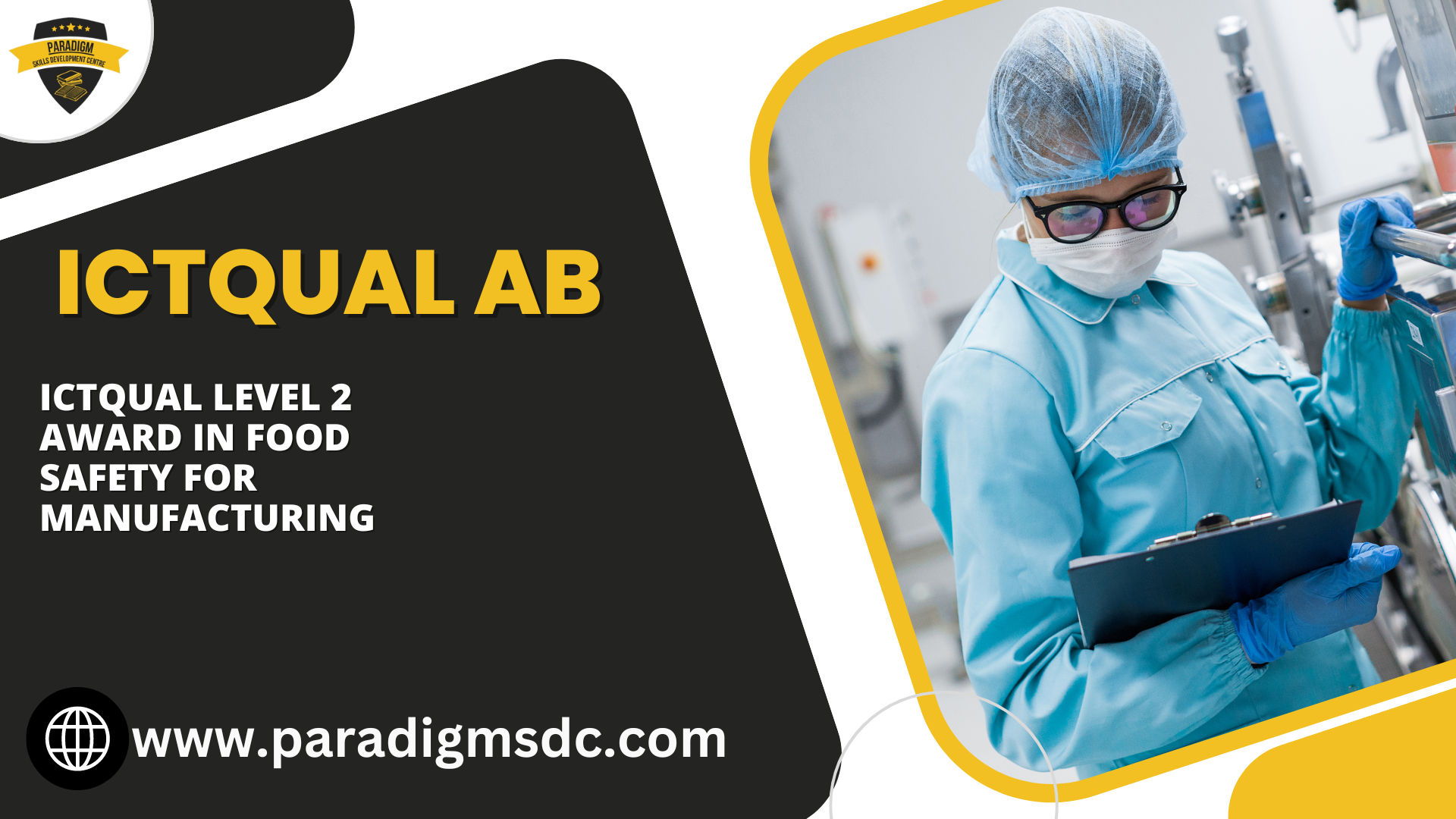
The ICTQual Level 2 Award in Food Safety for Manufacturing is an essential training program tailored for individuals working in the food manufacturing sector. This course provides comprehensive knowledge and practical skills to ensure high standards of food safety and hygiene throughout the manufacturing process. Understanding and implementing effective food safety practices are crucial to protect consumers, maintain product quality, and comply with legal requirements.
Course Overview
Food safety in manufacturing is critical to prevent contamination and ensure the production of safe, high-quality food products. This course covers both theoretical and practical aspects of food safety, focusing on the principles of food hygiene, risk assessment, and the implementation of effective safety measures. Through a combination of classroom instruction and practical activities, participants will gain a thorough understanding of how to maintain food safety in a manufacturing environment.
Course Study Units
- Introduction to Food Safety
- Microbiological Hazards
- Food Contamination
- Hazards from Food Handling
- HACCP (Hazard Analysis and Critical Control Points)
- Temperature Control
- Personal Hygiene
- Cleaning and Sanitation
- Food Safety Management Systems
- Legal Requirements and Compliance
- Allergen Management
- Emergency Procedures
Learning Outcomes
Upon completing this course, learners will be able to:
Introduction to Food Safety
- Understand the fundamental principles of food safety and its significance in the manufacturing industry.
- Recognize the importance of maintaining high standards of food safety to protect consumer health and ensure product quality.
- Identify key regulations, standards, and guidelines governing food safety in the manufacturing sector.
Microbiological Hazards
- Identify common microbiological hazards present in food manufacturing processes.
- Understand the characteristics and sources of bacteria, viruses, and parasites that pose a risk to food safety.
- Recognize the conditions that promote the growth and proliferation of microbiological hazards in food products.
Food Contamination
- Define the various types and sources of contamination that can occur during food manufacturing.
- Identify potential contamination points in the manufacturing process and develop strategies to prevent contamination.
- Implement control measures to minimize the risk of contamination and maintain product integrity.
Hazards from Food Handling
- Understand the importance of proper food handling techniques in preventing cross-contamination.
- Identify potential hazards associated with food handling practices and develop procedures to mitigate risks.
- Implement safe handling practices to ensure the hygiene and safety of food products throughout the manufacturing process.
HACCP (Hazard Analysis and Critical Control Points)
- Understand the principles and concepts of Hazard Analysis and Critical Control Points (HACCP) system.
- Identify critical control points (CCPs) in the manufacturing process where hazards can be controlled.
- Develop and implement HACCP plans to ensure the safety and quality of food products.
Temperature Control
- Recognize the significance of temperature control in preventing microbial growth and ensuring food safety.
- Understand temperature monitoring and control procedures for various stages of food production and storage.
- Implement measures to maintain proper temperature conditions to minimize the risk of foodborne illness.
Personal Hygiene
- Understand the importance of personal hygiene in preventing contamination and ensuring food safety.
- Implement good hygiene practices, including handwashing, proper attire, and behavior, in the manufacturing environment.
- Recognize the role of individual responsibility in maintaining hygiene standards and protecting food products from contamination.
Cleaning and Sanitation
- Understand the principles and importance of cleaning and sanitation in food manufacturing facilities.
- Identify cleaning agents, sanitizers, and equipment used in cleaning and sanitation processes.
- Develop and implement cleaning and sanitation procedures to maintain a hygienic and safe manufacturing environment.
Food Safety Management Systems
- Understand the purpose and benefits of food safety management systems (FSMS) in ensuring consistent food safety practices.
- Identify key components of FSMS, such as documentation, monitoring, and corrective actions.
- Implement and maintain FSMS to achieve compliance with regulatory requirements and industry standards.
Legal Requirements and Compliance
- Understand the legal requirements and regulations governing food safety in the manufacturing industry.
- Identify relevant laws, regulations, and industry standards related to food safety and hygiene.
- Ensure compliance with legal requirements to protect consumer health and maintain the integrity of food products.
Allergen Management
- Understand the risks associated with food allergens and their potential impact on consumer health.
- Identify common food allergens and sources of cross-contact in the manufacturing process.
- Implement allergen management procedures to prevent cross-contamination and ensure the safety of allergic consumers.
Emergency Procedures
- Understand the importance of emergency preparedness and response in ensuring food safety.
- Identify potential food safety emergencies, such as contamination incidents or product recalls.
- Develop and implement emergency procedures to respond effectively to food safety crises and protect consumer health.
Course Benefits
- Enhanced Food Safety: Equip learners with the skills and knowledge to maintain high standards of food safety in manufacturing, reducing the risk of contamination.
- Legal Compliance: Ensure compliance with food safety regulations and legal requirements specific to the manufacturing sector.
- Improved Product Quality: Promote the production of safe, high-quality food products by implementing effective food safety practices.
- Increased Efficiency: Implementing effective food safety practices can lead to more efficient operations and reduced waste in manufacturing settings.
Who is This Course For?
This course is ideal for:
- Food manufacturing workers and operators.
- Supervisors and managers in food manufacturing establishments.
- Quality assurance and control personnel in the food industry.
- Health and safety officers in manufacturing settings.
- Individuals seeking to enhance their employability in the food manufacturing sector.
- Anyone responsible for maintaining food safety standards in a manufacturing environment.
Future Progression
Upon completing the ICTQual Level 2 Award in Food Safety for Manufacturing, learners may consider advancing their knowledge and skills with further training opportunities, such as:
- ICTQual Level 3 Award in Supervising Food Safety in Manufacturing: Advanced training for those in supervisory roles to manage overall food safety.
- ICTQual Level 3 Award in Health and Safety in the Workplace: Comprehensive training to enhance overall workplace safety.
- ICTQual Level 4 Award in Managing Food Safety in Manufacturing: Extensive training for those seeking to take on higher-level roles in food safety management within manufacturing.
By completing this course, participants will be better prepared to ensure high standards of food safety and hygiene in their manufacturing establishments, promoting the production of safe, high-quality food products and fostering a safer environment for all.