Course Introduction
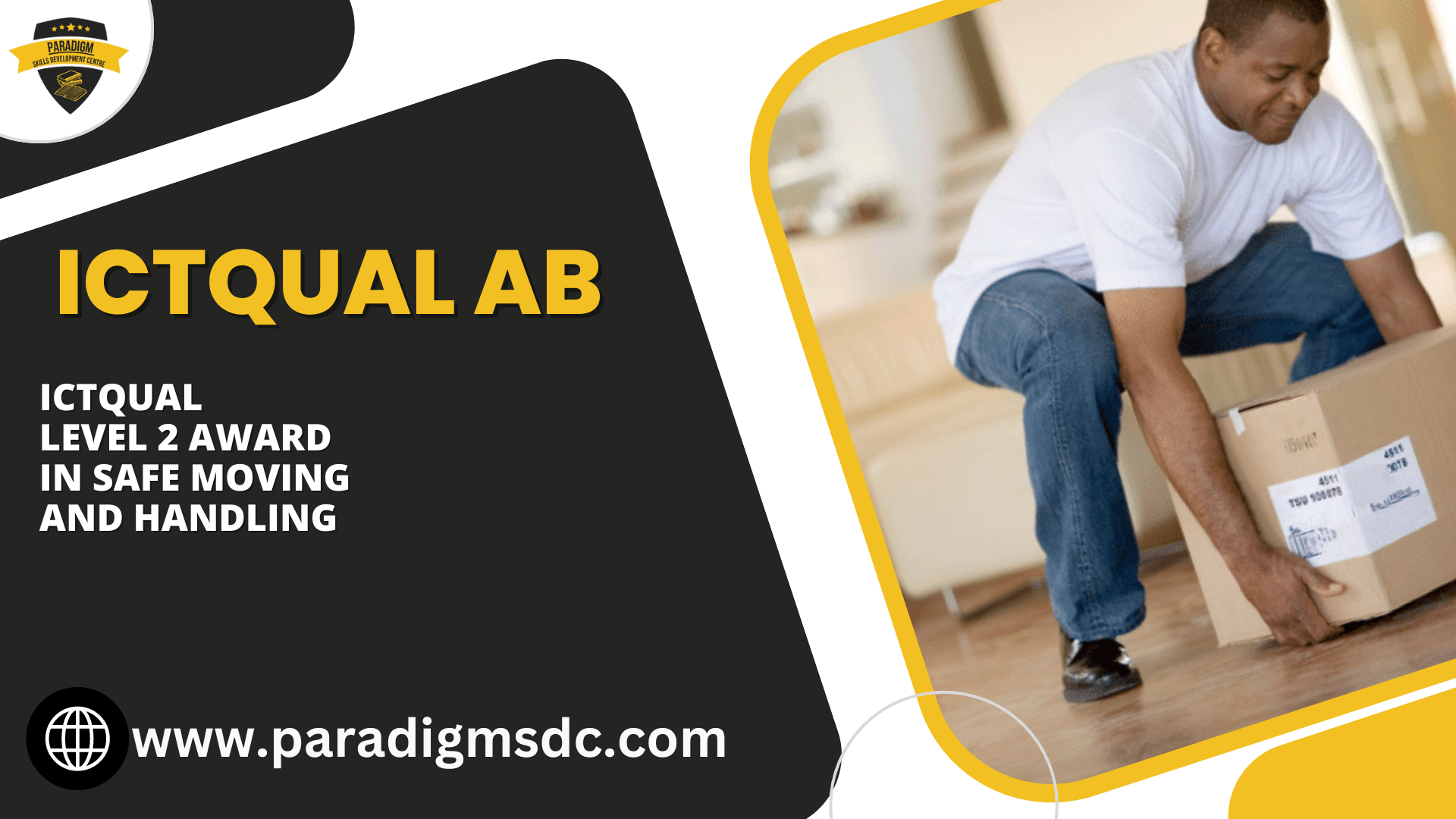
The ICTQual Level 2 Award in Safe Moving and Handling is designed to provide learners with essential knowledge and skills to move and handle objects safely and effectively. This course is crucial for individuals involved in roles that require frequent lifting, carrying, pushing, or pulling, helping them understand and implement safe practices to prevent injury and enhance workplace safety.
Course Overview
Safe moving and handling are vital components in many job roles across diverse industries. Improper techniques can lead to severe injuries, impacting both employee well-being and organizational productivity. This course covers both theoretical knowledge and practical skills, focusing on the principles of safe moving and handling, risk assessment, and the application of safe techniques. Through a blend of classroom instruction and practical sessions, participants will gain a comprehensive understanding of safe moving and handling practices.
Course Study Units
- Introduction to Manual Handling
- Legislation and Regulations
- Risk Assessment
- Body Mechanics and Ergonomics
- Safe Handling Techniques
- Team Handling and Communication
- Injury Prevention and First Aid
- Monitoring and Review
- Documentation and Reporting
Learning Outcomes
Upon completing this course, learners will be able to:
Introduction to Manual Handling
- Understanding Manual Handling: Gain knowledge of the definition, scope, and types of manual handling tasks commonly encountered in the workplace.
- Awareness of Risks: Identify potential risks and hazards associated with manual handling activities, including musculoskeletal injuries and ergonomic issues.
- Importance of Safety: Appreciate the significance of adopting safe manual handling practices to protect personal health and well-being.
Legislation and Regulations
- Legal Framework: Familiarize with relevant health and safety legislation, regulations, and guidelines governing manual handling practices in the workplace.
- Responsibilities: Understand the legal responsibilities of employers and employees regarding manual handling, including duties to assess and mitigate risks.
- Compliance Awareness: Recognize the importance of compliance with regulatory requirements to ensure a safe working environment and prevent legal liabilities.
Risk Assessment
- Identifying Hazards: Learn how to identify potential hazards and risks associated with manual handling tasks through systematic assessment.
- Risk Analysis: Develop skills in analyzing and evaluating the level of risk posed by various manual handling activities based on factors such as load characteristics, environment, and individual capabilities.
- Control Measures: Explore strategies for implementing control measures to minimize or eliminate identified risks and ensure safe working practices.
Body Mechanics and Ergonomics
- Proper Posture: Understand the principles of proper body mechanics and posture to maintain musculoskeletal health and prevent injuries during manual handling tasks.
- Ergonomic Principles: Learn about ergonomic design principles and how they can be applied to optimize workspaces, equipment, and tools for safe and efficient manual handling.
- Practical Techniques: Acquire practical techniques for lifting, carrying, pushing, and pulling objects while minimizing strain on muscles and joints.
Safe Handling Techniques
- Correct Lifting Techniques: Master safe lifting techniques, including proper use of body mechanics, hand placement, and weight distribution to reduce the risk of injury.
- Handling Aids: Understand the purpose and proper use of handling aids and equipment, such as trolleys, hoists, and lifting straps, to facilitate safe manual handling.
- Load Management: Learn how to assess and manage loads effectively to ensure they are within safe weight limits and properly secured during handling operations.
Team Handling and Communication
- Effective Communication: Develop communication skills for coordinating manual handling tasks within a team, including clear instructions, feedback, and mutual support.
- Collaborative Approach: Understand the importance of teamwork and cooperation in ensuring safe and efficient manual handling practices, including sharing responsibilities and assisting colleagues when needed.
- Conflict Resolution: Learn strategies for resolving conflicts and addressing differences in opinions or approaches to manual handling within a team environment.
Injury Prevention and First Aid
- Risk Awareness: Increase awareness of common injuries and health issues associated with manual handling, including musculoskeletal strains, sprains, and fractures.
- Preventive Measures: Explore preventive measures and best practices for minimizing the risk of manual handling injuries through proper technique, equipment usage, and workplace design.
- Basic First Aid: Acquire basic first aid knowledge and skills for providing immediate assistance in the event of manual handling-related injuries, including proper techniques for administering first aid and summoning professional medical help when needed.
Monitoring and Review
- Continuous Improvement: Understand the importance of ongoing monitoring and review of manual handling practices to identify areas for improvement and ensure compliance with safety standards.
- Performance Evaluation: Learn how to assess the effectiveness of existing manual handling procedures and control measures through regular audits, inspections, and feedback mechanisms.
- Adaptation and Adjustment: Develop skills in adapting and adjusting manual handling practices based on feedback, incident reports, and changes in workplace conditions or requirements.
Documentation and Reporting
- Record Keeping: Understand the importance of accurate documentation of manual handling activities, risk assessments, training records, and incident reports for regulatory compliance and accountability.
- Reporting Procedures: Learn how to follow proper procedures for reporting manual handling incidents, near misses, and health and safety concerns to relevant authorities or designated personnel.
- Analysis and Feedback: Explore methods for analyzing documentation and reporting data to identify trends, patterns, and areas for improvement in manual handling practices and safety protocols.
Course Benefits
- Enhanced Safety: Equip learners with the skills and knowledge to perform moving and handling tasks safely, reducing the risk of workplace injuries.
- Legal Compliance: Ensure compliance with legal requirements related to safe moving and handling.
- Increased Productivity: Safe handling practices can lead to fewer injuries, resulting in less downtime and improved productivity.
- Employee Well-being: Promote a healthier work environment by preventing musculoskeletal disorders and other related injuries.
Who is This Course For?
This course is ideal for:
- Employees in roles that involve frequent moving and handling tasks.
- Supervisors and managers responsible for overseeing moving and handling operations.
- Health and safety officers seeking to enhance their expertise.
- Individuals looking to improve their employability in industries requiring safe moving and handling skills.
Future Progression
Upon completing the ICTQual Level 2 Award in Safe Moving and Handling, learners may consider advancing their knowledge and skills with further training opportunities, such as:
- ICTQual Level 3 Award in Safe Moving and Handling: A deeper exploration of advanced moving and handling techniques and risk management.
- ICTQual Level 2 Award in Health and Safety in the Workplace: Broader health and safety training to enhance overall workplace safety.
- ICTQual Level 3 Diploma in Health Safety and Environment: Comprehensive training in health, safety, and environmental management for those aiming for higher-level roles in this field.
By completing this course, participants will be better equipped to handle moving and handling tasks safely, ensuring a safer and more efficient workplace environment.