Course Introduction
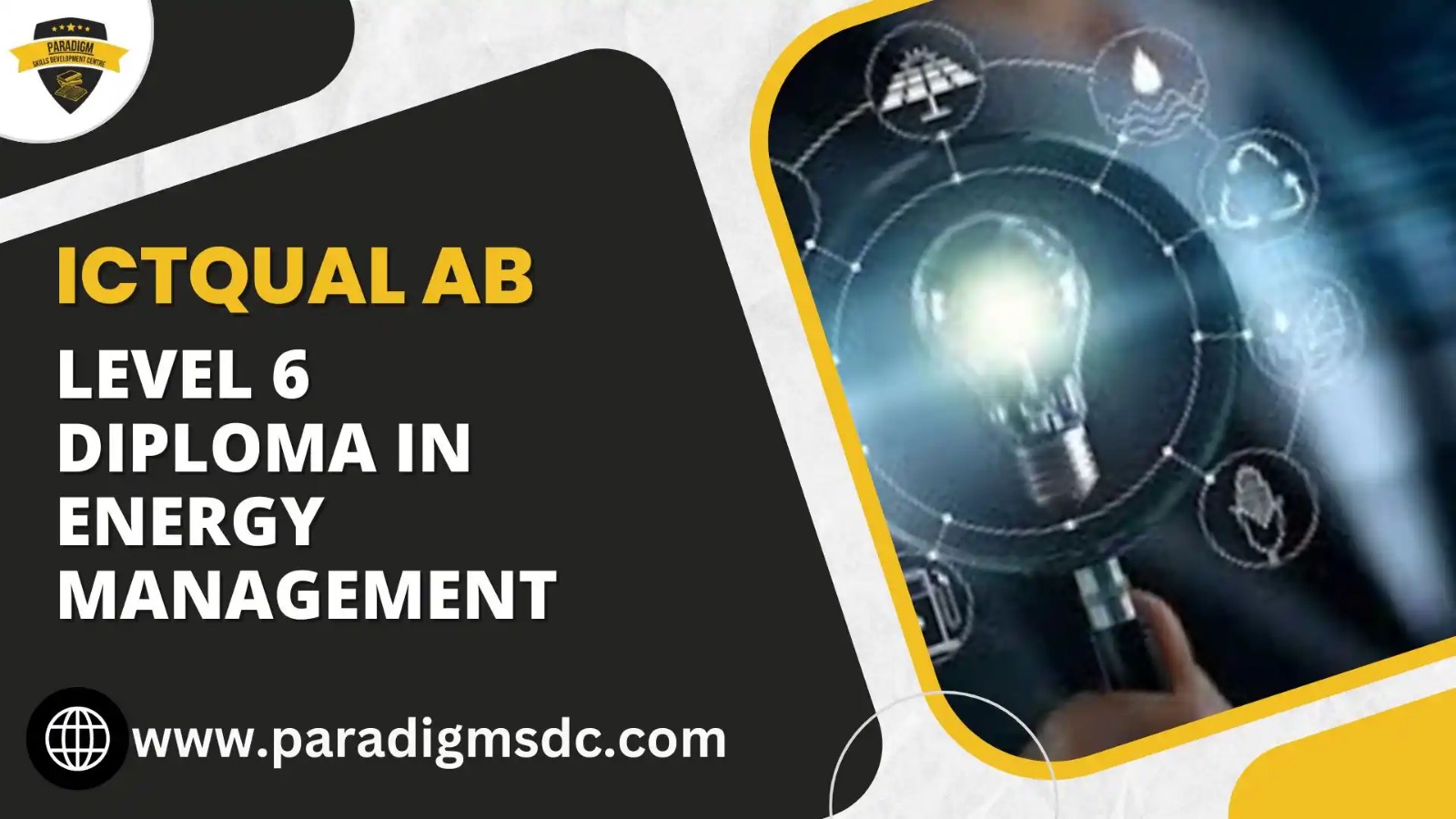
The ICTQual Level 6 Diploma in Energy Management is a prestigious qualification designed for professionals aiming to advance their careers in the field of energy management. This diploma equips individuals with the necessary knowledge and skills to effectively manage energy resources, implement sustainable practices, and drive energy efficiency within organizations.
Course Overview
The ICTQual Level 6 Diploma in Energy Management offers a comprehensive exploration of energy management principles, strategies, and technologies. Participants delve into advanced topics such as renewable energy integration, energy policy development, financial analysis of energy projects, and strategic planning for energy sustainability. The course emphasizes practical applications and industry best practices to address the global challenges of energy conservation and environmental stewardship.
Course Study Units
- Introduction to energy management
- Technical and Operational
- Behavioural Change and Motivation
- Waste Management
- Procurement
- Energy Assessments, Measurements and Verification
- Regulatory & Legal Compliance and Carbon Management
- Strategy/Plan in energy management
Learning Outcomes
Upon completion of the course, participants will:
Introduction to Energy Management:
- Understand the fundamental concepts and principles of energy management.
- Identify the significance of energy conservation and efficiency in various industries and sectors.
- Learn about different types of energy sources and their environmental impacts.
- Recognize the role of energy management in achieving sustainability goals within organizations.
Technical and Operational:
- Gain knowledge of energy systems, equipment, and technologies used in industry.
- Learn how to optimize energy performance through technical upgrades and operational improvements.
- Understand energy consumption patterns and identify opportunities for efficiency enhancements.
- Develop skills in implementing energy-saving measures and monitoring energy usage.
Behavioural Change and Motivation:
- Understand the psychological factors influencing energy consumption behaviors.
- Learn strategies for promoting energy-saving behaviors and motivating stakeholders.
- Explore techniques for fostering a culture of energy efficiency within organizations.
- Develop communication and engagement skills to encourage participation in energy conservation initiatives.
Waste Management:
- Learn about waste generation, handling, and disposal practices.
- Understand the environmental and economic impacts of waste production.
- Explore methods for reducing waste generation and improving waste management processes.
- Develop strategies for implementing waste reduction and recycling programs.
Procurement:
- Understand the role of procurement in energy management and sustainability.
- Learn about sustainable procurement practices and criteria for selecting energy-efficient products and services.
- Explore strategies for incorporating energy considerations into procurement decisions.
- Develop skills in evaluating suppliers and negotiating contracts to optimize energy performance.
Energy Assessments, Measurements, and Verification:
- Acquire proficiency in conducting energy audits and assessments to identify energy-saving opportunities.
- Learn methods for accurate measurement and verification of energy performance improvements.
- Understand the importance of data analysis and interpretation in evaluating energy usage.
- Develop skills in compiling energy reports and verifying energy-saving claims.
Regulatory & Legal Compliance and Carbon Management:
- Understand the regulatory framework governing energy management and environmental compliance.
- Learn about carbon management strategies and emissions reduction techniques.
- Gain knowledge of relevant environmental laws, regulations, and reporting requirements.
- Develop strategies for ensuring compliance with energy and carbon regulations.
Strategy/Plan in Energy Management:
- Develop comprehensive energy management strategies and plans tailored to organizational needs and objectives.
- Learn how to set achievable goals and targets for energy efficiency and sustainability.
- Understand the importance of stakeholder engagement and collaboration in energy management planning.
- Develop skills in resource allocation, budgeting, and project management for energy initiatives.
Course Benefits
- Expertise: Acquire specialized knowledge and skills in advanced energy management practices.
- Career Advancement: Enhance career prospects in energy consulting, sustainability management, and policy development.
- Industry Recognition: Gain a prestigious qualification recognized internationally.
- Practical Application: Apply theoretical knowledge to real-world energy challenges and opportunities.
- Networking: Connect with industry leaders and professionals in energy management and sustainability.
Who is this Course For?
This course is ideal for:
- Energy managers, consultants, and analysts seeking to deepen their expertise in energy management.
- Sustainability professionals focusing on renewable energy integration and energy efficiency.
- Engineers and technical professionals involved in energy policy development and regulatory compliance.
- Government officials and policymakers in energy and environmental sectors.
- Professionals aspiring to lead sustainable energy initiatives and drive organizational change.
Future Progression
Upon completing the ICTQual Level 6 Diploma in Energy Management, participants can pursue various career and educational pathways, including:
- Leadership roles in energy management and sustainability departments within organizations.
- Advanced studies in environmental management, renewable energy technologies, or sustainable development.
- Consulting opportunities in energy policy, regulatory compliance, and strategic energy planning.
- Participation in research and innovation initiatives addressing global energy challenges.
Investing in the ICTQual Level 6 Diploma in Energy Management signifies a commitment to excellence in energy stewardship and sustainable development. Graduates emerge equipped to navigate the complexities of global energy landscapes, driving positive environmental impacts and contributing to a more sustainable future.