Course Introduction
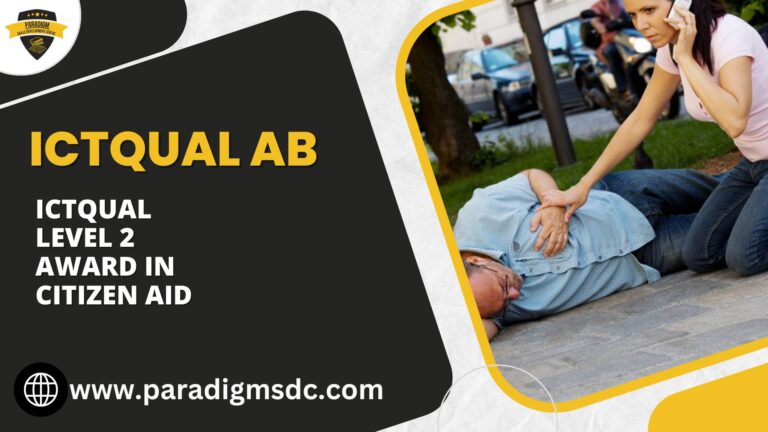
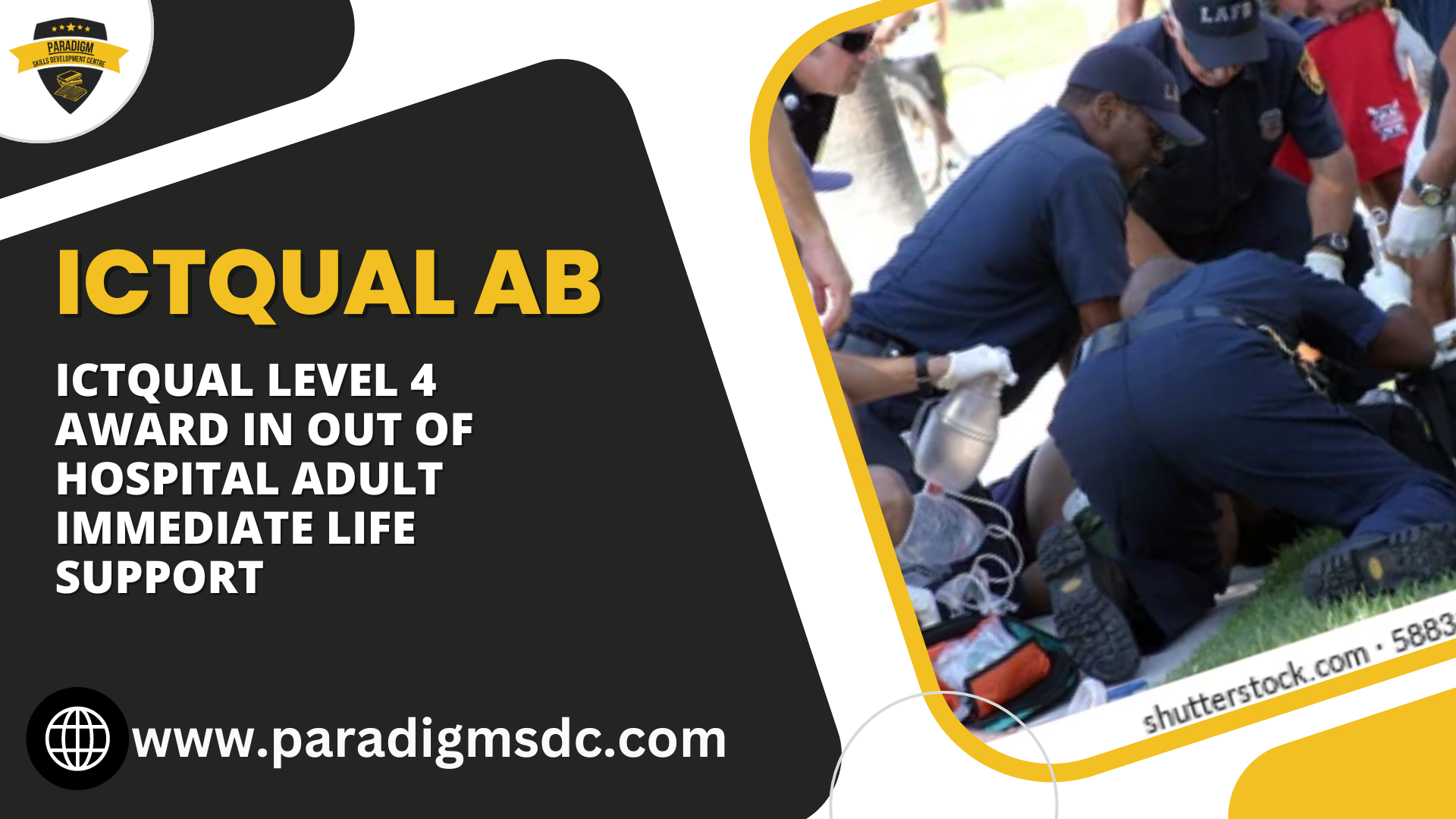
The ICTQual Level 4 Award in Out of Hospital Adult Immediate Life Support is designed to provide advanced life support skills to professionals who may encounter medical emergencies outside of hospital settings. This course equips learners with the knowledge and skills necessary to manage critical situations effectively until professional medical help arrives. The focus is on delivering high-quality, evidence-based immediate life support in various emergency scenarios.
Course Overview
The ICTQual Level 4 Award in Out of Hospital Adult Immediate Life Support covers a range of essential topics to prepare participants for real-life emergency situations. This course is ideal for individuals seeking to enhance their life support capabilities and ensure they can provide critical care in high-pressure situations. It is particularly relevant for those working in roles where immediate life support is crucial, including emergency responders, healthcare professionals, and those in high-risk environments.
Course Study Units
- Introduction to Immediate Life Support (ILS)
- Assessment and Triage
- Basic Life Support (BLS) Techniques
- Medical Emergencies
- Trauma Care
- Special Situations
- Teamwork and Communication
Learning Outcomes
By the end of this course, participants will:
Introduction to Immediate Life Support (ILS)
- Understanding the Concept: Participants will grasp the fundamental concept of immediate life support (ILS) and its significance in out-of-hospital emergency care.
- Roles and Responsibilities: Learners will comprehend the roles and responsibilities of immediate responders in emergencies.
- Emergency Response Principles: Participants will learn the basic principles of emergency response, including scene safety, patient assessment, and initiation of appropriate interventions.
- Legal and Ethical Considerations: Understanding of legal and ethical considerations related to immediate life support, including consent, confidentiality, and duty of care.
Assessment and Triage
- Patient Assessment Skills: Participants will develop the ability to perform systematic patient assessments, including primary and secondary surveys, to identify life-threatening conditions.
- Triage Principles: Understanding of triage principles and the ability to prioritize patient care based on the severity of injuries or illnesses.
- Recognition of Critical Conditions: Learners will recognize signs and symptoms of critical conditions requiring immediate intervention and escalate care as necessary.
- Effective Communication: Development of effective communication skills to convey patient information and coordinate care with other responders and medical personnel.
Basic Life Support (BLS) Techniques
- Cardiopulmonary Resuscitation (CPR): Proficiency in performing high-quality CPR according to current guidelines, including chest compressions, rescue breaths, and the use of automated external defibrillators (AEDs).
- Airway Management: Competence in establishing and maintaining an open airway using various techniques, such as head-tilt chin-lift maneuver and jaw thrust maneuver.
- Use of AEDs: Ability to recognize cardiac arrest rhythms, operate AEDs safely and effectively, and deliver appropriate defibrillation shocks.
- Recognition of Respiratory Emergencies: Identifying and managing respiratory emergencies, including airway obstruction, respiratory distress, and respiratory arrest.
Medical Emergencies
- Recognition of Medical Emergencies: Participants will recognize common medical emergencies, such as cardiac arrest, stroke, myocardial infarction, allergic reactions, and diabetic emergencies.
- Intervention Skills: Development of skills to initiate appropriate interventions for medical emergencies, including oxygen administration, medication administration (where applicable), and symptom management.
- Ongoing Patient Care: Understanding the importance of ongoing patient monitoring and reassessment, as well as the ability to adapt interventions based on patient response and changing clinical conditions.
- Coordination with Advanced Care Providers: Ability to communicate effectively with advanced care providers and facilitate seamless transition of care for patients requiring higher levels of medical intervention.
Trauma Care
- Recognition of Traumatic Injuries: Participants will recognize and assess traumatic injuries commonly encountered in out-of-hospital settings, such as fractures, head injuries, and burns.
- Hemorrhage Control: Competence in controlling external bleeding using direct pressure, pressure dressings, and tourniquets.
- Immobilization Techniques: Proficiency in immobilizing suspected spinal injuries and fractures using appropriate techniques and equipment.
- Safe Patient Extrication: Ability to safely extricate patients from hazardous environments while minimizing the risk of further injury.
Special Situations
- Pediatric Emergencies: Understanding of unique considerations in pediatric emergencies, including assessment, treatment, and communication with pediatric patients and their caregivers.
- Geriatric Patients: Recognition of age-related changes and common medical conditions in geriatric patients, as well as strategies for providing age-appropriate care.
- Pregnant Women: Understanding of physiological changes during pregnancy and management of obstetric emergencies, including childbirth and complications.
- Patients with Disabilities: Competence in communicating with and providing care to patients with physical or cognitive disabilities, ensuring accessibility and accommodation of individual needs.
Teamwork and Communication
- Team Dynamics: Understanding of team roles and dynamics in emergencies, including leadership, followership, and teamwork strategies.
- Clear Communication: Development of clear and concise communication skills to relay patient information, delegate tasks, and coordinate actions effectively within a multidisciplinary team.
- Collaborative Decision-Making: Ability to collaborate with other responders and healthcare providers to make informed decisions and optimize patient outcomes.
- Debriefing and Feedback: Recognition of the importance of post-event debriefing and feedback sessions to identify areas for improvement and promote continuous learning and improvement.
Course Benefits
- Enhanced Skills: Gain advanced skills in life support and emergency management, improving confidence in handling critical situations.
- Professional Development: Boost your qualifications and credibility in emergency response roles.
- Improved Patient Outcomes: Learn techniques that can significantly improve patient survival rates and outcomes in emergencies.
- Real-World Application: Practical training that prepares you for real-life scenarios and ensures effective response in out-of-hospital settings.
Who is this Course For?
The ICTQual Level 4 Award in Out of Hospital Adult Immediate Life Support is ideal for:
- Emergency Responders: Individuals working in emergency services, including paramedics and first responders.
- Healthcare Professionals: Those in roles that require advanced life support skills, such as nurses and doctors.
- Occupational Health and Safety Professionals: Professionals in high-risk environments where immediate life support may be required.
- Corporate Safety Officers: Those responsible for ensuring workplace safety and emergency preparedness.
Future Progression
Upon completing the ICTQual Level 4 Award in Out of Hospital Adult Immediate Life Support, participants can advance their careers by:
- Pursuing Higher-Level Qualifications: Progress to more advanced courses in life support, such as the ICTQual Level 5 Diploma in Advanced Life Support.
- Specializing in Emergency Medicine: Explore specialized roles in emergency medicine and advanced emergency care.
- Career Development: Enhance career opportunities in emergency response, healthcare, and safety management.
This award not only enhances your skills and knowledge in immediate life support but also opens doors to further professional development and specialized training.